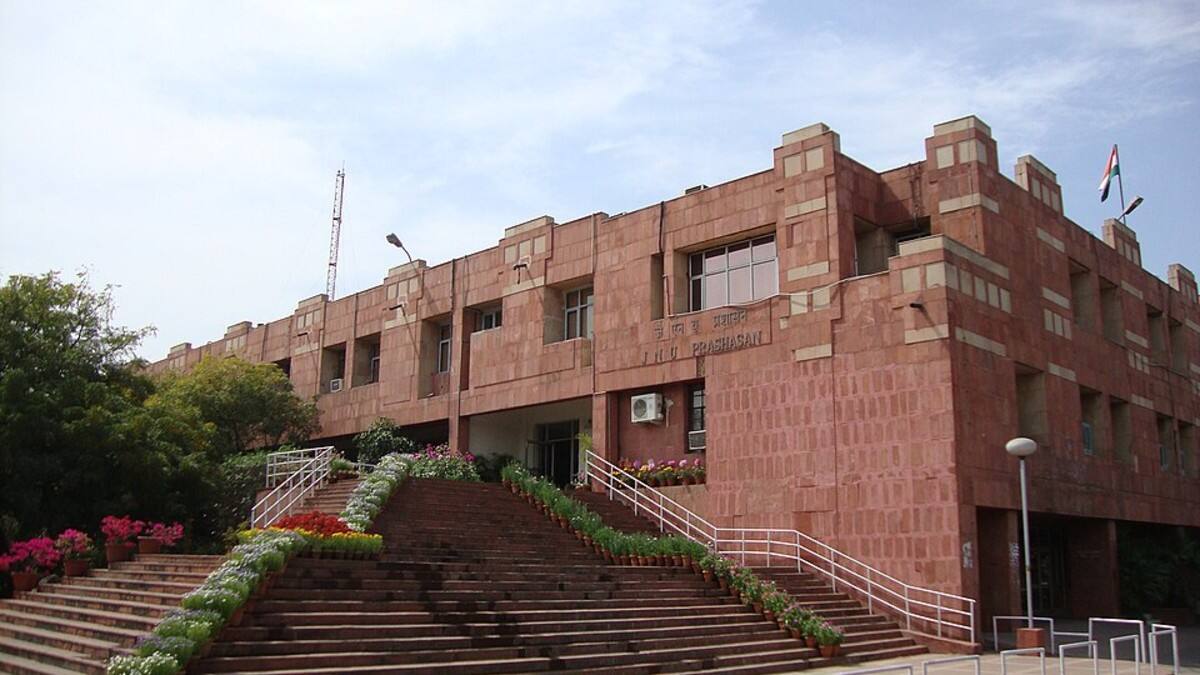
The Vice-Chancellor of Jawaharlal Nehru University (JNU), Santishree Dhulipudi Pandit, acknowledged the ongoing hunger strike by students for the first time during her visit to the protest site. However, she refused to speak with the rusticated students who are part of the protest. This event has intensified the ongoing conflict between the university administration and the students' union.
- The Vice-Chancellor visited the hunger strike site but declined to engage with rusticated students.
- The JNU Students' Union (JNUSU) claims the administration has not made concrete efforts to negotiate.
- The administration expressed interest in negotiations but has delayed finalizing meetings.
- JNUSU insists on mature and comprehensive talks and vows to continue the protest until demands are met.
What happened during the Vice-Chancellor's visit to the hunger strike site?
Vice-Chancellor Santishree Dhulipudi Pandit visited the hunger strike site in the morning and acknowledged the strike for the first time. She expressed concern about the health of the hunger strikers and told them that their demands had been fulfilled, urging them to end the strike. However, when JNUSU president Aditi Mishra approached to speak with her, the Vice-Chancellor refused and left in her car, stating she would not speak to rusticated students.
Why is the JNU Students' Union critical of the administration?
The JNUSU criticized the university administration for making public statements that appear to show concern but failing to take meaningful steps toward negotiation. They allege that the administration's communication about initiating negotiations has not led to any concrete meeting or resolution. The union believes these actions are tactics to delay the protest's resolution.
What are the demands of the protesting students?
The protesting students, led by the JNUSU, demand the revocation of rustication orders against JNUSU office bearers. They are also seeking comprehensive negotiations with the administration to address their grievances. The hunger strike is part of a larger ongoing protest to have their demands met.
What is the current status of negotiations between students and administration?
The administration communicated interest in starting another round of negotiations at 11 am on Friday, but the JNUSU reports that no concrete steps have been taken to finalize the meeting. The union remains open to mature and sincere negotiations but accuses the administration of delaying the process.
How is the JNUSU responding to the Vice-Chancellor's actions?
The JNUSU has called on students to support the protest and expose what they describe as the administration's delaying tactics. They have reaffirmed their commitment to continue the hunger strike and other forms of agitation until all demands are fully addressed.
Frequently Asked Questions
Q: What is the reason behind the hunger strike at JNU?
A: The hunger strike is part of a protest by students demanding the revocation of rustication orders against JNUSU office bearers and seeking comprehensive negotiations with the university administration.
Q: Did the Vice-Chancellor meet with the protesting students?
A: The Vice-Chancellor visited the hunger strike site and acknowledged the strike but refused to speak with the rusticated students involved in the protest.
Q: Has the university administration agreed to negotiate with the students?
A: The administration expressed interest in negotiations but has not yet finalized any meetings, leading to accusations from the students' union of delaying tactics.
Q: What is the stance of the JNU Students' Union on the protest?
A: The JNUSU is open to mature and sincere negotiations but insists on continuing the protest until all demands are met.