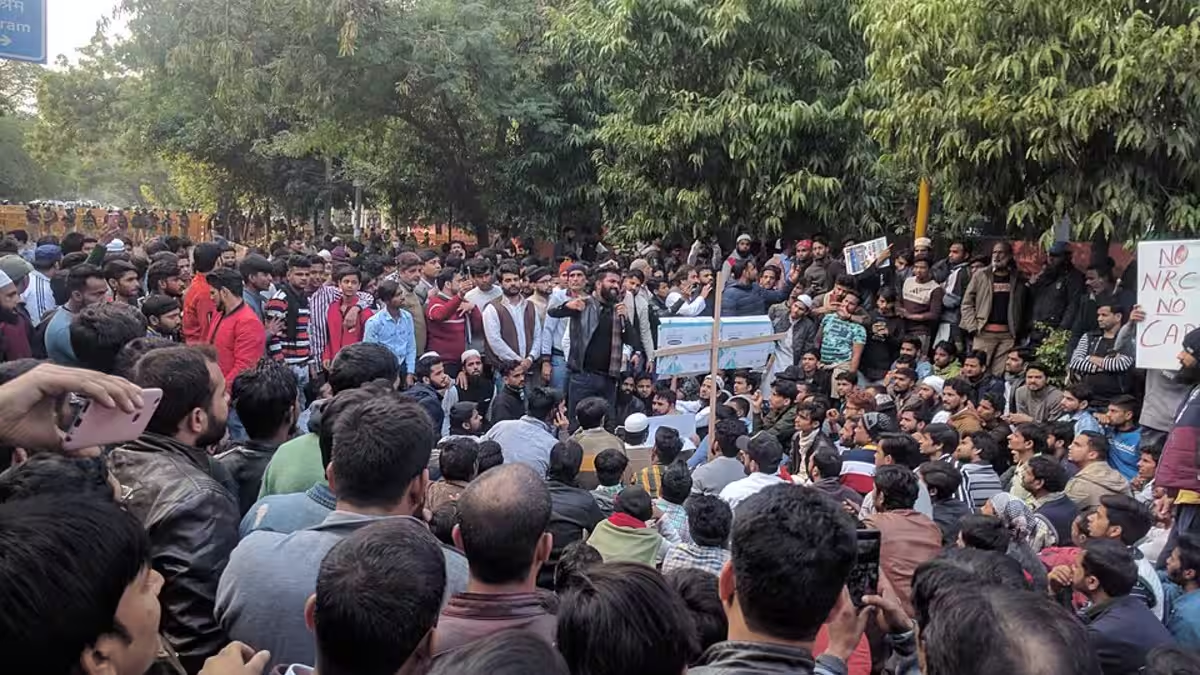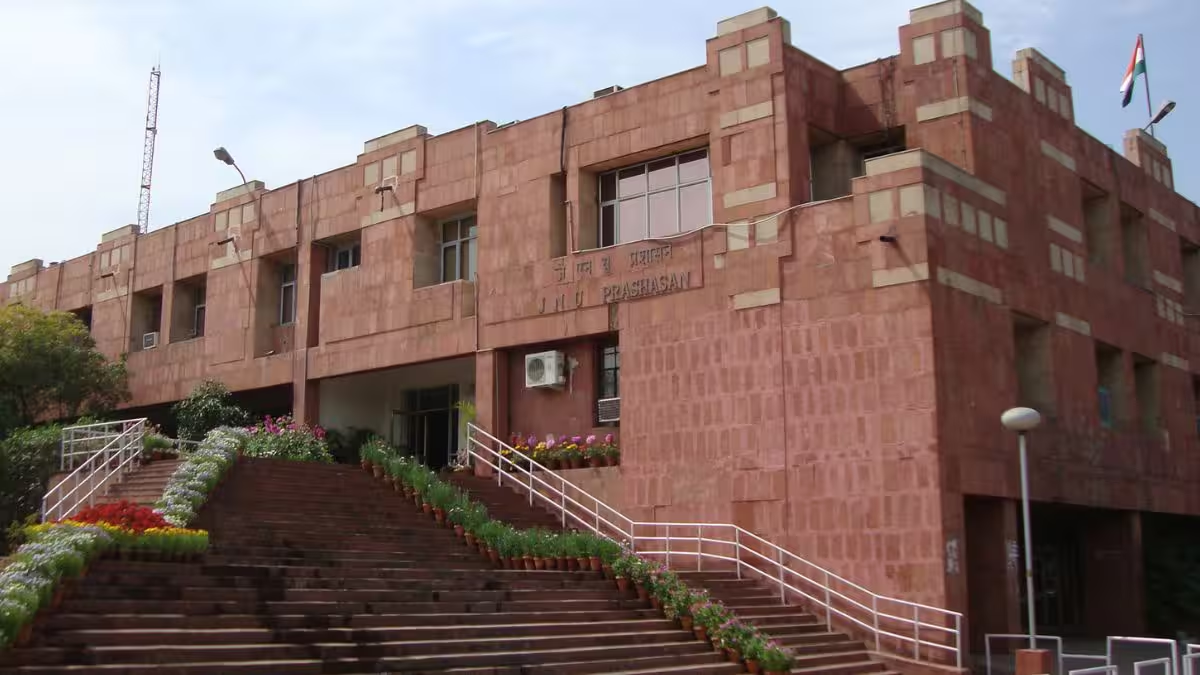
Jawaharlal Nehru University (JNU) Vice-Chancellor Santishree D Pandit has explained how the university administration is managing the ongoing hunger strike by students, including providing medical care and holding discussions to address their concerns. The hunger strike, led by the Jawaharlal Nehru University Students’ Union (JNUSU), has entered its 16th day, with students demanding redressal of various grievances.
- JNU held two rounds of talks with protesting students.
- Students on hunger strike receive medical check-ups twice daily.
- Some protesting students have been rusticated but still receive humanitarian care.
- Students demand rollback of the chief proctorial officer manual and reinstatement of key committees.
- Property damage worth Rs. 20 lakhs occurred during protests.
What discussions has JNU held with the hunger-striking students?
The JNU administration organized two main meetings with the protesting students. The first meeting took place on October 9 and lasted more than four hours. During this meeting, two groups of students who were on hunger strike engaged separately with a committee led by Vivek Kumar, the dean of the School of Social Sciences. Following assurances from the committee, these two groups ended their protests.
The second meeting occurred on October 14 and lasted several hours. The students decided to continue discussions at a later date. Additionally, on October 16, university officials visited the students at the protest site early in the morning and noted that no one was sleeping there at that time.
How is JNU providing medical care to students on hunger strike?
From the first day of the hunger strike, JNU has been providing medical care to the students, including those who have been rusticated. Medical staff conduct check-ups twice daily to monitor the health of the students. The Chief Medical Officer (CMO) also meets the students daily to assess their vital signs and overall condition. This care is offered on humanitarian grounds following medical protocols.
What are the students’ main demands during the protest?
The students have presented 13 demands to the university administration. Among these are the rollback of the chief proctorial officer (CPO) manual, revocation of rustication orders against JNUSU office-bearers, reinstatement of the Gender Sensitisation Committee Against Sexual Harassment (GSCASH), and restoration of the Jawaharlal Nehru University Entrance Examination (JNUEE).
How has the university responded to property damage during protests?
The Vice-Chancellor stated that the administration has maintained a democratic and humanitarian approach throughout the protests. Despite public property worth Rs. 20 lakhs being damaged, the university has not taken extreme action against the rusticated students involved. The damaged property was funded by the Government of India and Indian taxpayers. The students have also violated certain restrictions and bail conditions, yet the administration has allowed them to remain on campus and participate in political protests.
What external interventions have occurred regarding the hunger strike?
Rajya Sabha member John Brittas has written to President Droupadi Murmu seeking her intervention in the indefinite hunger strike by JNUSU representatives. This highlights the growing attention the protest has received beyond the university.