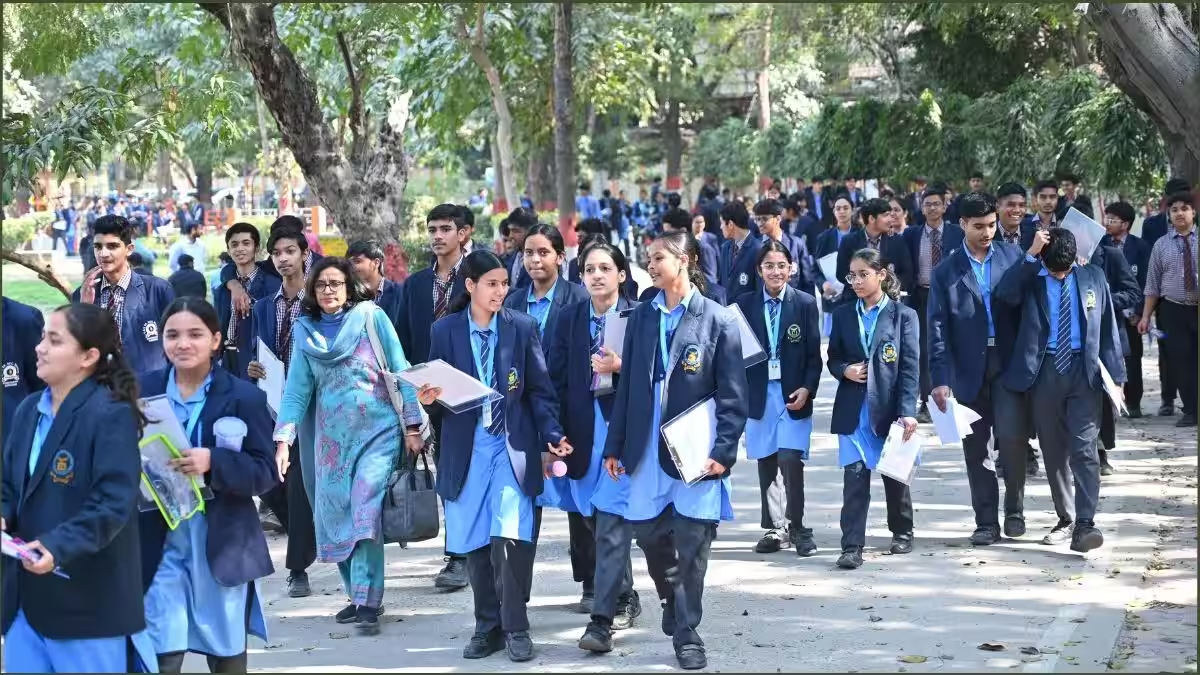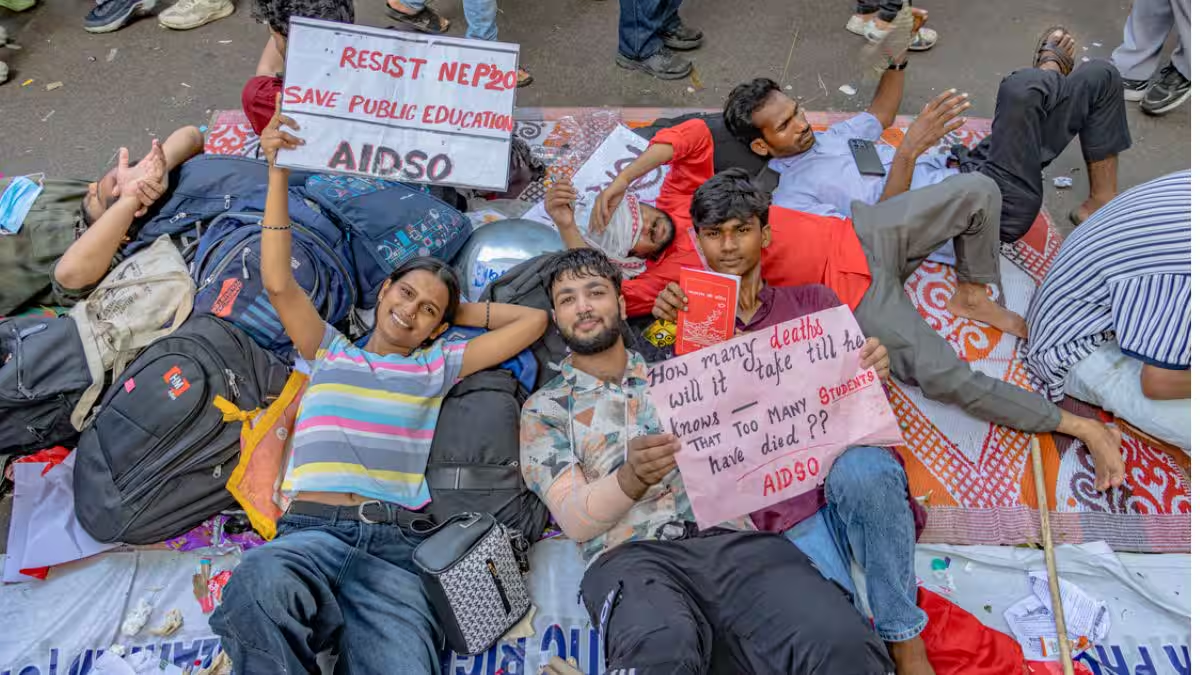
On a Tuesday evening in Ranchi, students affiliated with the JPSC-JSSC Reforms Manch organized a silent procession from Jaipal Singh Stadium to Albert Ekka Chowk. This protest was part of a larger movement against alleged irregularities in recruitment examinations conducted by the Jharkhand Public Service Commission (JPSC) and the Jharkhand Staff Selection Commission (JSSC). The agitation has been ongoing since July 25, marking its 18th consecutive day.
Why Students Are Protesting
The students and job aspirants are demanding greater transparency in the recruitment process. They have raised concerns about the fairness and integrity of the exams conducted by JPSC and JSSC. Their demands include comprehensive reforms in how these commissions operate, cancellation of several examinations suspected of irregularities, and an independent investigation into the matter. The protesters have called for the probe to be conducted either by the Central Bureau of Investigation (CBI) or by a panel of retired high court judges from outside Jharkhand to ensure impartiality.
Key Facts About the Protest
- The protest began on July 25 and has continued daily, reflecting the deep frustration among students.
- The silent procession on Tuesday was a peaceful demonstration aimed at drawing attention to their cause.
- Six demonstrators have escalated their protest by undertaking an indefinite hunger strike; two of them have been hospitalized due to health complications.
- Despite six rounds of talks between the Jharkhand government and the protest leaders, no resolution has been reached. The latest talks ended without agreement, with both sides blaming each other for the deadlock.
What the Protest Reveals About Recruitment Challenges
This ongoing protest highlights significant concerns about recruitment transparency in Jharkhand’s public service sector. The students’ insistence on an independent investigation points to a lack of trust in existing mechanisms. The hunger strikes and prolonged demonstrations underscore the urgency and seriousness of their demands. The government’s inability to resolve the issue after multiple discussions suggests systemic challenges in addressing public grievances related to recruitment processes.
These events also reflect broader issues faced by job seekers in India, where competitive exams are crucial gateways to government employment but are often marred by allegations of corruption or mismanagement. The protest in Jharkhand serves as a reminder of the need for reforms to restore faith in public institutions and ensure fair opportunities for all candidates.
Frequently Asked Questions
Q: What are the main demands of the protesting students?
A: They want transparency in recruitment exams, reforms in JPSC and JSSC operations, cancellation of certain exams, and an independent investigation by CBI or retired judges from outside the state.
Q: How long has the protest been going on?
A: The protest started on July 25 and has continued for over two weeks, reaching its 18th day on the day of the silent procession.
Q: Has the government responded to the protests?
A: The government has held six rounds of talks with the protesters but has not yet reached an agreement, with both sides accusing each other of not being serious about resolving the issue.