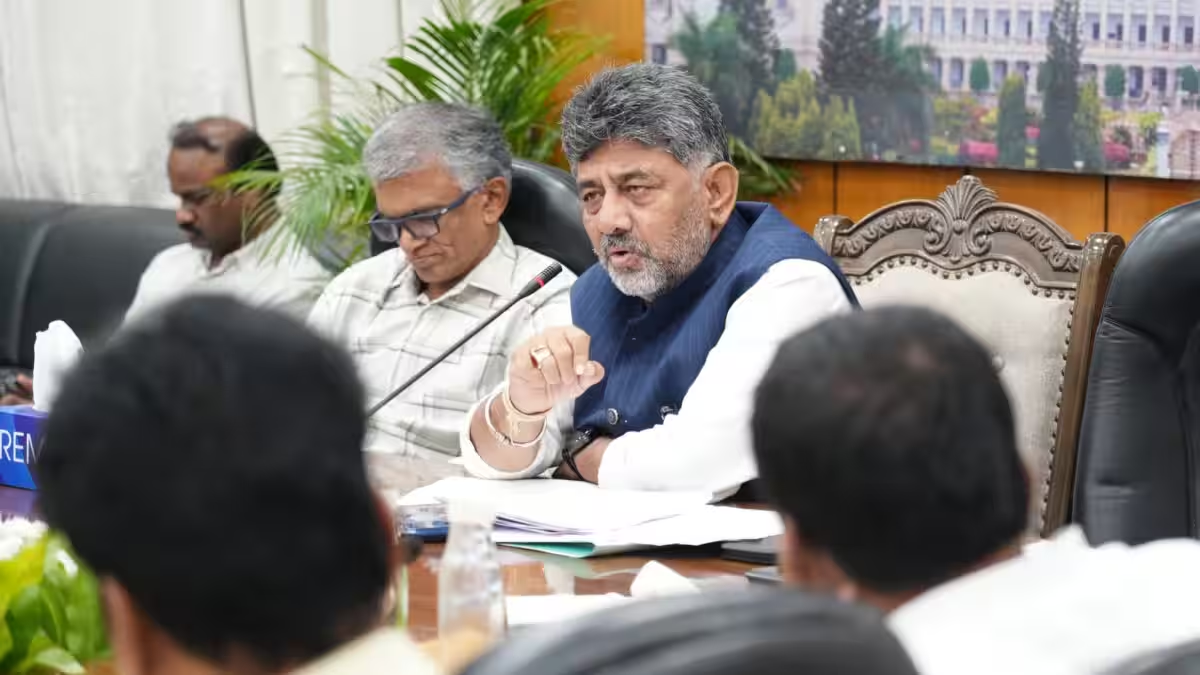
The Karnataka government has established a cabinet sub-committee to investigate the challenges faced by students and suggest reforms to improve the education system. Announced on August 26, 2026, this move follows a cabinet decision made earlier that month. The committee aims to address a wide range of concerns including examination integrity, education costs, infrastructure, curriculum relevance, student wellbeing, and equitable access to education.
Why Karnataka Is Reassessing Its Education System
Education in Karnataka, like in many parts of India, faces complex challenges. Students often grapple with issues such as unfair examination practices, high fees, lack of quality infrastructure, and mental health pressures. The government’s decision to form this sub-committee reflects a growing recognition that systemic reforms are needed to create a fairer and more effective education environment. The panel will work to ensure that education policies align better with students' needs and future employment opportunities.
Key Areas the Committee Will Investigate
- Examination and Recruitment Transparency: The committee will review measures to prevent question paper leaks and exam malpractice, promote fairness, and establish a fixed schedule for exams and recruitment.
- Education Fees and Coaching Regulation: It will examine the regulation of fees in private institutions and coaching centers to alleviate the financial burden on students and families.
- Infrastructure in Public Institutions: The panel will assess the quality and availability of facilities such as laboratories, libraries, and hostels, while addressing teacher vacancies.
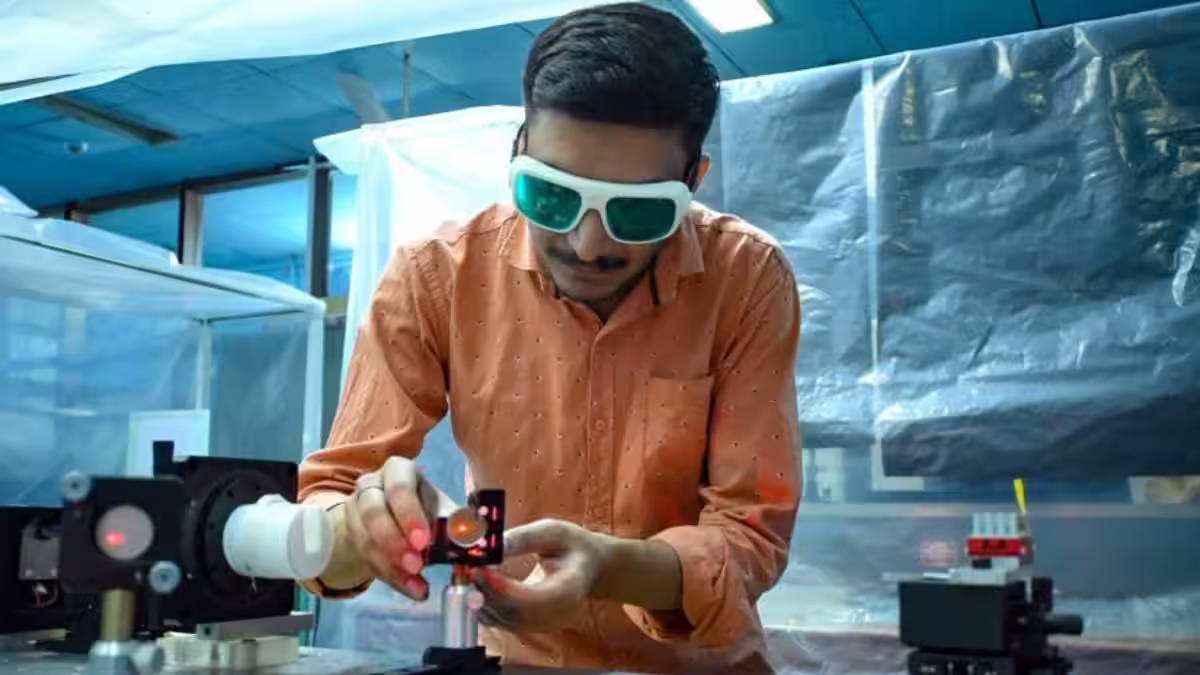
- Curriculum and Employability: Efforts will focus on aligning curricula with industry needs, promoting skill development, apprenticeships, and stronger ties between education and employment sectors.
- Student Mental Health and Wellbeing: The committee aims to enhance counseling services, reduce academic stress, and implement suicide prevention strategies, especially in coaching hubs and residential schools.
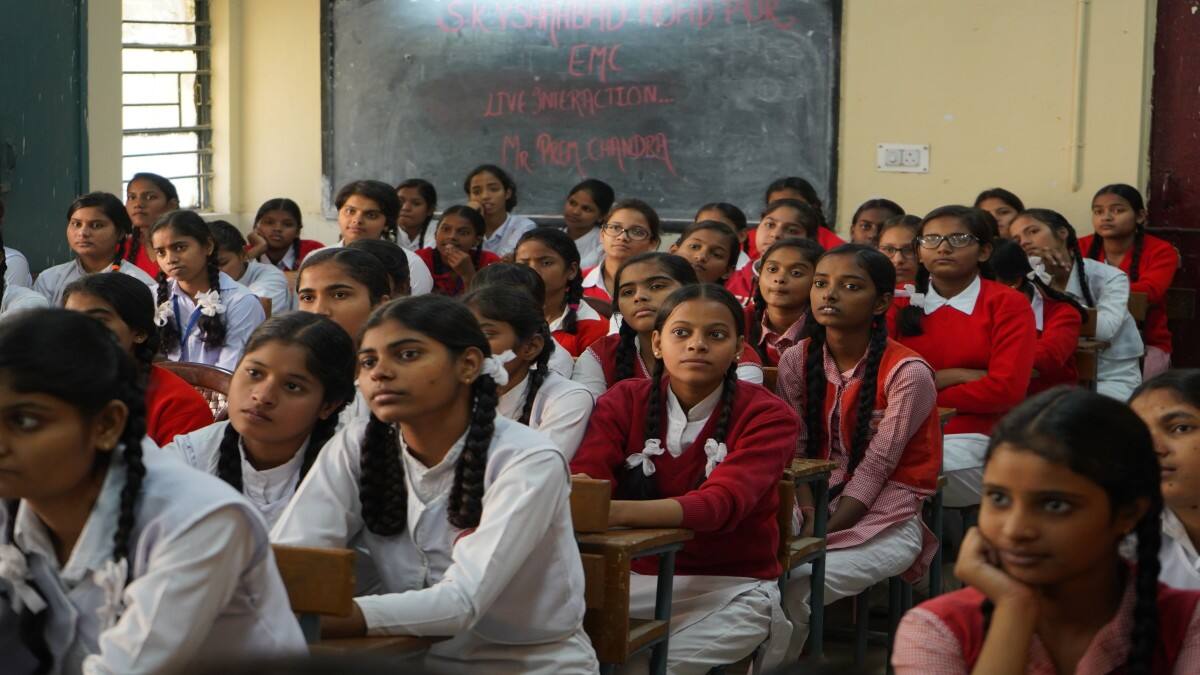
- Access and Equity: It will work to improve scholarships, expand hostel capacity, support girls’ education, and assist students from marginalized communities including SC, ST, OBC, minorities, and first-generation learners.
How This Panel Could Change Education in Karnataka
By involving ministers from health, minority welfare, higher education, IT, medical education, and school education, the government is taking a comprehensive approach. The committee will consult widely with students, parents, teachers, and experts to ensure that reforms are practical and inclusive. The goal is to create an education system that not only addresses current problems but also equips young people for future challenges and job markets.
The Chief Minister emphasized the government’s commitment to listening to youth and responding to their concerns. With a one-month deadline for the committee’s report, swift action is expected. This initiative could lead to more transparent exams, affordable education, better facilities, and stronger support systems for students across Karnataka.
Frequently Asked Questions
Q: Who is leading the Karnataka cabinet sub-committee on education?
A: The panel is headed by U.T. Khader, the minister for health and family welfare, minority welfare, and Haj & Wakf.
Q: What are the main issues the committee will focus on?
A: The committee will examine exam transparency, education fees, infrastructure, curriculum relevance, student mental health, and equitable access to education.
Q: How will the committee gather input for its recommendations?
A: The sub-committee will consult students, parents, teachers, educational institutions, and subject experts throughout Karnataka before submitting its report.