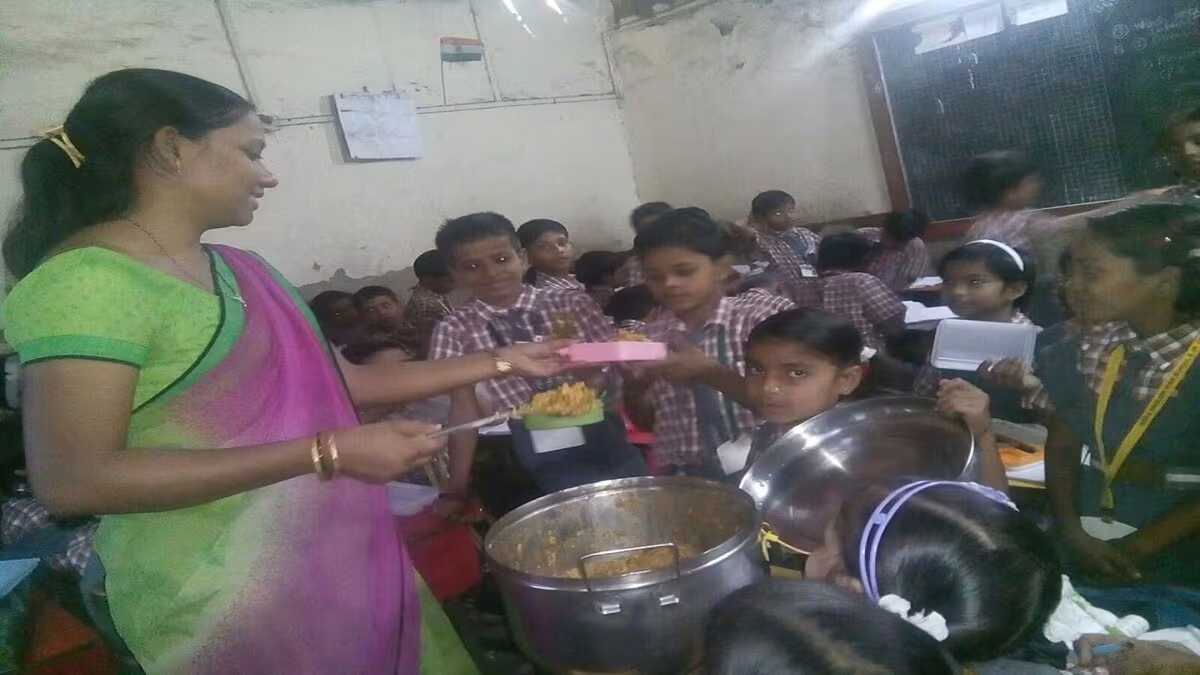
Maharashtra Chief Minister Devendra Fadnavis has instructed the school education and women and child development departments to submit a proposal on extending the mid-day meal scheme to students up to Class 10. Currently, the scheme covers students only up to Class 8. The extension aims to provide fresh, nutritious, and quality meals on time under the Pradhan Mantri Poshan Shakti Nirman Yojana.
- The mid-day meal scheme currently serves students up to Class 8 in Maharashtra.
- The CM has asked for a feasibility study to extend the scheme to Class 10.
- Local authorities will have decision-making powers based on district-level conditions.
- Centralised kitchens are encouraged where feasible, especially in rural areas.
- Alternative arrangements through Gram Panchayats are suggested for remote and tribal areas.
- Coordination between education and women and child development departments is essential for effective implementation.
Why is Maharashtra considering extending the mid-day meal scheme to Class 10?
The Chief Minister wants to ensure that older students also receive nutritious meals, which can improve their health and learning outcomes. Extending the scheme to Class 10 will benefit a larger group of students and support their educational development.
How will the quality and delivery of meals be maintained?
Fadnavis emphasized the use of centralised kitchens in urban and feasible rural areas to maintain meal quality. In remote and tribal regions, where delivery from central kitchens is challenging, Gram Panchayats will be involved in meal preparation and distribution. The involvement of local self-help groups is also encouraged to ensure timely and fresh meal delivery.
What role will local authorities play in this scheme?
District Collectors, Chief Executive Officers of Zilla Parishads, and Municipal Commissioners will have the authority to make decisions based on local needs and feasibility. They will oversee food quality, service standards, and payment mechanisms to ensure smooth implementation.
How will the departments coordinate to implement the scheme effectively?
The school education and women and child development departments will assess district-level requirements and coordinate resources. This joint effort aims to deliver the benefits of the mid-day meal scheme more efficiently to students.
What suggestions were made regarding meal composition and supply?
Minister Dadaji Bhuse proposed expanding centralised kitchens and funding Gram Panchayats to supply nutritious meals locally. He also suggested urging the central government to reduce rice quantities and increase other grains in meals. Minister Aditi Tatkare mentioned entrusting ISKCON with supplying nutritious meals to urban Anganwadis, with plans to expand based on effectiveness. She recommended empowering district-level nutrition committees to decide on meal supply and emphasized providing fresh meals using local food items instead of premix or fortified products.
What are the next steps for the proposal?
The education department will collect suggestions from district officials to understand local challenges. These inputs will help shape a joint policy, which will then be submitted to the Cabinet for approval. This process ensures that the policy is practical and tailored to local conditions.