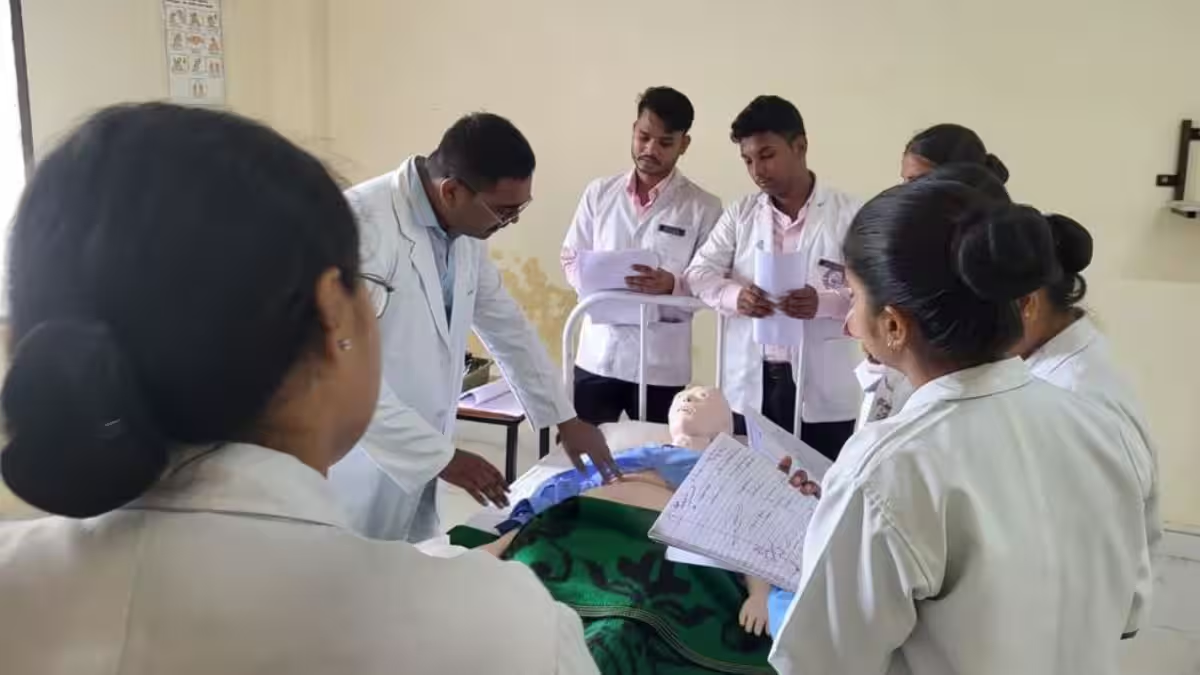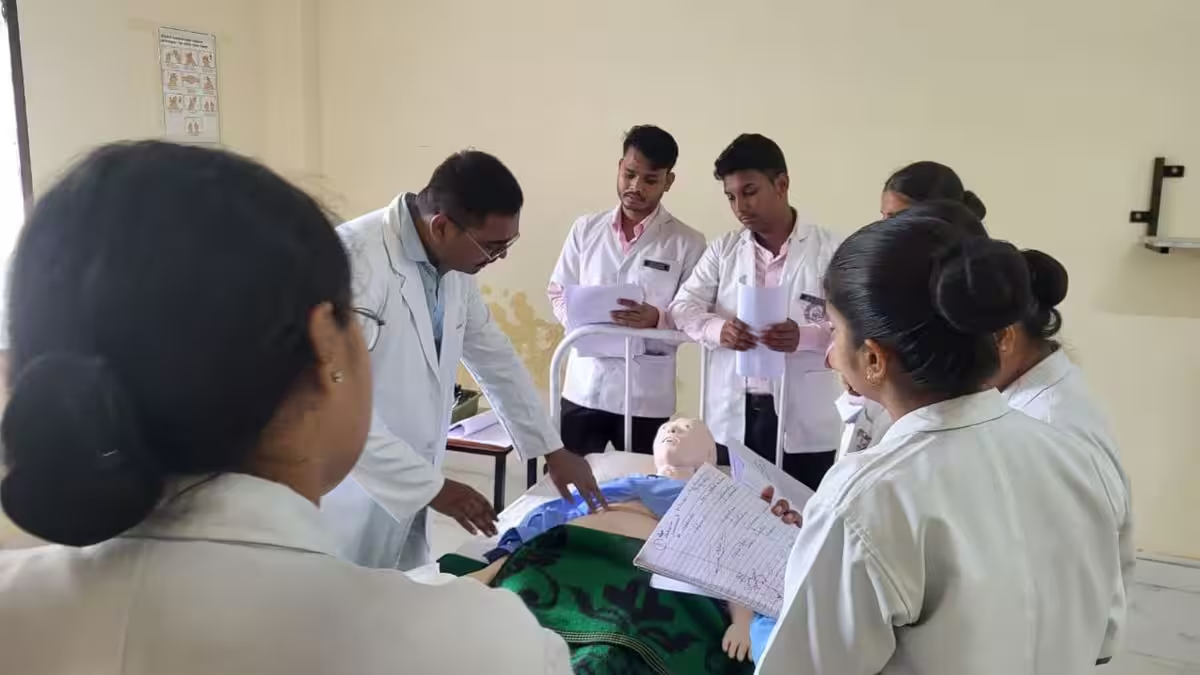
Resident doctors across Maharashtra have launched an indefinite strike starting at midnight on August 5. The Maharashtra Association of Resident Doctors (MARD) announced the statewide protest in response to the government’s decision to permit homeopathy practitioners to register with the Maharashtra Medical Council (MMC) and prescribe modern medicines after completing a certificate course.
The strike will initially maintain emergency and casualty services for the first 24 hours to ensure patient safety, but all outpatient department (OPD) services, routine duties, and academic activities at government medical college hospitals will be suspended. If the government does not address their concerns, the strike will escalate to include emergency services from August 6 onward.
Understanding the Controversy Over Homeopathy and Modern Medicine
The core issue behind the strike is the government’s June 30 notification allowing homeopathy practitioners who complete a six-month Certificate Course in Modern Pharmacology (CCMP) to prescribe modern medicines. This policy has sparked intense opposition from resident doctors who argue that the move lacks a clear legal and scientific framework.
Homeopathy is a distinct system of medicine based on different principles than allopathic or modern medicine. The new policy blurs these boundaries by enabling practitioners trained in homeopathy to prescribe drugs typically reserved for allopathic doctors, raising concerns about patient safety and medical standards.
Key Points of the Resident Doctors’ Protest
- The strike begins at midnight on August 5 and is indefinite until demands are met.
- Emergency and casualty services will continue only during the first 24 hours of the strike.
- All OPD services, routine hospital duties, and academic activities will be suspended immediately.
- From August 6, if unresolved, emergency services will also be withdrawn.
- MARD demands suspension of the BHMS-CCMP registration process until the courts deliver a final verdict.
- The association calls for a comprehensive, legally sound, and scientifically validated regulatory framework before implementing such policies.
- They emphasize the strike is not against homeopathy or its practitioners but aims to protect patient care standards.
Why This Strike Matters for Healthcare in Maharashtra
The strike highlights deep divisions within India's healthcare system regarding the integration of different medical practices. Resident doctors fear that allowing homeopathy practitioners to prescribe modern medicines without rigorous oversight could compromise patient safety and dilute the quality of medical care.
Moreover, the strike underscores frustrations among resident doctors over unresolved issues related to their working conditions and recognition. By linking their protest to the CCMP registration policy, they are pressing the government to address broader systemic problems.
The government faces pressure to balance traditional and modern medical practices while ensuring clear regulations that protect patients. The outcome of this strike could influence future policies on medical practice integration and regulatory standards in Maharashtra and potentially across India.
Frequently Asked Questions
Q: What is the Certificate Course in Modern Pharmacology (CCMP)?
A: The CCMP is a six-month course designed to train homeopathy practitioners in prescribing modern medicines, enabling them to register with the Maharashtra Medical Council under the new policy.
Q: Why are resident doctors opposing the CCMP registration?
A: They believe the policy lacks a proper legal and scientific framework, which could risk patient safety by allowing homeopathy practitioners to prescribe modern medicines without adequate training or regulation.
Q: Will emergency medical services be affected by the strike?
A: Emergency and casualty services will continue during the first 24 hours of the strike but may be withdrawn from August 6 if the government does not respond to the doctors’ demands.