Union Minister Pralhad Joshi has highlighted a major issue in the Indian education system, calling it "marks-wadi" due to its excessive focus on scoring marks rather than true learning. He emphasized the need to replace rote learning with experiential learning to help students understand concepts better and develop confidence. Joshi made these remarks during the inauguration of an "Experience Centre" at the Central Board of Secondary Education (CBSE) office complex in Dwarka.
- Current education system focuses too much on marks and memorization.
- Parents often pressure children to score high marks, affecting learning quality.
- Experiential learning encourages understanding, application, and confidence.
- Atal Tinkering Labs promote innovation; 10,000 labs exist with plans for 50,000 more.
- CBSE Experience Centre showcases the evolution of education in India.
Why does Pralhad Joshi call the education system "marks-wadi"?
Joshi explained that both students and parents have become overly focused on marks. Students spend much of their time memorizing information just to score well, while parents often insist on high marks without considering whether their children truly understand the material. This mindset leads to a loss of interest in learning and reduces students' confidence because knowledge gained through rote learning is often not useful in real-life situations.
What is experiential learning and why is it important?
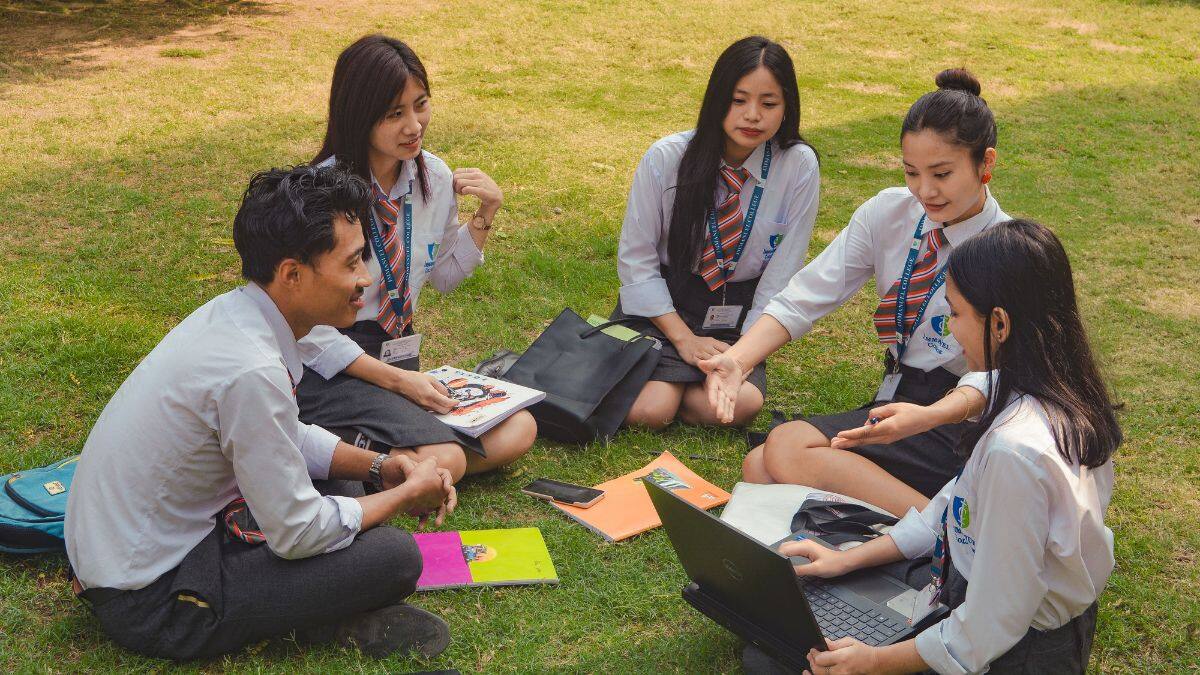
Experiential learning involves learning through direct experience, observation, and experimentation rather than just reading textbooks or memorizing facts. Joshi stressed that students should be able to apply scientific concepts practically and engage in hands-on activities. This approach helps students develop critical thinking skills, creativity, and confidence, preparing them better for future challenges.
How does the National Education Policy 2020 support this change?
The National Education Policy (NEP) 2020 encourages a shift from rote learning to experiential learning. It aims to make education more holistic, flexible, and aligned with the needs of the 21st century. The policy promotes critical thinking, creativity, and practical skills to ensure students are ready for the evolving global workforce.
What role do Atal Tinkering Labs play in education?
Atal Tinkering Labs are innovation hubs set up in schools to foster curiosity and scientific temperament among students. Currently, there are 10,000 such labs across India, and the government plans to establish 50,000 more. These labs provide students with opportunities to experiment, build projects, and develop problem-solving skills.
What is the CBSE Experience Centre?
The CBSE Experience Centre, inaugurated by Joshi, is a 6,000 square feet facility that showcases the history and evolution of education in India. It features 12 zones and 21 exhibits that connect ancient educational traditions with modern learning methods and career opportunities. The centre also displays historical photographs and archival materials dating back to 1935, highlighting CBSE's role in shaping school education.
How does Joshi view the future of education in India?
Joshi believes education should equip young people with knowledge, skills, and values to contribute meaningfully to society and the nation's development. He highlighted India's growing potential in technology, manufacturing, and innovation, emphasizing the need to prepare students for the changing demands of the global workforce through practical and experiential learning.