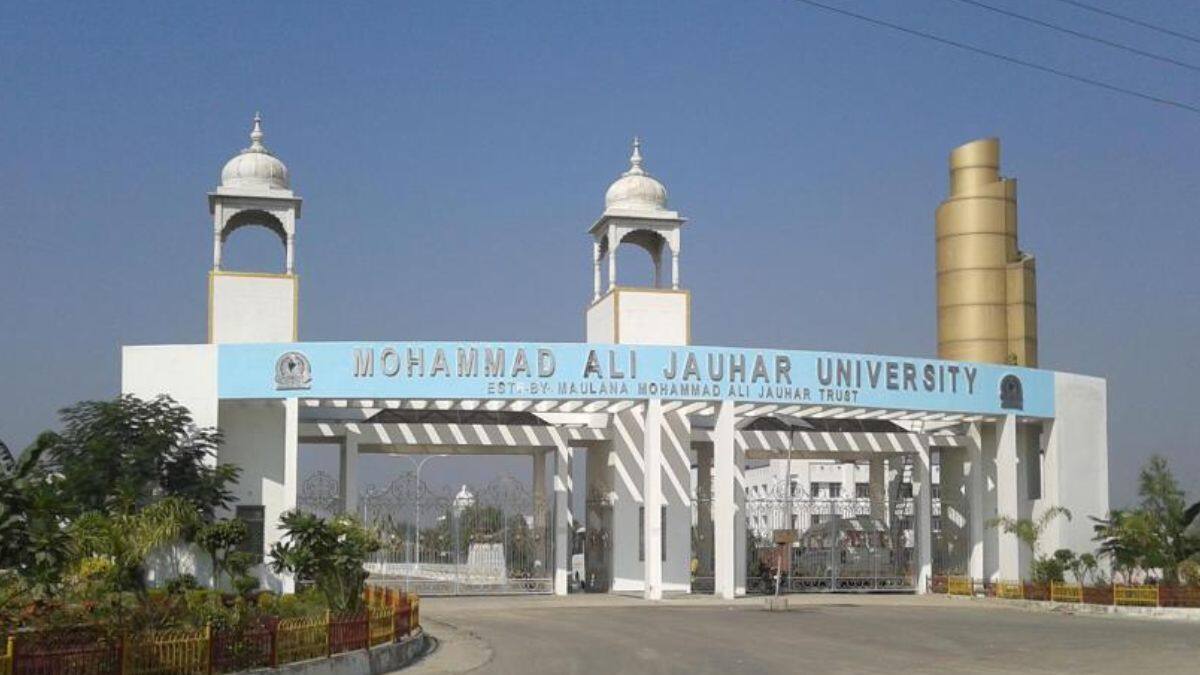
Mehbooba Mufti, president of the Peoples Democratic Party (PDP), sharply criticized the Uttar Pradesh government on Sunday for ordering the demolition of most buildings at Mohammad Ali Jauhar University in Rampur. She accused Chief Minister Yogi Adityanath of acting out of hatred and urged people to support the students protesting the decision.
Background on Mohammad Ali Jauhar University and the Demolition Order
Mohammad Ali Jauhar University was established in 2006 through an act of the Uttar Pradesh legislature. Located about 12 kilometers from Rampur Railway Station, the university was founded by Azam Khan, a jailed leader of the Samajwadi Party. The institution has been a significant project for Khan but has faced ongoing legal challenges related to land encroachment and alleged violations of lease agreements.
On July 15, the Rampur Development Authority (RDA) issued an order to demolish 38 out of the 40 buildings on the university campus. The authority cited a lack of approved construction plans as the reason for the action. Rampur District Magistrate Ajay Kumar Dwivedi explained that the demolition followed a report from a regional junior engineer who flagged unauthorized construction on university grounds.
The university contested the order, arguing that the buildings were constructed outside the RDA's jurisdiction. However, the authority rejected this claim and proceeded with the demolition directive. Earlier this year, the Uttar Pradesh government reclaimed large parts of the university’s land amid ongoing disputes. Azam Khan and his family have since stepped down from the university's governing trust.
Details of the Controversy and Reactions
- The demolition order targets 38 of the 40 buildings on the campus, sparing only two structures.
- The RDA's justification centers on the absence of official approvals for the constructions.
- Azam Khan, the university’s founder, is currently in jail and has faced multiple legal battles related to land and property issues.
- Mehbooba Mufti condemned the demolition as an act of vengeance and called for solidarity with the university’s students.
- Mufti referenced the Jantar Mantar protests, suggesting the youth are rejecting divisive politics and urging Chief Minister Yogi Adityanath to learn from these demonstrations.
Why This Dispute Matters for Education and Politics in Uttar Pradesh
The demolition of buildings at Mohammad Ali Jauhar University highlights the intersection of politics, education, and governance in Uttar Pradesh. The university, tied closely to a prominent political figure, has become a symbol of broader tensions between the state government and opposition leaders. Actions against the institution are seen by some as politically motivated, raising concerns about the impact on students and academic freedom.
For the students and faculty, the demolition threatens their learning environment and future prospects. The controversy has sparked protests, drawing attention to how political rivalries can affect educational institutions. The situation also reflects the challenges of urban development authorities enforcing regulations amid complex political dynamics.
Mehbooba Mufti’s vocal opposition to the demolition underscores the political stakes involved. By aligning herself with the protesting students, she is positioning the issue as part of a larger struggle against what she describes as divisive and vindictive governance.
Frequently Asked Questions
Q: Why did the Rampur Development Authority order the demolition?
A: The RDA ordered the demolition because 38 buildings on the Mohammad Ali Jauhar University campus were constructed without approved plans, which the authority classified as unauthorized constructions.
Q: Who founded Mohammad Ali Jauhar University?
A: The university was founded by Azam Khan, a jailed leader of the Samajwadi Party, in 2006 through an act of the Uttar Pradesh legislature.
Q: What has been the response from political leaders?
A: Mehbooba Mufti, PDP president and former Jammu and Kashmir chief minister, condemned the demolition order, calling it an act of hatred and urging support for the protesting students. She also referenced nationwide youth protests rejecting divisive politics.