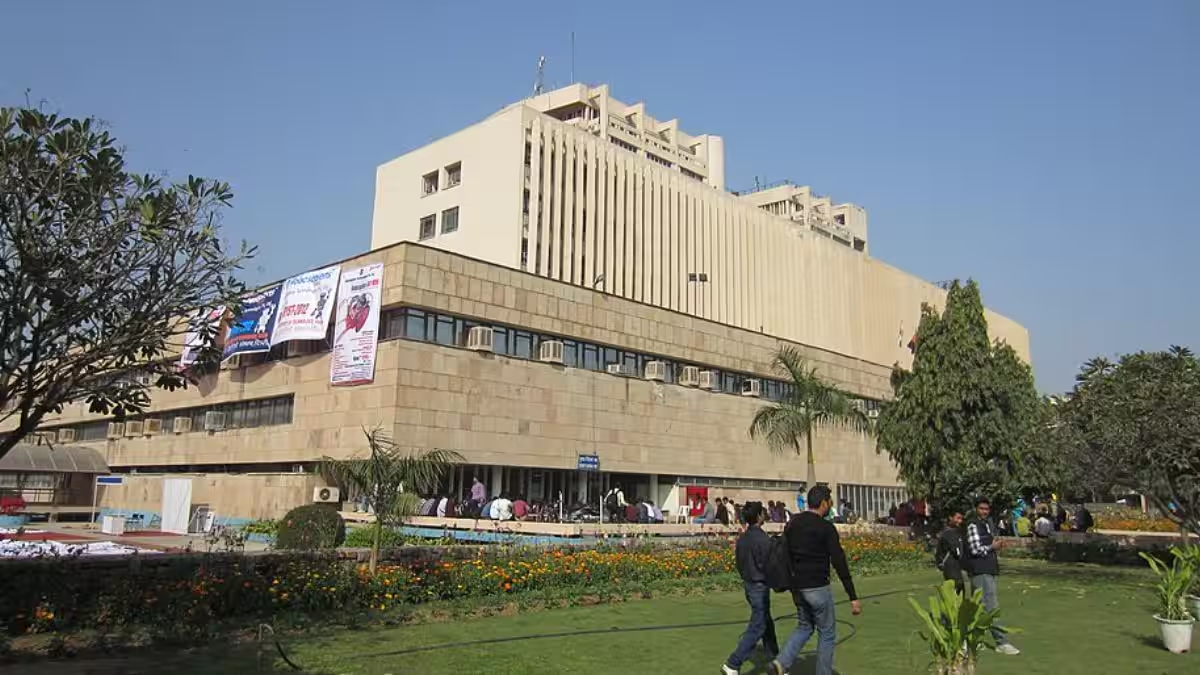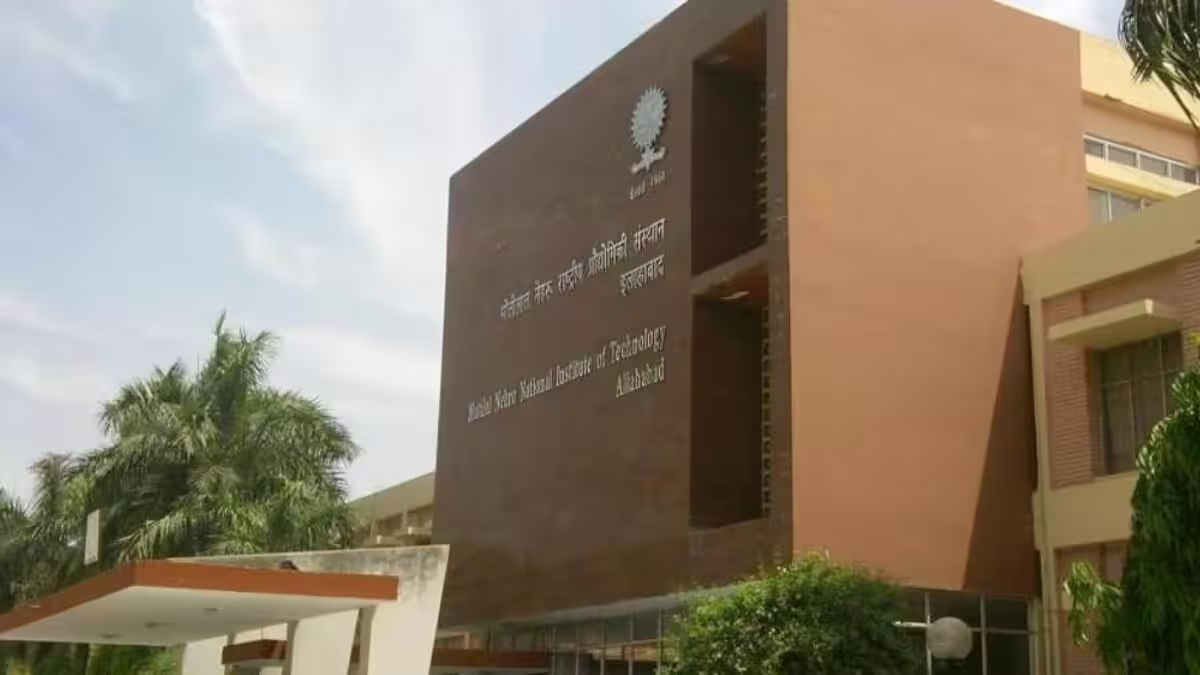
A professor at Motilal Nehru National Institute of Technology (MNNIT) Allahabad has been arrested following allegations of rape made by a third-year BTech student. The incident reportedly took place at the professor's residence, where he had called the student under the pretense of providing academic assistance. In response, the institute has suspended the professor pending further investigation.
The arrest has sparked significant unrest among the student body, with many gathering at the athletics ground to demand strict action and a fair, transparent inquiry. The Akhil Bharatiya Vidyarthi Parishad (ABVP) Prayagraj chapter submitted a memorandum to the institute's registrar, urging a timely and impartial investigation into the matter.
Details About the Accused Professor and Incident
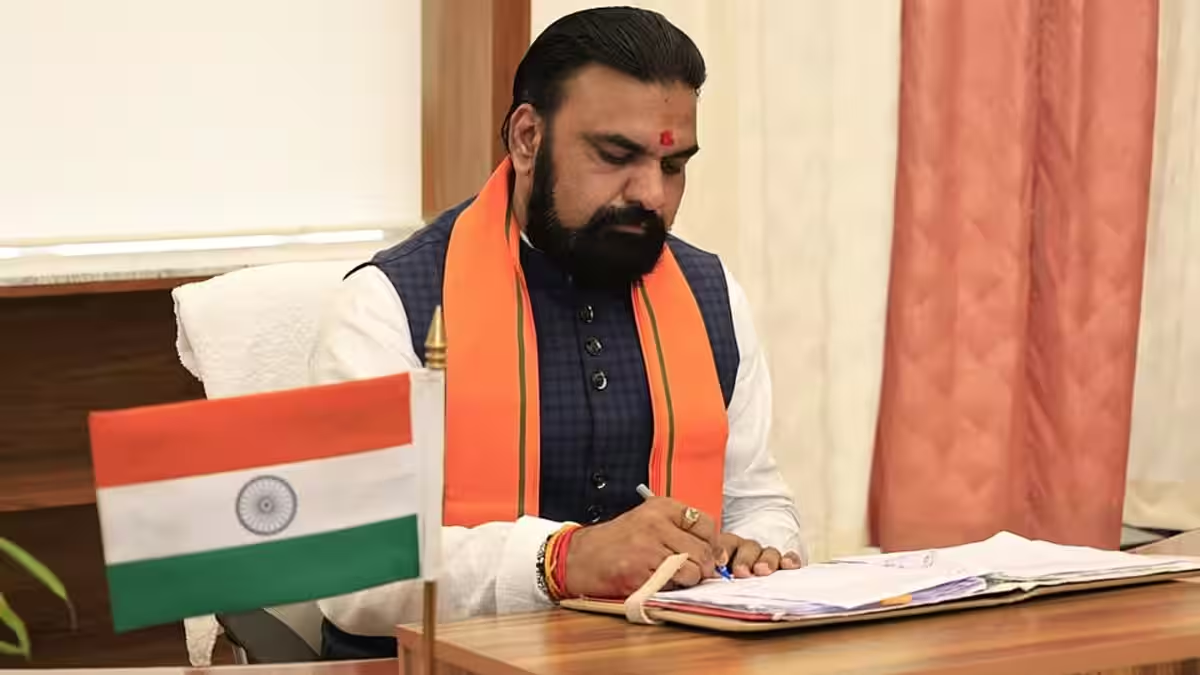
The accused is Saugato Roy, an assistant professor in the computer science department at MNNIT Allahabad. He has been associated with the institute for three years and is originally from Kolkata. His academic background includes a BTech from the Government College of Engineering and Technology in West Bengal, followed by an MTech and PhD from IIT Dhanbad.
The complaint alleges that Roy invited the student to his home under the guise of academic help. The student’s family had previously met with the professor to discuss academic support, and he had even invited them to dinner. After the family left on August 6, Roy allegedly began contacting the student through Snapchat, making inappropriate remarks.
On August 9, around 1 pm, the professor reportedly called the student to his room, where he threatened to fail her if she did not comply and then sexually assaulted her. The student filed a complaint, leading to Roy’s arrest and subsequent judicial custody.
Context of Sexual Harassment in Indian Educational Institutions
Sexual harassment allegations in Indian academic institutions have been a growing concern. Many students, especially women, face challenges in reporting such incidents due to fear of retaliation or social stigma. Internal Complaints Committees (ICCs) are mandated in educational institutions to address such complaints, but effectiveness varies widely.
Recent reports from other institutes highlight that harassment cases often remain unreported or unresolved, contributing to a culture of silence. This case at MNNIT Allahabad adds to ongoing conversations about the need for stronger protections and transparent processes for victims.
What This Case Reveals About Student Safety and Institutional Responsibility
The arrest and suspension of a faculty member on such serious charges underscore the importance of safeguarding student welfare. It also raises questions about the mechanisms in place to prevent abuse of power by educators. Students and advocacy groups are calling for more robust policies and quicker action when allegations arise.
Institutions must balance due process for the accused with the urgent need to protect students and ensure a safe learning environment. The demand for a fair and transparent probe reflects broader concerns about accountability and trust in academic settings.
Frequently Asked Questions
Q: What actions has MNNIT Allahabad taken against the professor?
A: The institute has suspended the professor following the allegations and is cooperating with legal authorities as the investigation proceeds.
Q: How did the student report the incident?
A: The student filed a complaint with the local police after the alleged assault, which led to the professor's arrest and judicial custody.
Q: What support is available for students facing harassment in Indian colleges?
A: Educational institutions are required to have Internal Complaints Committees to address harassment complaints, and students can also seek help from local law enforcement and support organizations dedicated to victims' rights.