The Maharashtra government has formed a five-member committee to investigate alleged paper leaks and irregularities in Maharashtra Public Service Commission (MPSC) exams. This committee will also examine the tenure of both current and past chairpersons and members of the MPSC to ensure a thorough and transparent inquiry.
- The committee includes senior IAS officer Tukaram Mundhe as secretary.
- Ex-judge Dilip Bhosale chairs the panel.
- Members include IPS officer Laxmi Gautam, ex-IAS officer Ganesh Patil, and retired judge P D Naik.
- MPSC chairman Vivek Bhimanwar has taken leave during the inquiry.
- Protesting aspirants ended their 10-day agitation following the announcement.
Who is on the MPSC inquiry committee?
The committee consists of five members appointed by the Maharashtra government. Senior IAS officer Tukaram Mundhe, known for his strict enforcement of food safety regulations, serves as the secretary. The panel is chaired by former judge Dilip Bhosale. Other members include IPS officer Laxmi Gautam, ex-IAS officer Ganesh Patil, and retired judge P D Naik. This diverse group brings legal and administrative expertise to the investigation.
What issues will the committee investigate?
The committee will probe alleged paper leaks and irregularities in MPSC exams. It will also examine the conduct and tenure of present and past chairpersons and members of the commission. The goal is to identify any misconduct and recommend appropriate actions to uphold the integrity of the recruitment process.
How did the MPSC aspirants respond to the inquiry announcement?
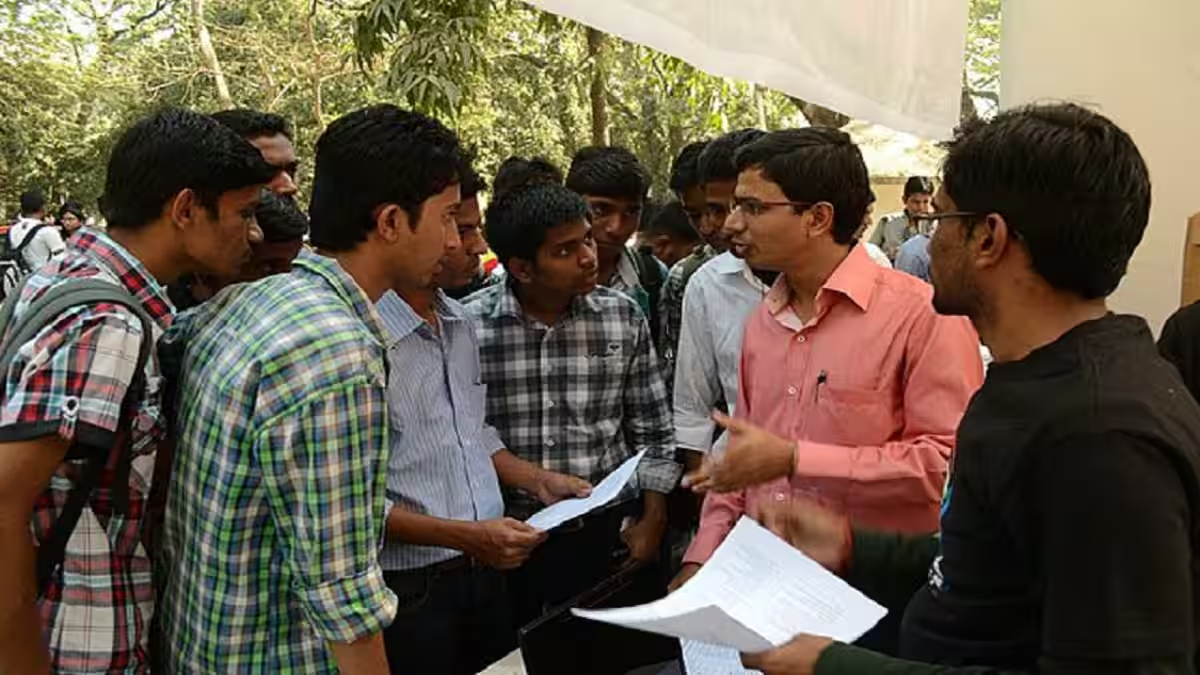
MPSC aspirants had been protesting for 10 days at SM Joshi Bridge in Pune, demanding reforms in the commission and action against irregularities. After the government announced the committee's formation and its composition, the aspirants ended their agitation. They had also requested the withdrawal of cases against some protest representatives and other reforms, which the state minister Shivendraraje Bhosale promised to address.
What actions have been taken regarding MPSC officials?
Following the announcement of the inquiry, MPSC chairman Vivek Bhimanwar proceeded on leave until the investigation is completed. The committee’s findings could lead to recommendations for removal under Article 317 of the Indian Constitution, which governs the removal and suspension of Public Service Commission members.
What is Article 317 and its relevance?
Article 317 of the Constitution of India outlines the procedure for the removal and suspension of chairpersons and members of Public Service Commissions, such as the MPSC. If the inquiry committee finds misconduct by the chairperson or members, it can recommend their removal to the President of India for appropriate action under this article.
What are the broader demands of the MPSC aspirants?
Besides the inquiry, aspirants have demanded the recruitment of 70,000 posts over three years, an increase in seats for the Group C examination, and background checks on MPSC officials before appointment. NCP (SP) MLA Rohit Pawar, who supported the protests, expressed hope that the committee would work transparently and effectively.
Frequently Asked Questions
Q: Who leads the MPSC inquiry committee?
A: The committee is chaired by ex-judge Dilip Bhosale, with senior IAS officer Tukaram Mundhe as secretary.
Q: Why was the committee formed?
A: To investigate alleged paper leaks and irregularities in MPSC exams and to examine the conduct of current and past chairpersons and members.
Q: What happened to the MPSC chairman during the inquiry?
A: MPSC chairman Vivek Bhimanwar went on leave until the inquiry is completed.
Q: What legal provision governs the removal of MPSC officials?
A: Article 317 of the Indian Constitution governs the removal and suspension of Public Service Commission chairpersons and members.
Q: How did the aspirants react to the formation of the committee?
A: The aspirants ended their 10-day protest after the committee was announced, with hopes for transparent investigation and reforms.