AI-Enhanced Building Systems in Mumbai
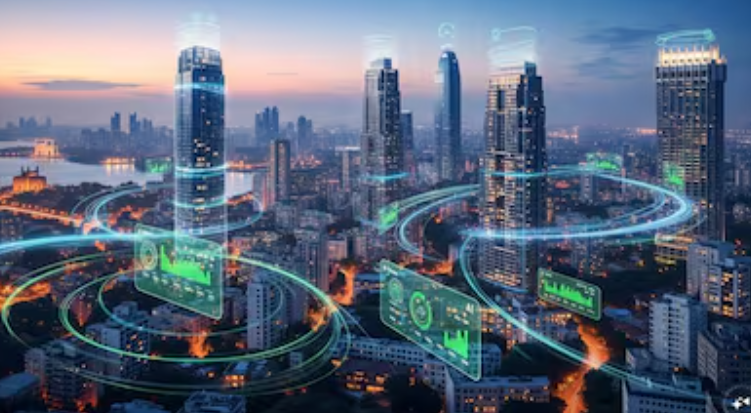
Mumbai’s real estate industry is adopting innovative technology to create healthier indoor environments. A pilot project is in progress to include advanced air purification using artificial intelligence (AI) in large-scale developments. This emphasizes indoor air quality as a vital aspect of urban living.
Integration of AI in Building Infrastructure
The new technology combines real-time environmental sensors with AI to constantly monitor and improve indoor air conditions. It adjusts filtration systems automatically to reduce ultrafine particles, harmful gases, and microbes more effectively than traditional methods. This proactive approach aims to maintain healthier indoor air standards at all times.
Transition from Smart Homes to Health-Focused Buildings
While earlier property marketing highlighted smart features like automation, the current trend shifts towards designing buildings that prioritize health, with air quality becoming a central aspect. This change reflects a broader focus on occupant well-being in urban planning, alongside convenience and luxury.
Indoor Air Quality as a Market Advantage
Pollution levels significantly impact property values, especially in crowded cities. People spend most of their time indoors, where air pollution can be worse than outside due to limited ventilation. As awareness about health risks rises, indoor air quality could become as important as location and amenities in real estate decisions.
Key Facts for Exams
- Indoor air can be more polluted than outdoor air because of enclosed contaminants.
- Air pollution is a major global environmental health risk.
- Ultrafine particulate matter (PM2.5) causes serious respiratory and heart diseases.
- AI-based environmental systems are emerging as new urban infrastructure features.
Scaling and Future Adoption
The Mumbai project aims to serve as a model for wider use in residential and commercial buildings. If successful, such systems could be integrated during the initial design phase, not added later. Cities like Delhi and Bengaluru, facing severe pollution issues, may adopt similar technology, helping redefine urban living standards by making clean air a valued and measurable feature.