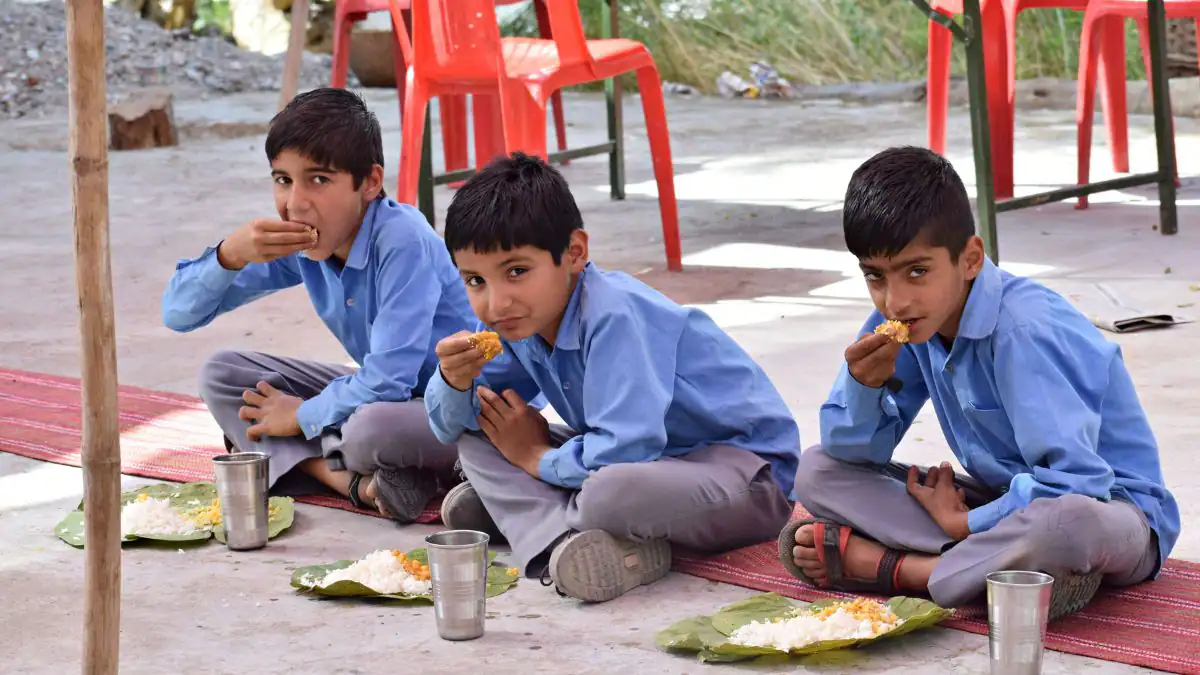
Students at Jawahar Navodaya Vidyalaya in Jalalabad, Kannauj, staged a protest on Thursday by locking themselves inside their hostel rooms to demand better food quality and address administrative issues. The protest involved students from classes 10, 11, and 12, who had been boycotting meals since Wednesday evening, citing long-standing concerns about substandard food served in the hostel mess.
The students reported that their repeated complaints to the school principal and other officials had been ignored, leading them to take this drastic step to draw attention to their grievances. The protest highlighted frustrations over food quality and a lack of responsiveness from the school administration.
Why Students Protested Poor Food and Administration
Jawahar Navodaya Vidyalayas are government-run residential schools aimed at providing quality education to talented rural children. The hostel mess is a critical part of student life, as many students rely entirely on the meals provided there. When food quality declines, it directly affects their health and well-being.
In this case, students alleged that the food served was consistently below acceptable standards, which had been an ongoing problem. Complaints about hygiene, taste, and nutritional value were reportedly dismissed or inadequately addressed by school authorities. This lack of action frustrated students and led to their decision to protest by refusing to eat and locking themselves in their rooms.
Key Facts About the Protest and Official Response
- The protest began Wednesday evening with students boycotting meals.
- Students involved were from classes 10, 11, and 12.
- They locked themselves inside hostel rooms on Thursday to press their demands.
- Kannauj District Magistrate Ashutosh Mohan Agnihotri visited the school late Thursday evening.
- The DM met with students, listened to their concerns, and assured them of administrative support.
- Following the meeting, students agreed to have meals in the canteen.
- The DM stated that the school administration would discuss the issues and take necessary action.
- The chief secretary's office has instructed officials to maintain regular communication with students and resolve concerns through dialogue.
- Random checks on food quality in the canteen will be conducted to ensure standards are met.
What the Protest Means for Student Welfare at Navodaya Schools
This protest sheds light on the importance of maintaining high standards in student hostels, especially in government residential schools where students depend on institutional support for their daily needs. Food quality is not just about nutrition but also about ensuring students feel safe and cared for in their living environment.
The prompt response from the district magistrate and the involvement of higher officials indicate a recognition of these issues at administrative levels. Regular monitoring and open communication channels between students and authorities are essential to prevent such protests and improve student welfare.
Moreover, this incident may prompt other Navodaya Vidyalayas and similar institutions to review their food services and administrative responsiveness to student feedback. Ensuring that students’ voices are heard and acted upon can improve trust and the overall educational experience.
Frequently Asked Questions
Q: Why did the students protest at Jawahar Navodaya Vidyalaya Kannauj?
A: They protested due to poor-quality food served in the hostel mess and felt their complaints were ignored by school officials.
Q: What action did the district magistrate take after the protest?
A: The district magistrate visited the school, met with students, assured them of support, and promised to conduct random food quality checks.
Q: How will the school address the students' concerns moving forward?
A: The school administration will discuss the issues raised, maintain regular communication with students, and take necessary steps to improve food quality and address administrative lapses.