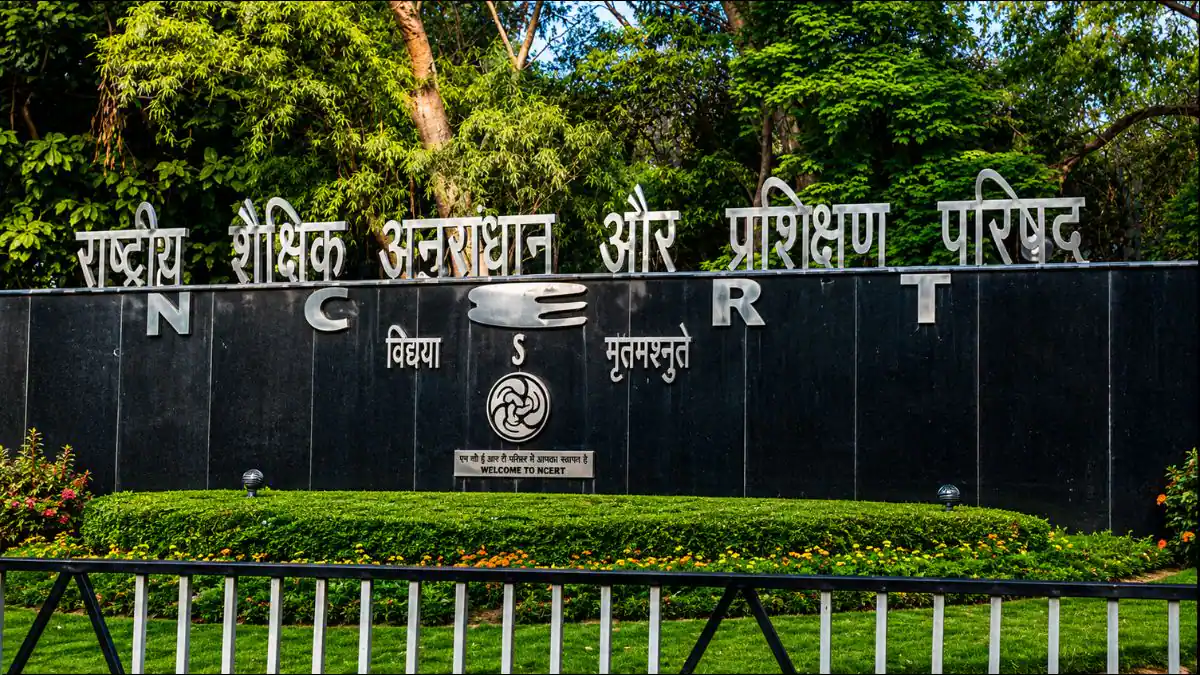
The National Council of Educational Research and Training (NCERT) and the Central Board of Secondary Education (CBSE) are grappling with significant staff shortages, according to a parliamentary committee report released on August 12. The Committee on Estimates highlighted that over half of NCERT's sanctioned positions remain unfilled, while 44% of CBSE's posts are vacant, raising concerns about the functioning of these key educational bodies.
Role of NCERT and CBSE in Indian Education
NCERT plays a vital role in shaping India's education policies and curriculum frameworks. It has been instrumental in implementing the National Education Policy (NEP) 2020, which aims to overhaul the education system with a focus on quality and accessibility. NCERT develops textbooks, curriculum frameworks, and educational research that guide schools across the country.
CBSE, on the other hand, is the largest national board of school education in India. It affiliates thousands of schools and conducts major examinations like the Class 10 and Class 12 board exams. The board has expanded rapidly, with the number of affiliated schools growing from 3,787 in 1992-93 to over 31,000 in 2024-25. This expansion has increased the demand for staff to manage examinations and administrative tasks.
Staff Vacancies and Key Facts
- NCERT has 2,844 sanctioned posts but only 1,248 are filled, leaving 1,596 vacancies as of October 2025.
- Vacant positions at NCERT include 145 academic roles, 131 school teaching posts, 916 ministerial jobs, and 404 ancillary staff.
- CBSE has 2,117 approved positions with 933 vacancies, representing 44% unfilled posts.
- The largest shortage at CBSE is among Group 'C' support staff, with 595 vacancies.
- CBSE currently relies heavily on temporary and contractual workers to manage daily operations and sensitive exam functions.
- The number of students under CBSE has grown to over 1.7 million in Class 12 and 2.38 million in Class 10 by 2025.
Why Filling These Vacancies Matters
The committee emphasized that the high number of vacancies at NCERT and CBSE threatens the quality and smooth functioning of education in India. NCERT's role in developing national curriculum frameworks and textbooks is crucial for implementing NEP 2020 reforms. Without adequate staff, the council may struggle to meet these responsibilities effectively.
For CBSE, the shortage of permanent staff poses risks to the integrity and security of board examinations, which affect millions of students nationwide. The committee warned that relying on temporary staff for critical exam-related tasks could compromise exam quality and fairness.
The report called on the Ministry of Education to urgently prioritize recruitment and fill these vacancies through fast-track processes. Strengthening staffing at these institutions is seen as essential to support India's educational growth and ensure that reforms under NEP 2020 are successfully implemented.
Frequently Asked Questions
Q: What is the significance of NCERT in Indian education?
A: NCERT develops curriculum frameworks, textbooks, and conducts educational research that guide schools across India. It plays a key role in implementing national education policies like NEP 2020.
Q: Why is CBSE staff shortage a concern?
A: CBSE manages board exams for millions of students. Staff shortages, especially among permanent employees, can affect exam security, quality, and smooth administration.
Q: What steps are recommended to address these vacancies?
A: The parliamentary committee urges the Ministry of Education to conduct fast-track recruitment to fill vacant posts at NCERT and CBSE promptly to maintain education quality and exam integrity.