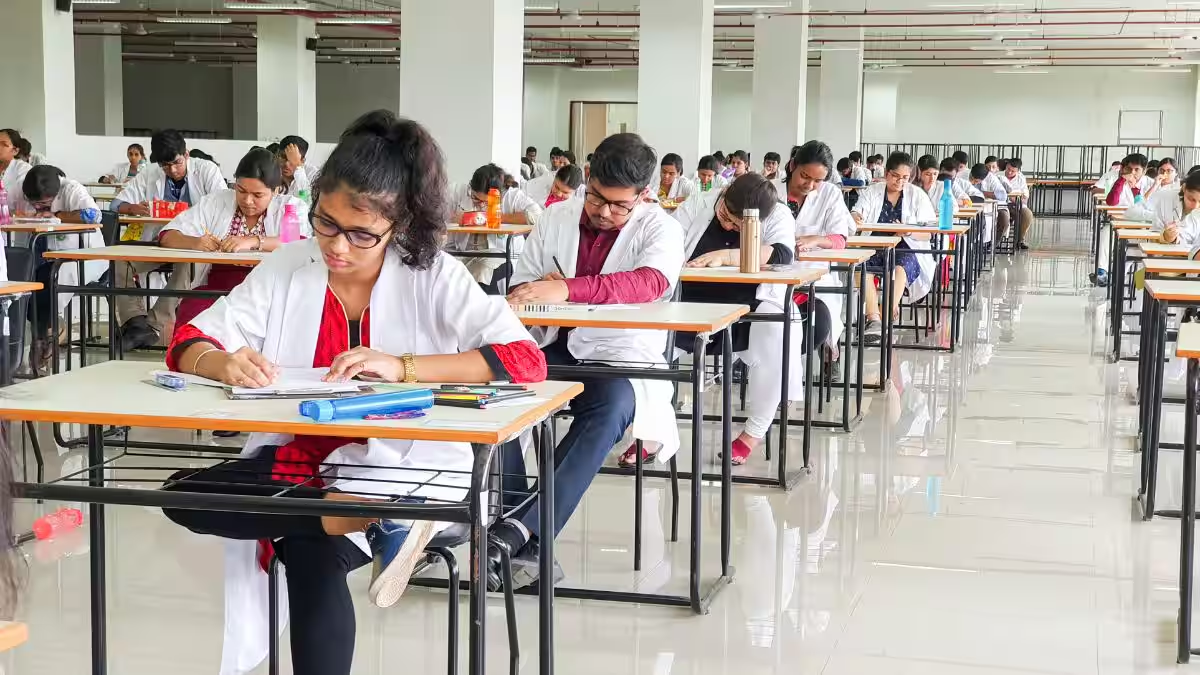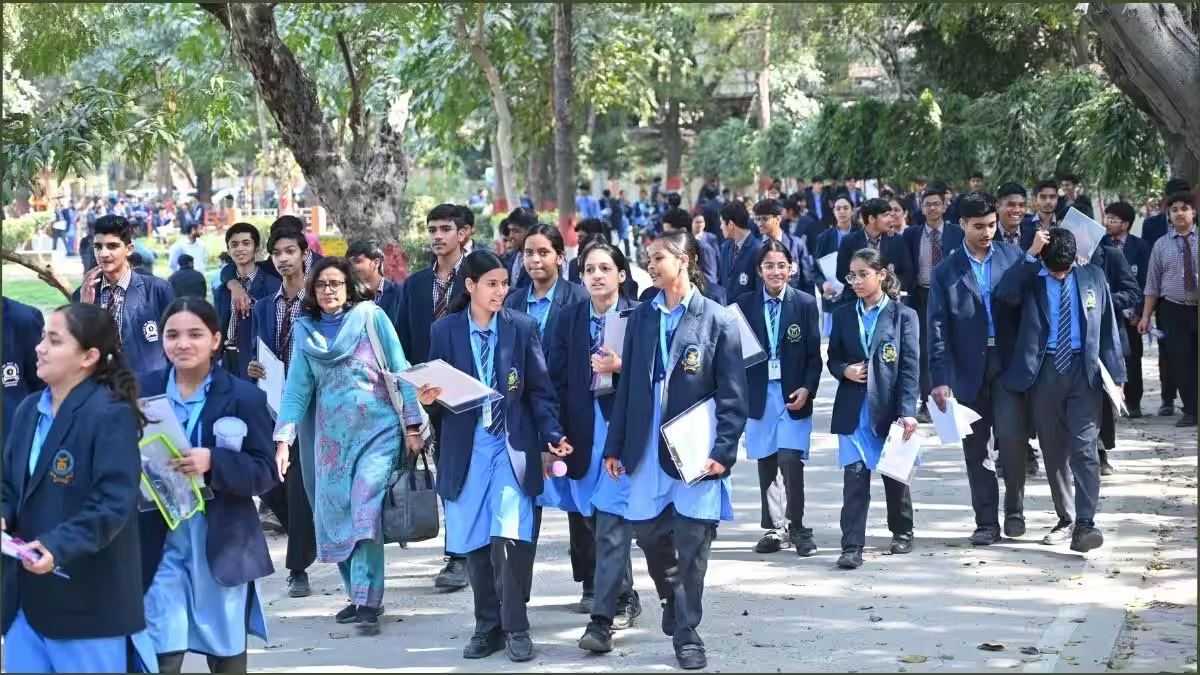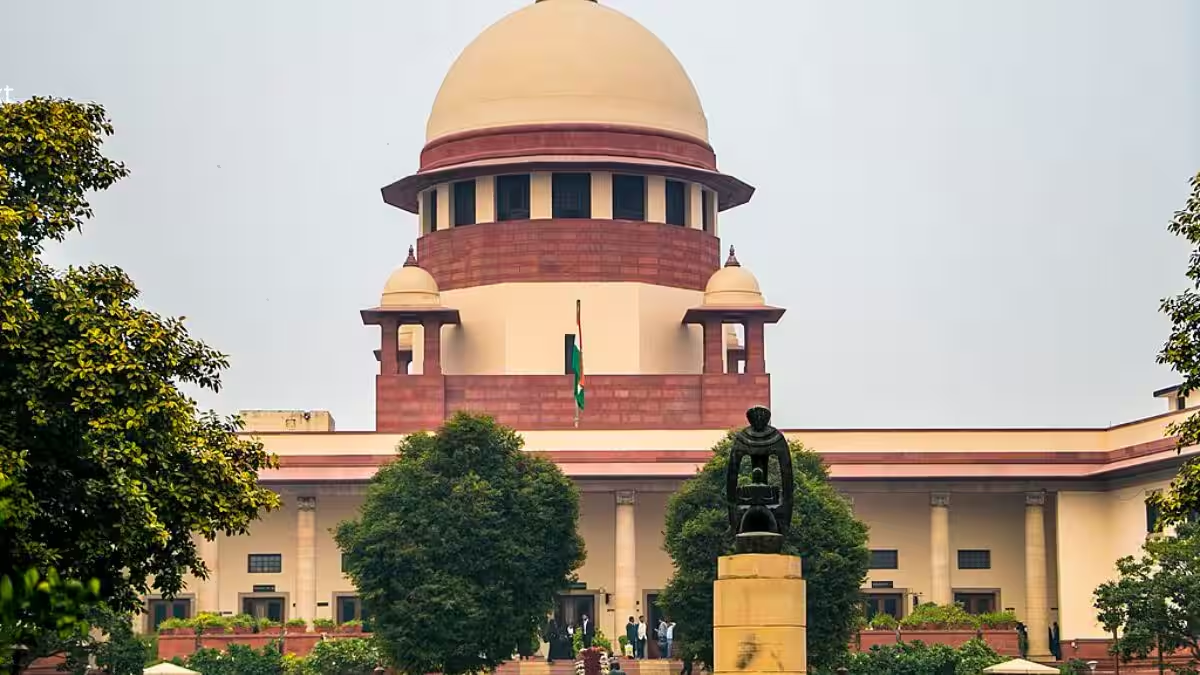
The Supreme Court of India has ruled that state governments, including Delhi, may withdraw or close First Information Reports (FIRs) filed against students who took part in protests over the NEET 2026 paper leak. This decision applies only to students without serious criminal backgrounds involving grave and heinous offenses. The clarification came during a hearing on Monday before a bench led by Chief Justice Surya Kant.
Understanding the NEET Protests and FIRs
The protests erupted after the leak of the NEET 2026 examination paper, sparking widespread outrage among students across several states. Many students gathered to voice their dissent, leading to clashes with law enforcement officials. In response, authorities filed FIRs against numerous participants, accusing them of various offenses. However, concerns arose about the fairness of pursuing legal action against all protesters, especially those without prior criminal records.
The Supreme Court’s recent clarification specifies that only individuals with criminal antecedents related to serious offenses will continue to face legal proceedings. This distinction aims to protect the rights of peaceful protesters while maintaining law and order.
Key Points from the Supreme Court Hearing
- The Union government expressed its commitment not to pursue FIRs against students who protested peacefully and lack serious criminal backgrounds.
- Over 2,700 individuals with antecedents involving grave and heinous offenses will remain subject to FIRs and legal action.
- Senior advocates highlighted incidents of police violence during the protests, including reports of unprovoked beatings and the use of pellet guns against demonstrators.
- The court received approximately 300 videos documenting alleged police excesses, prompting calls for investigations into the conduct of law enforcement agencies.
- The Supreme Court emphasized that police actions such as lathi charges or use of force cannot be justified solely because protests occurred.
- The next hearing on this matter is scheduled for August 18.
Why the Supreme Court’s Decision Matters
This ruling underscores the judiciary’s role in balancing the right to peaceful protest with the need to maintain public order. By allowing states to withdraw FIRs against non-violent student protesters, the court acknowledges the importance of protecting democratic freedoms, especially the right to dissent.
At the same time, the decision makes clear that individuals with serious criminal histories will still face consequences, ensuring that law enforcement can address genuine threats to safety. The court’s attention to police conduct also signals a demand for accountability and restraint during public demonstrations.
For students and activists, this ruling offers reassurance that peaceful protest will not automatically lead to criminal charges, encouraging civic engagement without fear of undue legal repercussions.
Frequently Asked Questions
Q: What are FIRs and why were they filed against NEET protesters?
A: FIRs, or First Information Reports, are official police complaints that initiate criminal investigations. They were filed against students who participated in protests following the NEET paper leak, accusing some of unlawful activities during the demonstrations.
Q: Who is exempt from having FIRs withdrawn according to the Supreme Court?
A: Students or individuals with criminal antecedents involving grave and heinous offenses are excluded from the withdrawal of FIRs and will continue to face legal proceedings.
Q: What concerns were raised about police conduct during the NEET protests?
A: Reports and videos showed police using excessive force, including lathi charges and pellet guns, against protesters. The Supreme Court has called for investigations into these actions to ensure accountability.