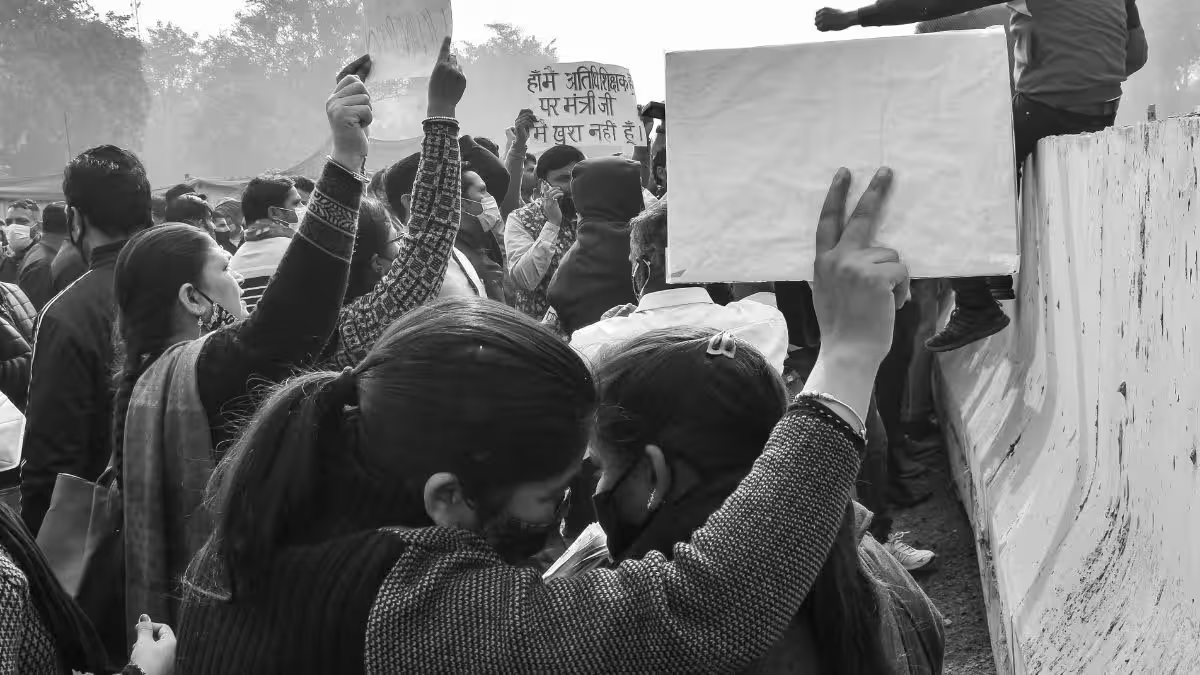
On August 4, hundreds of students and youth activists gathered in Patna to protest against the police crackdown that followed last month's demonstrations over the NEET UG 2026 paper leak. The march, organized by groups including the National Students' Union of India (NSUI), All India Students' Federation (AISF), and Democratic Youth Federation of India (DYFI), began at Gandhi Maidan and aimed to reach the residence of Bihar Chief Minister Samrat Choudhary.
Background of the NEET Protest and Paper Leak
The protests stem from allegations that the NEET UG 2026 exam paper was leaked, sparking widespread outrage among students preparing for the highly competitive medical entrance exam. Last month, a statewide agitation in Bihar saw nearly 600 people detained during a bandh demanding the resignation of then Union Education Minister Dharmendra Pradhan, who was held responsible for the leak. While many minors were released, a significant number of students were sent to jail, leading to ongoing tensions between protesters and authorities.
Details of the August 4 Demonstration
The protest on August 4 saw demonstrators carrying flags of various student and youth organizations as they marched through central Patna. Police intervened near the income tax roundabout, about two kilometers from the chief minister's residence, blocking the march with barricades. When protesters attempted to enter a restricted zone, police used water cannons to disperse the crowd.
- Protesters demanded the release of students still in jail from last month's agitation.
- They called for the withdrawal of all criminal cases filed against arrested students.
- Despite government assurances, many students remain detained, fueling frustration.
- Independent MP Pappu Yadav and Bihar Congress president Rajesh Ram joined the protest; Ram was briefly taken into police custody.
- Police stated no new detentions occurred during the protest and facilitated a delegation to present grievances to authorities.
Why the Protest Continues to Matter in Bihar
The ongoing protests highlight deep dissatisfaction with how the state government and police have handled the aftermath of the NEET paper leak agitation. Although the Bihar Home Department announced that all cases against students would be withdrawn and detainees released after talks between student leaders and police officials, protesters say these promises have not been fully implemented. The continued detention of students and unresolved legal cases have kept tensions high, with activists demanding transparency about who remains in custody and why.
The involvement of prominent political figures like Pappu Yadav and Rajesh Ram underscores the political sensitivity of the issue. The protest also reflects broader concerns about student rights, police conduct, and government accountability in Bihar. As the NEET UG exam remains a critical gateway for medical education, the controversy surrounding the paper leak and subsequent protests could have lasting effects on students’ trust in the examination system and state authorities.
Frequently Asked Questions
Q: What triggered the NEET protests in Bihar?
A: The protests began after allegations surfaced that the NEET UG 2026 exam paper was leaked, leading to widespread anger among students and calls for accountability.
Q: How did the police respond to the protests?
A: Police detained nearly 600 people during a bandh last month and used barricades and water cannons to disperse the August 4 protest when demonstrators tried to enter a restricted area.
Q: Have the arrested students been released?
A: While some minors were released, many students remain in jail despite government promises to withdraw cases and free detainees, which protesters say have not been fully honored.