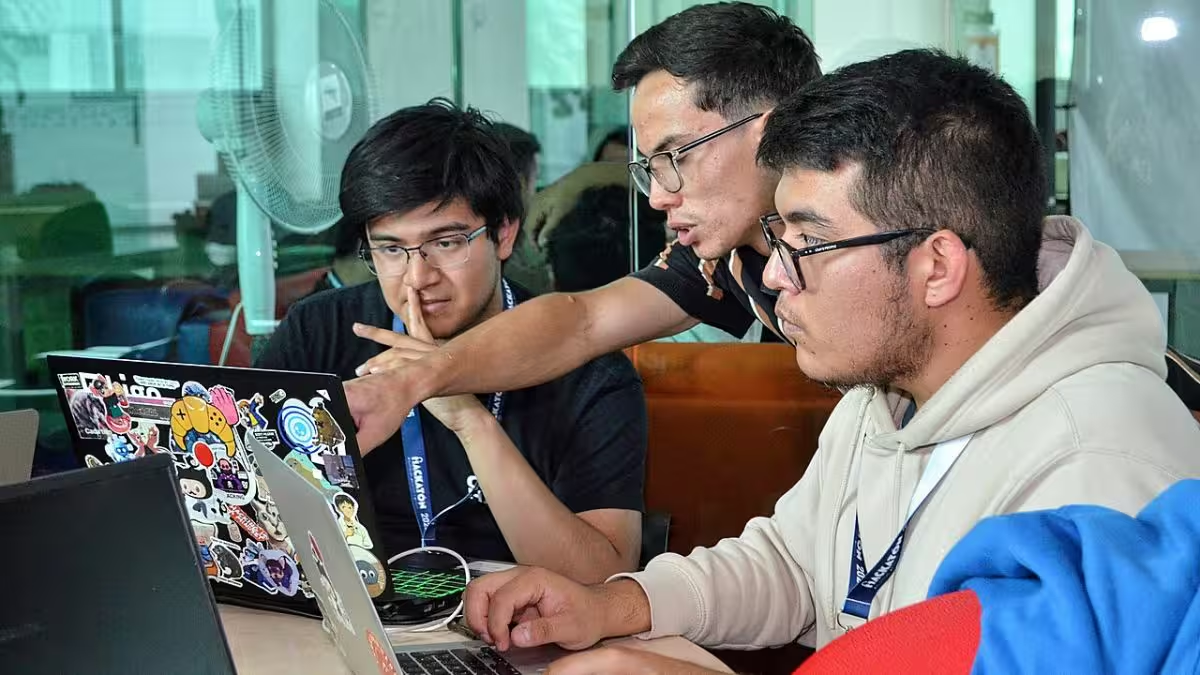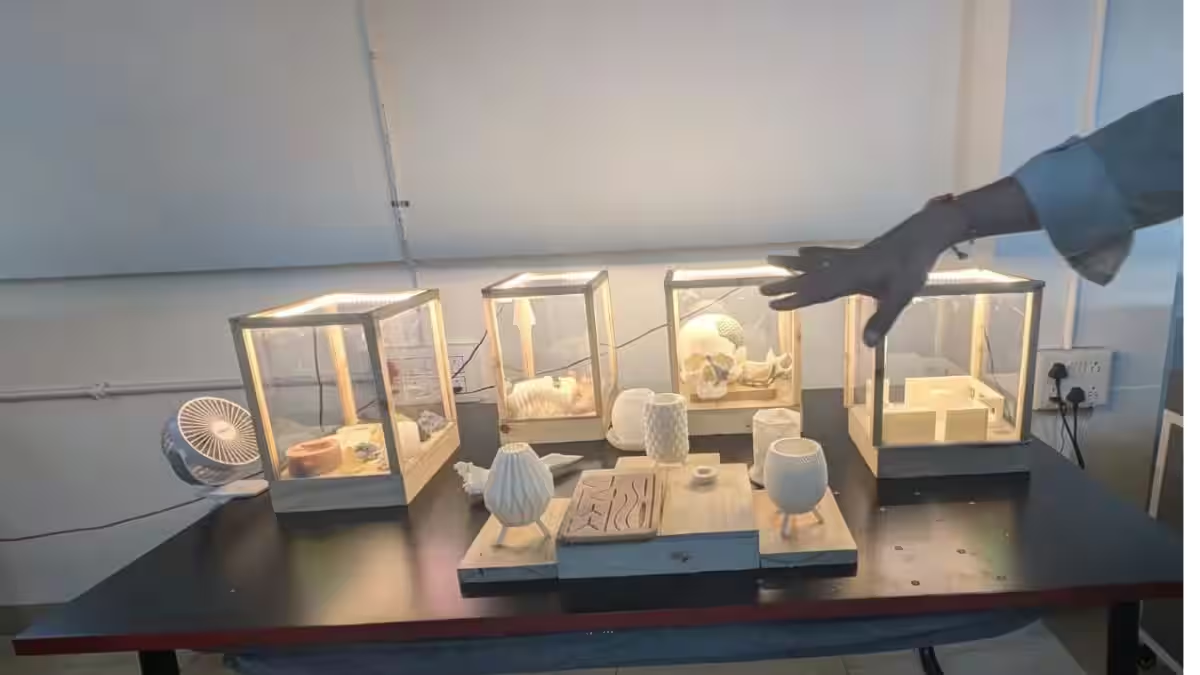
NIT Karnataka Surathkal has created an entrepreneurship model that goes beyond traditional incubators by embedding startup support directly into the classroom and campus culture. This approach helps students develop real-world skills and launch startups while still pursuing their engineering degrees.
- NIT Karnataka Surathkal supports student startups with grants, mentorship, and access to labs.
- The institute integrates design thinking and entrepreneurship courses into the BTech curriculum.
- NIT K guides other NITs to build innovation ecosystems and plans inter-NIT pitching events.
- Students receive seed funding up to Rs 1 lakh and access to office space and labs.
- Challenges include uneven infrastructure and funding across NITs, but collaboration aims to address this.
How does NIT Karnataka Surathkal support student entrepreneurship?
NIT Karnataka Surathkal offers a comprehensive system that includes financial grants, mentorship, and practical resources. The STEP Launchpad program awards seed grants up to Rs 1 lakh to promising student teams, providing three months to develop their ideas. Students also gain access to mentors, alumni networks, and potential investors. Beyond funding, they can use relevant labs and office space at minimal cost to refine their products and business models.
What role does the curriculum play in fostering innovation?
The institute integrates entrepreneurship into its academic programs. First-year students learn design thinking to identify problems and apply human-centered design. Since 2016, an open elective on entrepreneurship is available, and recently a "design thinking and prototyping" course was formally introduced into the BTech curriculum. These courses encourage students to develop minimum viable products and pitch their ideas, blending theory with practical experience.
How are student startups progressing at NIT K?
Several startups have emerged from the ecosystem. For example, Potharaveni Shashank Yadav and his co-founder created an online acting audition platform after pitching at the Launchpad event. Another student, Sean Winroyce Pereira, developed ActivBite, a protein breakfast bar, using a Rs 50,000 grant. These ventures have registered companies, hired interns, and begun market testing, demonstrating the model's effectiveness.
What initiatives connect NIT Karnataka Surathkal with other NITs?
NIT K has been tasked with helping other NITs strengthen their innovation and entrepreneurship ecosystems. The institute recently hosted an all-NITs deans conclave to share its model. It plans to organize online and in-person pitching events where startups from different NITs can present ideas, receive feedback, and explore funding. Additionally, a Capacity Building and Design and Entrepreneurship initiative supports seed grants and mentoring across the NIT system.
What challenges do NITs face in promoting entrepreneurship?
While NIT Karnataka Surathkal benefits from strong infrastructure and funding, other NITs face challenges due to uneven resources. Some lack formal incubators or sufficient financial support. However, NIT K’s model emphasizes that entrepreneurial activity can thrive without dedicated incubators by leveraging mentorship, collaboration, and shared platforms. The goal is to enable more students to identify problems and build ventures regardless of their institute’s resources.
How does NIT K balance entrepreneurship with traditional placements?
Although many students show interest in entrepreneurship, campus placements remain a priority for some, limiting time devoted to startups. The entrepreneurship elective attracts many registrations but requires students to develop viable products and pitch ideas, which can be challenging alongside placement preparation. NIT K offers a deferred placement system to provide security and time for students pursuing startups.
What is the future outlook for NIT Karnataka Surathkal’s entrepreneurship model?
NIT K aims to build an inter-NIT startup network that supports ventures from ideation through incubation to market entry. The institute plans to expand mentoring, funding, and collaboration opportunities across the NIT system. Success will be measured not only by startups created on its campus but also by how well the model adapts to institutes with varying levels of support, ultimately fostering a nationwide culture of student entrepreneurship.