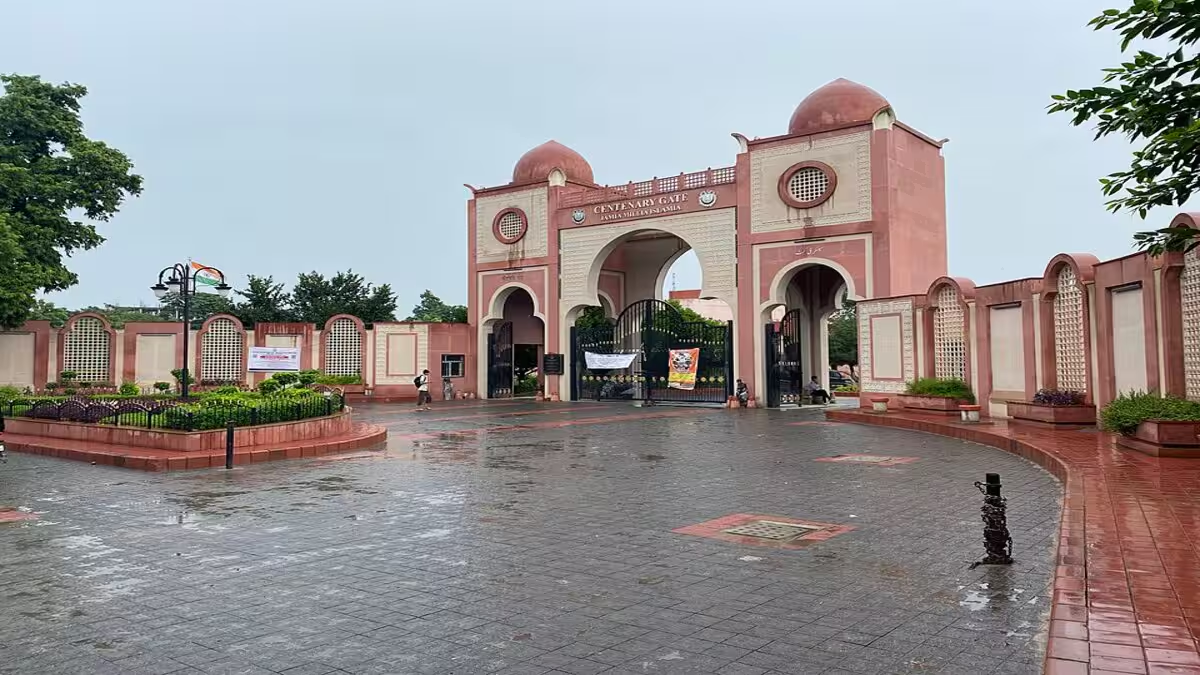
The National Students Union of India (NSUI) at Jamia Millia Islamia (JMI) has called on the university administration to immediately revoke the suspension and campus ban imposed on four students. These students were disciplined following protests against alleged irregularities in the university's spot admission process.
The controversy erupted when students protested on campus, claiming that candidates with lower ranks were admitted over those with higher merit, raising questions about fairness and transparency in the spot admission round. The NSUI has demanded that the university address these concerns and engage in open dialogue with student representatives.
Understanding the Spot Admission Process at JMI
Spot admissions are a last-chance opportunity for candidates to secure seats in university programs after the main admission rounds conclude. At JMI, this process is crucial for filling remaining vacancies across various courses. However, it requires strict adherence to merit lists and transparent criteria to maintain fairness.
In this case, students allege that the university deviated from the established merit order, admitting candidates with lower ranks while denying seats to those who scored higher. Such claims have led to widespread unrest and demands for accountability.
Key Facts About the Suspension and Protests
- Four students—Dhruv (NSUI JMI vice president), Tabrez (NSUI JMI general secretary), Ebin (NSUI JMI secretary), and Jasim (JMI student)—were suspended and banned from campus following the protests.
- The students submitted written complaints to the controller of examinations questioning the merit lists, waiting lists, and seat allotment criteria used during spot admissions.
- NSUI JMI insists that any disciplinary action must be transparent, fair, and allow students a chance to present their side before penalties are imposed.
- The student group demands the immediate withdrawal of the suspension and campus ban and calls for a constructive dialogue with university authorities.
- NSUI emphasizes that students should not face retaliation for peacefully raising legitimate concerns.
Why This Dispute Matters for JMI Students
This situation highlights broader issues about transparency and fairness in university admissions, which directly affect students’ academic futures. When merit is perceived to be compromised, trust in the institution erodes, leading to protests and unrest.
The suspension of student leaders has further intensified tensions, with NSUI and other groups warning against punitive measures that could suppress democratic expression on campus. They argue that open communication is essential to resolve conflicts and maintain a healthy academic environment.
For JMI, addressing these concerns promptly and fairly is critical to restoring confidence among students and ensuring that admission processes are beyond reproach. The outcome could set a precedent for how similar disputes are handled in the future.
Frequently Asked Questions
Q: What triggered the protests at Jamia Millia Islamia?
A: Students protested against alleged irregularities in the spot admission process, claiming that candidates with lower ranks were admitted over those with higher merit.
Q: Who were the students suspended by JMI?
A: Four students, including NSUI JMI leaders Dhruv, Tabrez, Ebin, and student Jasim, were suspended and banned from campus following their involvement in the protests.
Q: What is NSUI demanding from the university administration?
A: NSUI demands the immediate withdrawal of the suspensions and campus bans, fulfillment of all legitimate student demands, and an open, transparent dialogue between students and university officials.