NTPC Limited, India’s largest power producer, has given the green light to a major investment of ₹20,456.70 crore for the development of the Lara Super Thermal Power Project Stage-III in Chhattisgarh. The approval came from the company’s board of directors during a meeting held on July 11, 2026. This project will add 1,600 megawatts (MW) of power capacity, consisting of two units of 800 MW each, to the national grid.
The announcement has drawn attention to NTPC shares as investors anticipate the impact of this substantial expansion on the company’s future operations and earnings.
Understanding the Lara Super Thermal Power Project
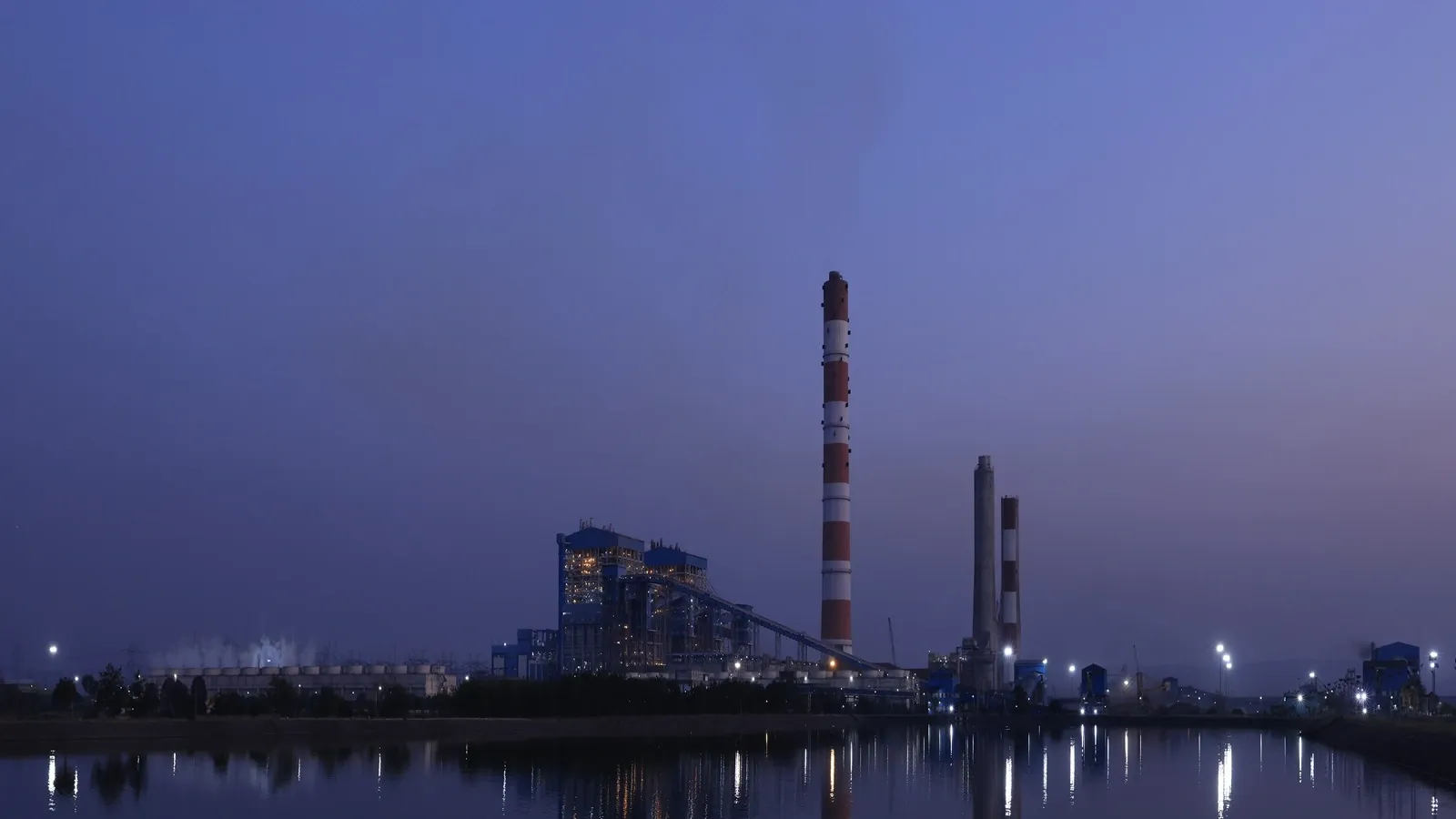
The Lara Super Thermal Power Project is a coal-based power generation facility located in the state of Chhattisgarh, a region known for its rich coal reserves and strategic importance to India’s energy sector. The Stage-III expansion involves installing two additional sub-critical thermal units, each capable of generating 800 MW, bringing the total capacity of the project to 1,600 MW.
Sub-critical thermal technology, which operates at lower pressure and temperature compared to supercritical and ultra-supercritical technologies, is known for its operational flexibility. NTPC has emphasized that these units can operate efficiently at lower loads and adapt to frequent cycling, which is essential for integrating renewable energy sources into the grid.
Key Details of the Investment and Project Plans
- The approved investment amount is ₹20,456.70 crore, reflecting the current estimated cost of the project.
- The project aims to enhance grid stability by enabling sub-critical units to operate at a minimum technical load of 25% and in two shifts, supporting better integration of renewable energy.
- NTPC has previously sought technology partners to improve the flexibility of its sub-critical thermal units, highlighting a strategic focus on blending thermal and renewable energy sources.
- In June 2026, NTPC established a wholly-owned subsidiary, NTPC (Mauritius) Energy Limited, to develop floating solar photovoltaic projects with battery energy storage systems, indicating a broader commitment to renewable energy.
- NTPC’s coal plants achieved a Plant Load Factor (PLF) of 72.04% in FY26, outperforming the national average of 63.20%, demonstrating strong operational efficiency.
- The company reported a consolidated net profit of ₹10,614.95 crore in the March quarter of FY26, a 34% increase compared to the previous year.
- For the full fiscal year 2026, NTPC’s consolidated net profit rose 15% to ₹27,546 crore.
Why This Investment Matters for India’s Energy Future
This significant investment by NTPC reflects the ongoing importance of coal-based power generation in India’s energy mix, even as the country accelerates its renewable energy ambitions. The Lara Stage-III project will help meet growing electricity demand while providing grid stability through flexible operation of thermal units.
NTPC’s focus on enhancing the operational flexibility of sub-critical units is a strategic move to balance the intermittency of renewable sources like solar and wind. By enabling these units to run efficiently at lower loads and in multiple shifts, NTPC aims to optimize the use of both thermal and renewable energy, reducing carbon emissions over time.
Furthermore, the establishment of NTPC (Mauritius) Energy Limited to develop floating solar projects with battery storage signals the company’s commitment to diversifying its energy portfolio and investing in clean energy technologies.
Frequently Asked Questions
Q: What is the capacity of the Lara Stage-III thermal power project?
A: The project will have a total capacity of 1,600 MW, consisting of two units of 800 MW each.
Q: How much is NTPC investing in this project?
A: NTPC’s board has approved an investment of ₹20,456.70 crore for the Lara Stage-III project.
Q: Why is NTPC focusing on sub-critical thermal units?
A: Sub-critical units offer greater operational flexibility, allowing them to run efficiently at lower loads and adapt to frequent cycling, which helps integrate renewable energy sources into the grid more effectively.