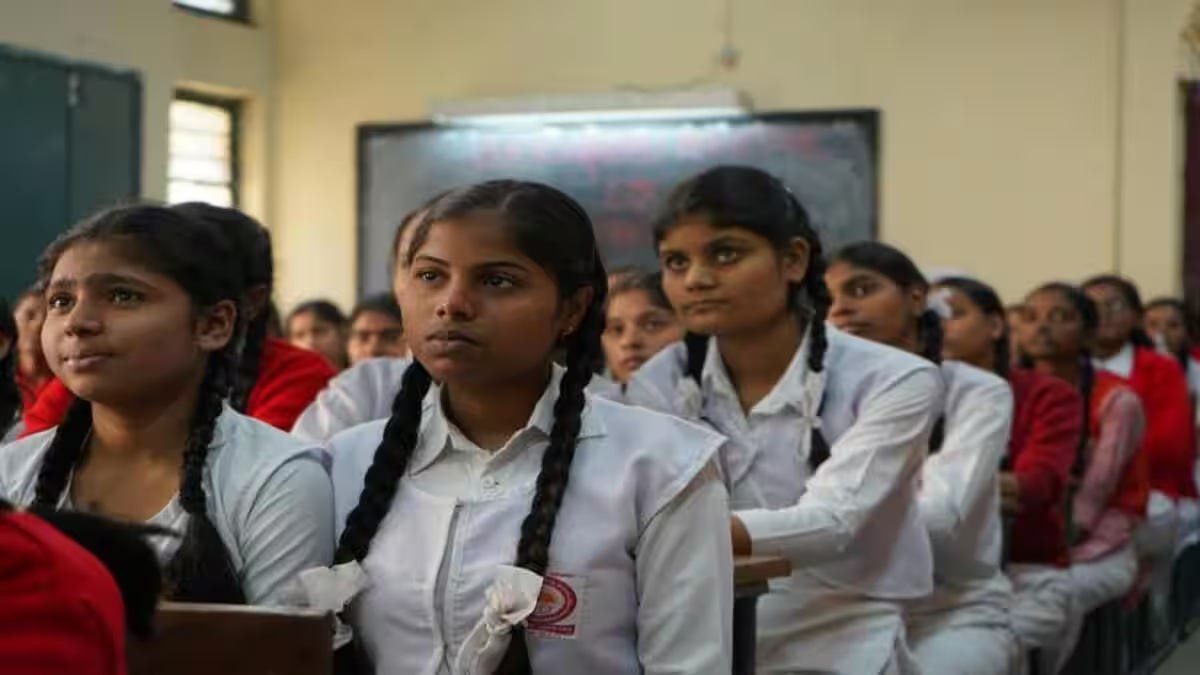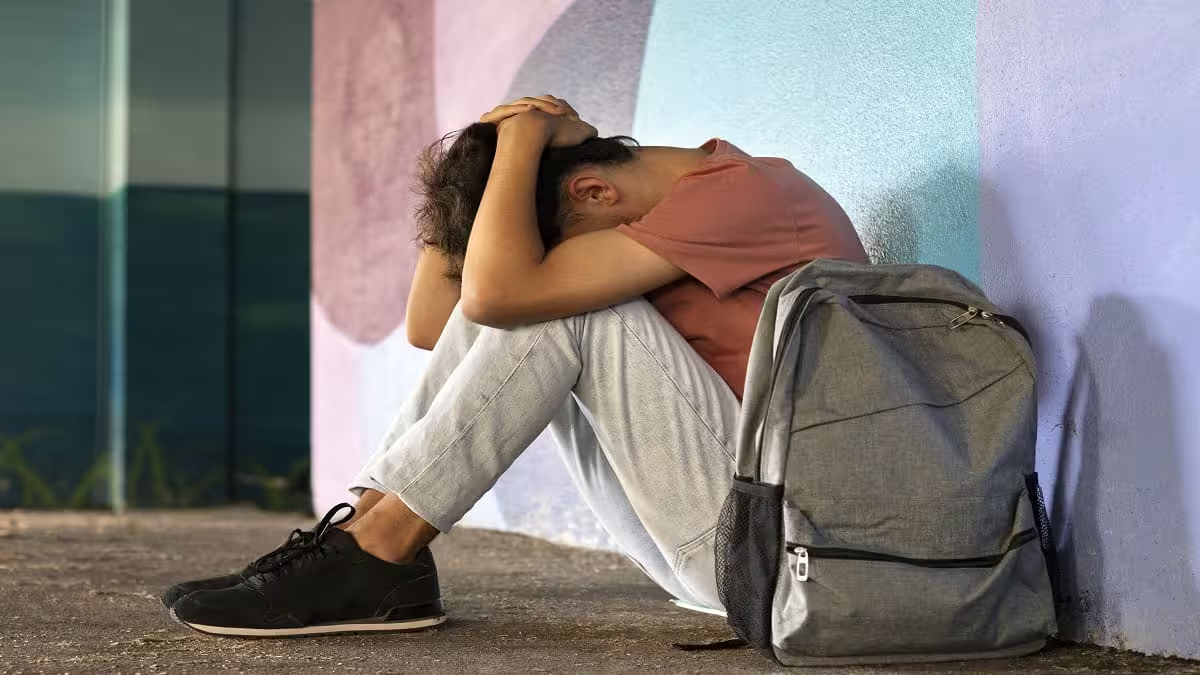
A 19-year-old first-year MBBS student from Osmania Medical College in Hyderabad died by suicide early Sunday morning. The student reportedly jumped from a building in an area under the Uppal police station jurisdiction. Local residents discovered the body and alerted the authorities, who have since launched an investigation into the incident.
Understanding the Context of Student Mental Health
Medical education is widely recognized as demanding and stressful. Students often face intense academic pressure, long hours of study, and emotional challenges. These factors can contribute to mental health struggles, including depression and anxiety. In India, where competition for medical seats is fierce, the pressure to perform can be overwhelming for many students. Unfortunately, mental health support systems are not always readily accessible or adequately emphasized within educational institutions.
Suicide among students is a serious concern that highlights the need for increased awareness and intervention. Young adults, especially those in rigorous academic environments, may experience feelings of isolation or hopelessness. Addressing these issues requires coordinated efforts from colleges, families, and mental health professionals.
Details Surrounding the Incident
- The deceased was a 19-year-old first-year MBBS student at Osmania Medical College.
- The body was found early Sunday in an area under Uppal police station limits in Hyderabad.
- Initial police reports suggest the student may have been suffering from depression, though no suicide note was found at the scene.
- A formal case has been registered by the police to investigate the circumstances of the death.
- The Telangana Junior Doctors Association (T-JUDA) has expressed condolences over the loss.
Why This Incident Highlights the Need for Mental Health Support
This tragic event underscores the critical importance of mental health awareness and support within educational institutions, especially in high-pressure fields like medicine. Students often hesitate to seek help due to stigma or lack of resources. Institutions must prioritize mental health services, including counseling and peer support programs, to help students cope with stress and emotional difficulties.
Families and peers also play a vital role in recognizing signs of distress and encouraging affected individuals to seek professional help. Early intervention can prevent such tragedies and promote healthier coping mechanisms.
Helplines and organizations are available to provide support for individuals experiencing suicidal thoughts or emotional distress. It is crucial for those at risk or their loved ones to reach out for assistance promptly.
Frequently Asked Questions
Q: What are common signs of depression among students?
A: Signs can include persistent sadness, withdrawal from social activities, changes in sleep or appetite, loss of interest in hobbies, and difficulty concentrating. Recognizing these signs early can help in seeking timely support.
Q: How can students access mental health support?
A: Many colleges offer counseling services. Additionally, helplines and mental health organizations provide confidential assistance. Friends and family can also help by encouraging open conversations about mental health.
Q: What should someone do if they suspect a friend is at risk of suicide?
A: It is important to listen without judgment, encourage them to seek professional help, and, if necessary, contact mental health professionals or helplines for immediate support.