Over 400 alumni of NALSAR University of Law have publicly criticized the Bar Council of India (BCI) following its controversial decision to bar the 2026 graduating batch from enrolling as advocates. The BCI had also ordered an inquiry demanding a report that named faculty and students who voiced opposition to inviting Chief Justice of India Surya Kant as the convocation's chief guest. This decision sparked widespread backlash and was later withdrawn.
Background on the NALSAR-BCI Dispute
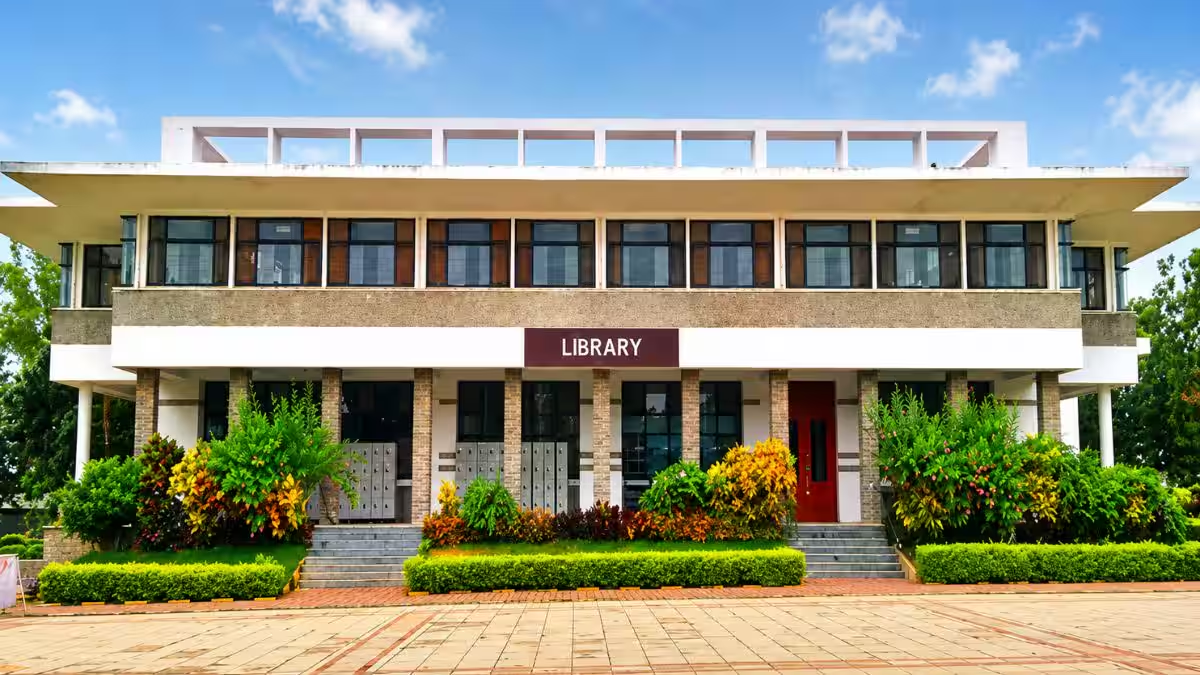
NALSAR University of Law, located in Hyderabad, is one of India’s premier legal education institutions. In July, some students sent emails to the university’s Vice Chancellor and faculty members expressing their objections to inviting the Chief Justice of India, Surya Kant, as the chief guest for the upcoming convocation ceremony. The date of the convocation has not been announced yet.
In response, on August 13, the Bar Council of India issued a letter barring the 2026 batch of NALSAR graduates from enrolling as advocates, pending an inquiry into the matter. The BCI also requested a detailed report naming those responsible for opposing the invitation. This move was seen by many as an unprecedented interference in university affairs and a suppression of free speech.
Key Facts About the Controversy
- Over 400 NALSAR alumni signed an open letter condemning the BCI’s initial order and inquiry demand.
- The alumni accused the BCI of attempting to persecute students and faculty members for exercising their right to free speech.
- The BCI’s letters were criticized for lacking empathy toward students’ mental health and for being arbitrary and heavy-handed.
- The Bar Council later withdrew both the enrollment ban and the inquiry request after public outcry.
- Chief Justice Surya Kant himself reprimanded the BCI for its actions against the students.
- The alumni emphasized that the BCI has no jurisdiction over free speech matters within university campuses.
Why This Conflict Matters for Legal Education
This episode highlights the tension between regulatory authorities and academic freedom within legal education in India. The alumni’s strong reaction underscores concerns that the BCI’s approach could intimidate students and faculty, discouraging open dialogue and dissent on campus. The use of coercive measures by a statutory body to silence criticism raises questions about the balance between maintaining professional standards and respecting constitutional rights.
Moreover, the incident has sparked a broader conversation about the role of the Bar Council in regulating not just legal education quality but also the conduct and expression of law students. The backlash and subsequent reversal by the BCI demonstrate the power of collective voices in defending democratic principles within educational institutions.
For the students involved, the controversy has brought significant stress and uncertainty about their future careers. The alumni’s letter pointed to the mental health impact of the BCI’s threats and the chilling effect on free speech. This case may set a precedent for how similar disputes are handled in the future, emphasizing dialogue over punitive actions.
Frequently Asked Questions
Q: Why did the Bar Council of India bar NALSAR 2026 graduates from enrolling as advocates?
A: The BCI issued the ban after some students opposed inviting Chief Justice Surya Kant as the convocation’s chief guest. The council demanded an inquiry and report identifying those responsible before allowing enrollment.
Q: What was the response from NALSAR alumni?
A: More than 400 alumni condemned the BCI’s order, calling it an attempt to suppress free speech and an overreach of authority. They criticized the mental health impact and lack of empathy shown by the BCI.
Q: Has the Bar Council reversed its decision?
A: Yes, following widespread criticism and a rebuke from Chief Justice Surya Kant, the BCI withdrew both the enrollment ban and the inquiry request.