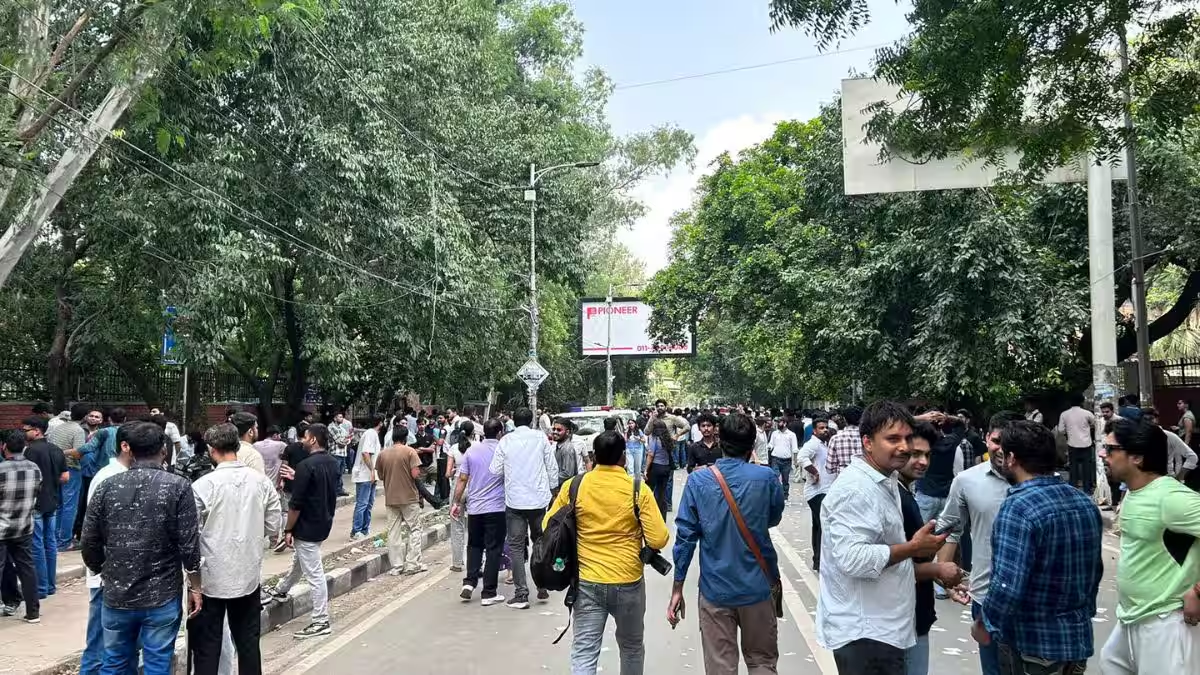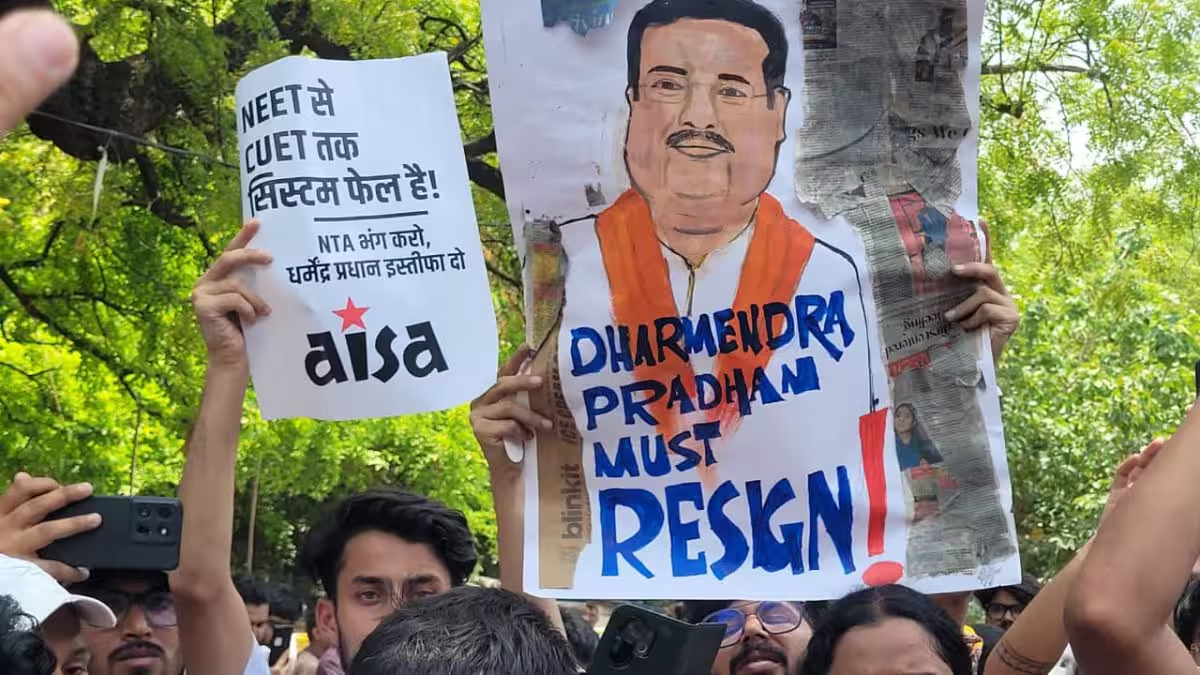
The Indian government is set to introduce a draft amendment to strengthen laws against examination paper leaks, proposing significantly harsher punishments and faster legal processes. This move comes after widespread protests led by the Cockroach Janata Party (CJP) over the recent National Eligibility cum Entrance Test (NEET) paper leak scandal, which also prompted the resignation of Education Minister Dharmendra Pradhan.
The amendment aims to deter cheating and paper leaks by increasing jail terms, raising fines, and establishing special task forces and fast-track courts to handle these cases swiftly.
Why Exam Paper Leaks Are a Serious Concern
Examination paper leaks undermine the integrity of public exams, which are crucial for admissions and government job selections across India. The National Eligibility cum Entrance Test (NEET) is one of the most important exams for medical college admissions, and leaks compromise fairness and trust in the system. The Public Examinations (Prevention of Unfair Means) Act, passed in 2024, already made leaking question papers and related offenses non-bailable crimes, but recent leaks revealed gaps in enforcement.
Public examinations covered by this law include major tests conducted by the central government, such as those by the Union Public Service Commission (UPSC). Despite the 2024 legislation, the NEET exam experienced a significant leak in 2024, triggering demands for stricter measures and reforms within the National Testing Agency (NTA), the body responsible for conducting these exams.
Key Changes Proposed in the Amendment Bill
- The minimum jail term for those involved in leaking or unfair practices is raised from seven years to a minimum of five years, with a maximum of 10 years imprisonment.
- Financial penalties for offenders will increase dramatically, from Rs 10 lakh to Rs 50 lakh for individuals, and up to Rs 10 crore for organized crimes.
- Service providers involved in leaks face fines up to Rs 5 crore and will be barred from handling any public examination responsibilities for eight years, doubling the previous four-year ban.
- Senior management and directors of implicated firms face imprisonment of five to 10 years and fines up to Rs 5 crore.
- The amendment mandates the creation of a Special Task Force (STF) to investigate paper leaks, with a strict two-month deadline to complete inquiries after a leak is reported.
- Fast-track courts will be established in every state and union territory to ensure speedy trials, with cases ideally resolved within three months of charges being filed.
- Ongoing paper leak cases will be transferred to these special courts, and appeals must be heard by a two-judge bench of the High Court within three months.
How These Changes Affect the Examination System
The proposed amendments reflect the government’s commitment to restoring credibility in India’s examination system. By imposing tougher punishments and speeding up investigations and trials, authorities aim to deter future leaks and punish offenders more effectively. The formation of a Special Task Force specifically dedicated to these cases signals a more focused approach to tackling exam fraud.
Fast-track courts will reduce the backlog of cases and ensure that justice is delivered promptly, which is crucial for maintaining public confidence. The increased fines and longer bans on service providers also target the systemic issues that allow leaks to occur, holding organizations accountable alongside individuals.
These reforms come amid growing public pressure and activism, particularly from youth groups like the CJP, who have demanded transparency and accountability following the NEET leak. The resignation of the education minister underscores the political weight of this issue and the urgency for effective solutions.
Frequently Asked Questions
Q: What penalties does the new amendment propose for exam paper leaks?
A: The amendment proposes jail terms ranging from five to 10 years and fines up to Rs 10 crore for organized crimes related to paper leaks.
Q: How will investigations into paper leaks be handled under the new law?
A: A Special Task Force will be formed to investigate leaks, with a requirement to complete investigations within two months of the incident being reported.
Q: What role will fast-track courts play in these cases?
A: Fast-track courts will be designated in every state and union territory to ensure speedy trials, aiming to conclude cases within three months of filing charges.