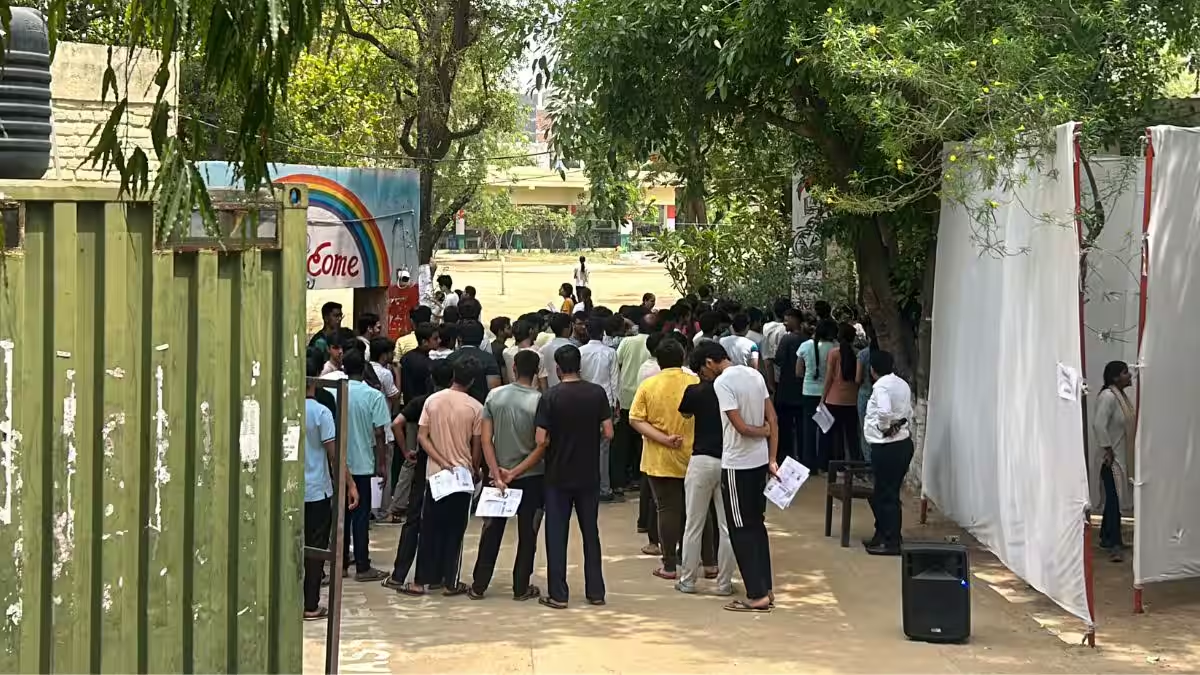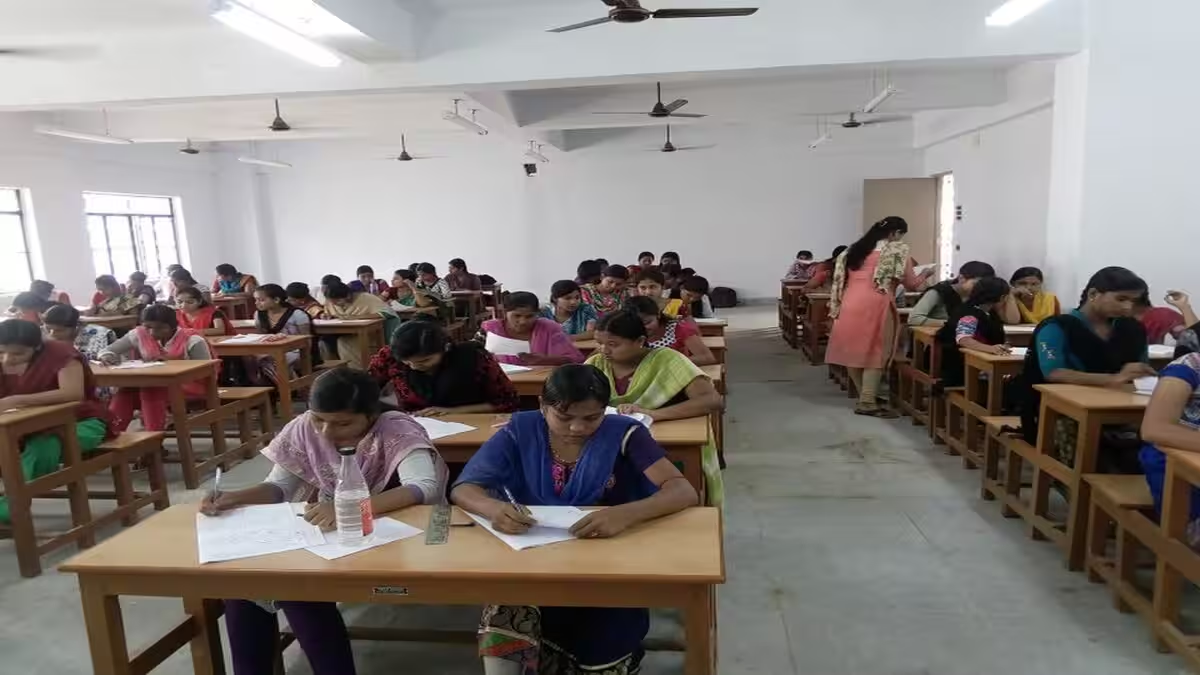
India’s Parliament has passed the Public Examination (Prevention of Unfair Means) Amendment Bill, 2026, aimed at curbing the widespread issue of exam paper leaks. The bill was approved by the Rajya Sabha on Thursday, following its clearance by the Lok Sabha the previous day. It now awaits the President’s approval to become law. Prime Minister Narendra Modi hailed the legislation as a fulfillment of government promises to ensure fair and transparent public examinations.
Exam Paper Leaks and the Need for Reform
Exam paper leaks have long been a challenge in India’s education system, undermining the credibility of public examinations and threatening the future of millions of students. These leaks allow unfair advantages, compromising merit-based selection and damaging trust in academic institutions. The government has recognized the urgency of addressing this issue comprehensively to protect students’ aspirations and uphold the integrity of exams.
Prime Minister Modi emphasized the necessity of reform, stating that the government’s goal is to establish a robust mechanism to prevent malpractice and ensure that those involved in cheating face strict consequences. This move reflects a broader effort to strengthen the education system and maintain public confidence in exam outcomes.
Key Provisions of the Amendment Bill
- The bill increases penalties for exam paper leaks, with jail terms of up to 10 years.
- Fines range from Rs 50 lakh to Rs 10 crore, depending on the severity of the offense.
- The legislation builds on the earlier Public Examinations (Prevention of Unfair Means) Act, 2024, by introducing stricter measures.
- The government plans to establish fast-track courts dedicated to handling cases related to exam malpractice.
- A task force has been formed to oversee the implementation of these reforms and coordinate with states to enhance exam security.
Why This Law Matters for Students and the Education System
The passage of this bill marks a significant step toward safeguarding the future of students across India. By imposing tougher punishments and creating specialized judicial processes, the government aims to deter individuals and groups from engaging in paper leaks. This is expected to restore faith in the examination system and ensure that academic achievements reflect genuine merit.
Education Minister Pralhad Joshi described the bill as a vital measure to strengthen the fight against unfair means in exams. The government’s commitment to zero tolerance for malpractice sends a clear message that cheating will not be tolerated, protecting the hard work of honest students.
These reforms come amid growing public concern and protests over exam integrity, highlighting the importance of transparent and merit-based assessments. The government’s approach combines legal deterrents with administrative reforms to create a more secure examination environment.
Frequently Asked Questions
Q: What penalties does the new anti-paper leak bill impose?
A: The bill allows for jail terms of up to 10 years and fines ranging from Rs 50 lakh to Rs 10 crore for those involved in exam paper leaks.
Q: How will the government enforce the new law?
A: The government plans to set up fast-track courts to handle cases related to exam malpractice and has formed a task force to coordinate efforts with states to prevent leaks.
Q: Why is this legislation important for students?
A: It aims to ensure fair and transparent examinations by deterring cheating, thereby protecting the future and aspirations of millions of students across India.