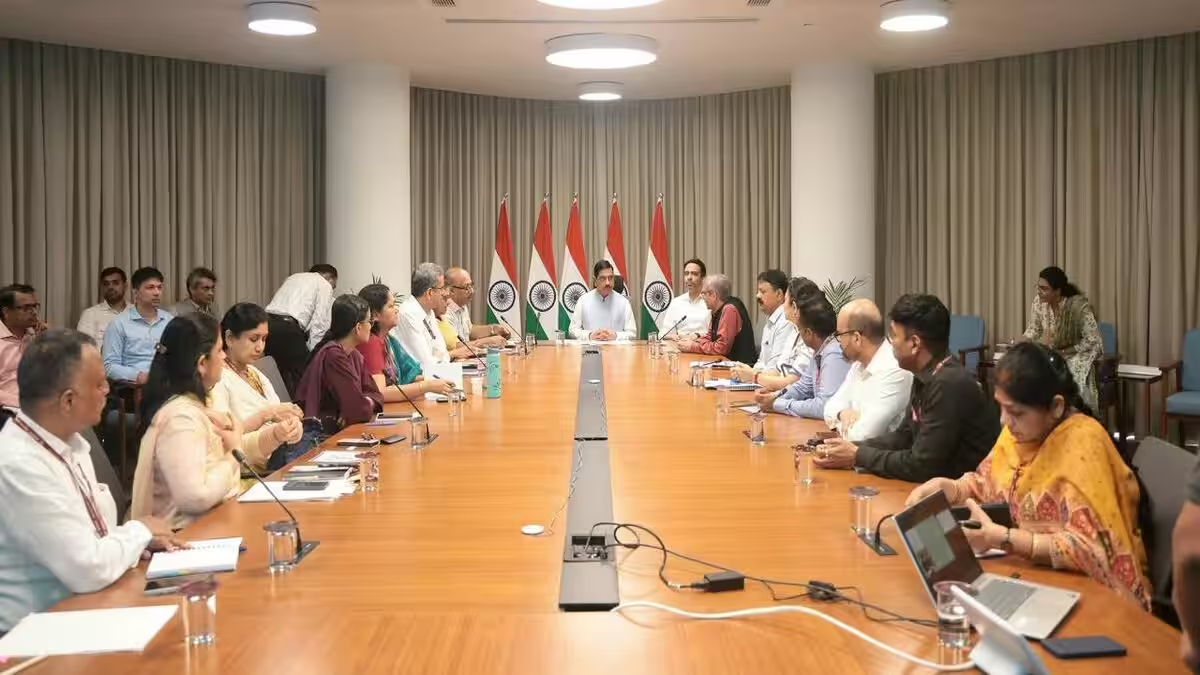
Pralhad Joshi has been appointed as the new Union Minister for Education, taking over the role just one day after Dharmendra Pradhan stepped down. Pradhan’s resignation came amid widespread protests led by the Cockroach Janata Party (CJP), a student movement demanding significant changes in the education system. Joshi expressed gratitude to Prime Minister Narendra Modi for entrusting him with this responsibility, emphasizing his commitment to the role.
What Sparked the Change in Leadership?
The transition in the education ministry followed weeks of unrest across India, where students rallied against systemic issues in education. The CJP, initially an online campaign, evolved into a nationwide protest movement calling for reforms and a fresh approach to managing education. Their demands included addressing the rising costs of education, preventing exam paper leaks, and improving the overall quality and accessibility of the system.
On July 25, after five weeks of sustained protests, the CJP officially called off their demonstrations, marking a significant moment in the movement. The resignation of Dharmendra Pradhan was seen as a direct response to these demands, signaling the government’s willingness to listen to student voices.
Key Facts About the Transition and Protests
- Pralhad Joshi announced his appointment on his social media account, acknowledging the Prime Minister’s trust.
- The Cockroach Janata Party (CJP) began as an online campaign before becoming a prominent student protest group.
- The protests focused on issues like exam paper leaks, high education costs, and the need for systemic reforms.
- Student activists, including those from Ghaziabad and other regions, voiced hopes that the new minister would bring meaningful change.
- Educationist Sonam Wangchuk supported the protests and undertook a hunger strike demanding reforms and Pradhan’s resignation.
- The CJP launched a website to document alleged police brutality during the protests, highlighting concerns over law enforcement responses.
Why Joshi’s Appointment Matters to Students and the Education Sector
Joshi’s appointment comes at a critical juncture for India’s education system, which faces challenges such as affordability, quality, and integrity of examinations. Students who participated in the protests have expressed cautious optimism that new leadership will address these long-standing issues. The demand for a transparent and effective education system reflects broader concerns about access and fairness.
Observers note that Joshi’s role will involve balancing immediate reforms with long-term policy planning. The government’s response to the protests, including the acceptance of Pradhan’s resignation, indicates a recognition of the urgency to reform. However, the real test will be in the implementation of policies that can prevent incidents like paper leaks and reduce the financial burden on students.
Activists and students alike are watching closely to see if Joshi can deliver on promises of change and restore confidence in the education system. The movement led by the CJP has demonstrated the power of student voices in shaping national policy discussions.
Frequently Asked Questions
Q: Why did Dharmendra Pradhan resign as education minister?
A: Dharmendra Pradhan resigned following nationwide student protests led by the Cockroach Janata Party, which demanded reforms in the education system and a new ministerial leadership.
Q: What are the main demands of the Cockroach Janata Party protests?
A: The CJP called for reforms to prevent exam paper leaks, reduce the high cost of education, and improve the overall quality and accessibility of the education system.
Q: What challenges does Pralhad Joshi face as the new education minister?
A: Joshi must address systemic issues such as exam integrity, affordability, and quality of education while responding to student demands and restoring trust in the ministry.