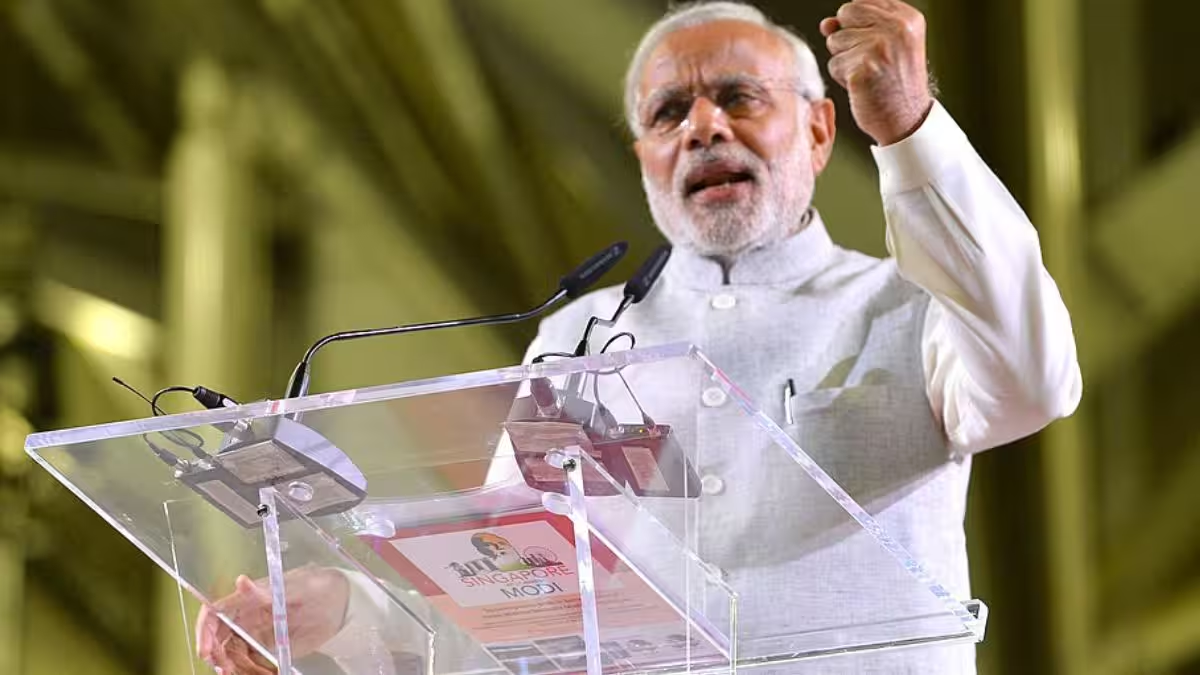
Prime Minister Narendra Modi emphasized the importance of involving young people and universities in the policymaking process during a high-level meeting with government secretaries on Thursday in New Delhi. He highlighted the need for fresh ideas and collective efforts to address complex challenges, drawing on lessons from the COVID-19 pandemic and recent geopolitical crises.
Why Youth and Universities Matter in Policymaking
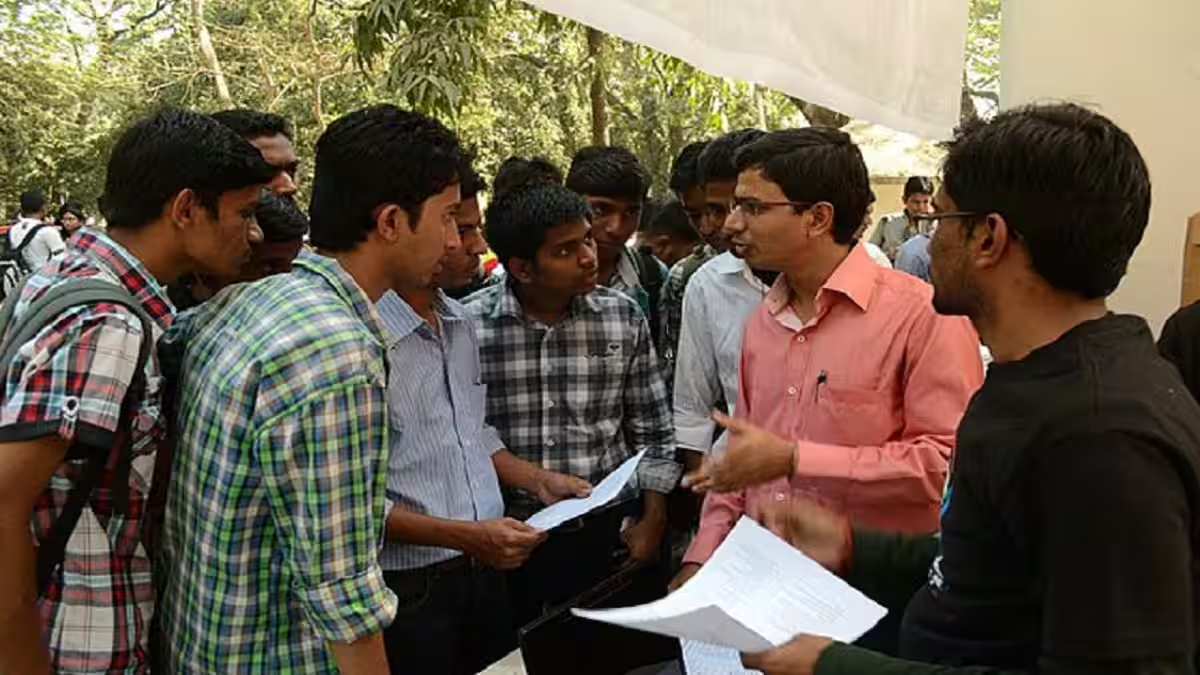
Modi’s call for greater engagement between government departments, educational institutions, and the youth reflects a push to bring diverse perspectives into decision-making. He believes that involving students and academic experts can generate innovative solutions that traditional bureaucratic approaches might overlook. This outreach comes amid recent student protests over the NEET exam paper leak, which sparked nationwide demonstrations and led to the resignation of the education minister.
The prime minister has actively communicated with students via social media, signaling a willingness to listen and incorporate their views. By fostering collaboration with universities, Modi aims to tap into research capabilities and youthful energy to drive policy reforms and national development.
Key Points from Modi’s Meeting with Secretaries
- Modi stressed the strategic use of data and artificial intelligence (AI) across government sectors to enhance efficiency and decision-making.
- He urged secretaries to adopt a long-term vision beyond immediate statistics, focusing on shaping India’s future trajectory.
- The prime minister highlighted the problem of organizational silos and called for breaking down barriers between departments to improve coordination.
- He emphasized human judgment alongside AI, describing data as a vital national asset that requires careful management and interoperability.
- Modi called for increased research and innovation, especially in defense, to boost India’s global competitiveness.
- He discussed strengthening India’s maritime sector, noting the recent infrastructure status granted to shipbuilding and the need to shift from port development to port-led development.
- Connectivity between manufacturing and export units was identified as crucial for maximizing the benefits of maritime infrastructure.
- The prime minister encouraged senior officials to build stronger informal networks with junior colleagues and across departments to enhance collaboration.
How This Approach Could Transform Governance
Modi’s emphasis on integrating youth and academic institutions into policymaking signals a shift toward more inclusive and innovative governance. By leveraging AI and data analytics, the government aims to make policies more evidence-based and forward-looking. Breaking down departmental silos could lead to faster implementation and better resource utilization.
The focus on maritime development and defense research aligns with India’s broader goals of economic growth and strategic autonomy. Encouraging informal networks among officials may foster a culture of cooperation and shared responsibility, which is essential for tackling complex national challenges.
Overall, Modi’s vision seeks to create a dynamic ecosystem where government, academia, and young citizens collaborate to build a resilient and progressive India.
Frequently Asked Questions
Q: Why is Prime Minister Modi focusing on youth and universities in policymaking?
A: Modi believes that involving young people and academic institutions brings fresh ideas and innovation to government policies, helping address challenges more effectively.
Q: What role does artificial intelligence play in Modi’s vision?
A: AI is seen as a critical tool for improving data use, enhancing decision-making, and driving innovation across various sectors, while still requiring human oversight.
Q: How does Modi want to improve coordination within the government?
A: He encourages breaking down silos between departments, fostering informal networks among officials, and promoting collective ownership of responsibilities to enhance efficiency.