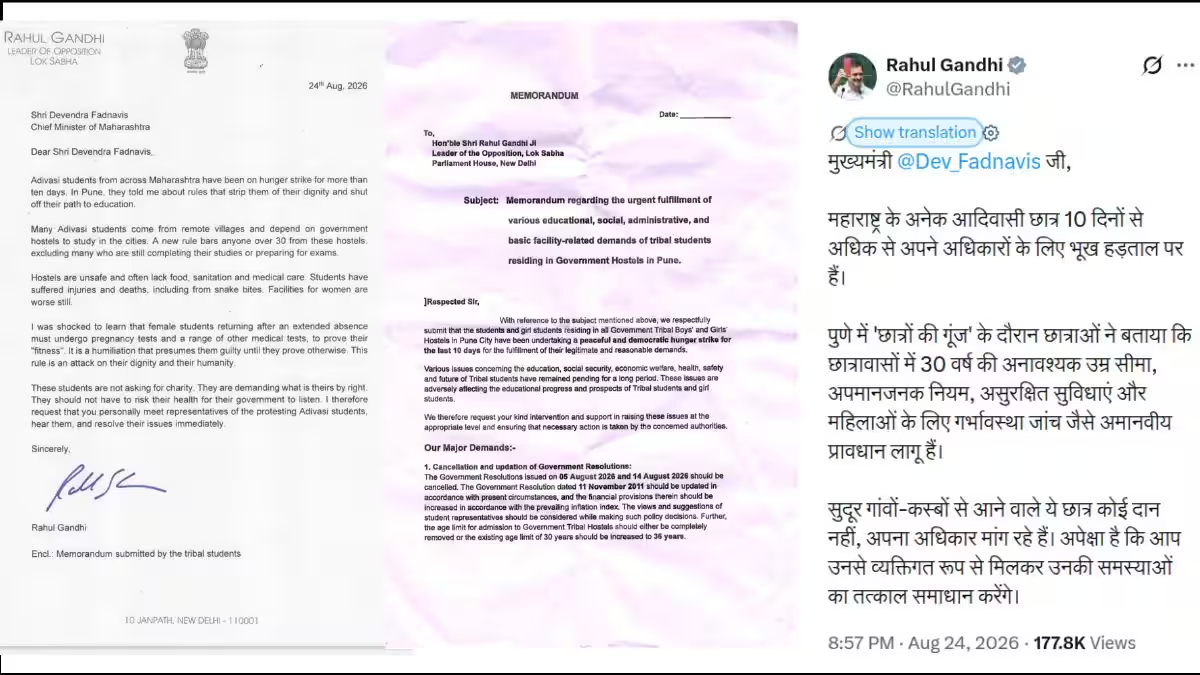
Congress leader Rahul Gandhi has appealed to Maharashtra Chief Minister Devendra Fadnavis to address the concerns of tribal students who have been on a hunger strike for over ten days. These students are protesting against strict age limits and what they describe as humiliating and unsafe conditions in government-run hostels across the state.
Gandhi's letter urges the Chief Minister to meet the students personally and resolve their grievances promptly, highlighting the urgent need to relax harsh rules such as the 30-year age limit for hostel residency.
Understanding the Tribal Students' Protest
The protest involves tribal students from various remote villages and towns in Maharashtra who rely on government hostels to pursue their education in cities. These hostels are critical for students who otherwise lack access to safe and affordable accommodation. However, the students have raised serious concerns about the rules and conditions imposed on them.
One key issue is the age limit rule, which prohibits anyone over 30 years old from staying in these hostels. Many students, especially those continuing higher education or preparing for competitive exams, find this restriction unfair and exclusionary. Additionally, female students have reported invasive and degrading practices such as mandatory pregnancy tests after extended absences, which they say violate their dignity.
Key Facts About the Hostel Conditions and Rules
- Tribal students have been on hunger strike for more than ten days demanding their rights.
- The government hostels enforce a strict age limit of 30 years, barring older students from residency.
- Hostels reportedly suffer from unsafe conditions, including poor sanitation, inadequate food, and lack of medical care.
- There have been incidents of injuries and even deaths, including snake bites, within hostel premises.
- Female students face additional challenges, such as mandatory pregnancy and other medical tests, which they describe as humiliating.
- Students emphasize they are not seeking charity but their rightful entitlements to education and safe accommodation.
Why This Protest Highlights Broader Issues in Education Access
The hunger strike by tribal students shines a light on systemic problems in Maharashtra’s public education infrastructure, particularly for marginalized communities. Government hostels are meant to support students from underprivileged backgrounds, but the current rules and conditions appear to undermine that goal.
The age limit excludes many adult learners who are pursuing education later in life or facing delays due to socio-economic challenges. Unsafe facilities and humiliating policies, especially towards women, discourage students from continuing their studies and risk their well-being.
Rahul Gandhi’s intervention underscores the political and social urgency of addressing these issues. By calling for a personal meeting between the Chief Minister and the protesting students, Gandhi is pressing for immediate reforms that respect the dignity and rights of tribal students and ensure safe, accessible education for all.
Frequently Asked Questions
Q: What are the main complaints of the tribal students protesting in Maharashtra?
A: The students are protesting against a strict age limit of 30 years for hostel residency, unsafe living conditions, lack of proper food and medical care, and humiliating rules such as mandatory pregnancy tests for female students.
Q: Why is the age limit of 30 years a problem for these students?
A: Many tribal students continue their education or prepare for competitive exams beyond the age of 30. The age restriction excludes them from government hostels, which are often their only affordable housing option.
Q: What has Rahul Gandhi requested from the Maharashtra government?
A: Rahul Gandhi has urged Chief Minister Devendra Fadnavis to meet the protesting students personally and to take immediate steps to relax harsh hostel rules and improve living conditions, ensuring the students’ rights and dignity are protected.