RBI Proposes New Lending Rules for Urban Co-operative Banks
The Reserve Bank of India has released draft rules to change how Urban Co-operative Banks can lend money. These changes aim to increase the ceiling for unsecured loans and adjust some conditions for housing and consumer loans.
3 min read210 views
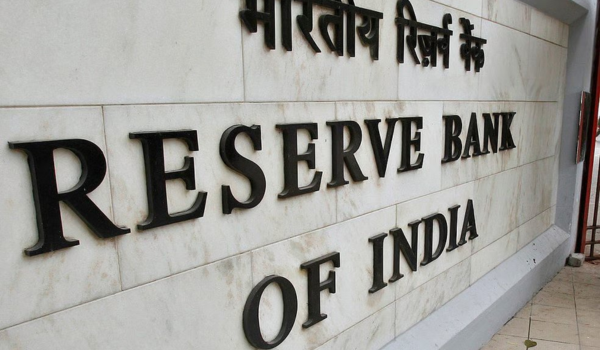
The Reserve Bank of India, or RBI, has announced plans to amend rules for Urban Co-operative Banks, or UCBs. These banks are small financial institutions that serve local communities. The RBI’s draft proposals were released on February 10, 2026, and they seek to modify current lending standards.
The main purpose of these proposed changes is to allow UCBs to lend more money without security (called unsecured advances). Currently, the total amount of unsecured loans a bank can give is limited to 10% of its total assets. The draft proposes doubling this limit to 20%. This means UCBs could lend a larger share of their assets without asking for collateral.
However, there are rules to control how much can be lent beyond this 20% limit. Extra unsecured loans are allowed only if they are for priority sectors, like small businesses or low-income households. In such cases, the amount a borrower can get is capped at ₹50,000.
The draft also details limits for loans to individuals. For unsecured personal loans, UCBs are suggested to set maximum amounts based on their tiers. Tier 1 banks could lend up to ₹5 lakh per individual, Tier 2 up to ₹7.5 lakh, and Tiers 3 and 4 up to ₹10 lakh.
For loans meant for buying durable consumer goods, the maximum amount per borrower is proposed to be increased to ₹2.5 lakh.
In the case of housing loans, specific rules are proposed. UCBs classified as Tier 1 and Tier 2 would have to limit the term of these loans to 20 years, including any grace or moratorium period, which should not be longer than 18 months. This is to ensure loans are repaid within a reasonable time period.
For Tier 3 and Tier 4 banks, the rules give the banks the flexibility to decide how long housing loans should be, as long as their board approves the policies.
Another important rule concerns moratoriums, or periods during which borrowers do not have to make payments. Moratoriums would only be allowed for construction loans. They would not be permitted for loans to buy completed houses.
The proposed amendments are scheduled to take effect from October 1, 2026. However, they could be implemented earlier if UCBs adopt the rules fully before that date.
The RBI has requested feedback from the public on these draft rules. Comments are open until March 4, 2026. This period allows stakeholders and interested parties to review and suggest changes to the proposed amendments.
These new rules are important because they aim to balance the need for UCBs to increase lending with the necessity to maintain financial stability. By allowing a higher share of unsecured loans, UCBs might serve their customers better, especially in providing quick access to credit for small loans.
At the same time, the restrictions on loan terms for housing and the limits on moratorium periods help keep lending practices safe and manageable. These steps are part of the ongoing effort by the RBI to regulate and improve the functioning of smaller financial institutions in India.
In conclusion, the proposed amendments represent a significant change in how Urban Co-operative Banks can operate. The final rules will depend on the feedback received and the decision by the RBI. These adjustments are intended to support the growth of local banking institutions while controlling risks to the financial system.