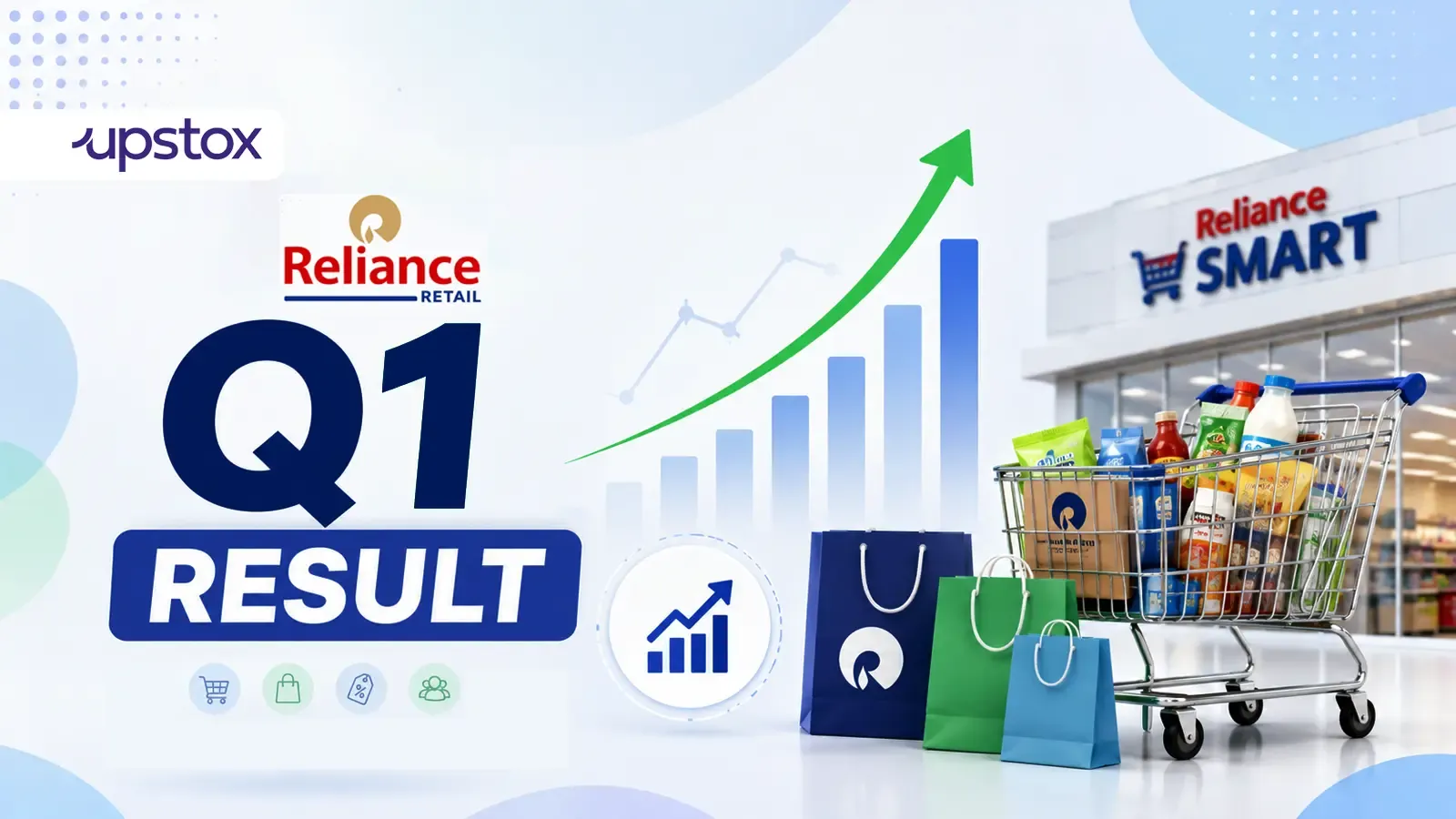
Reliance Retail reported an 8.2% increase in revenue from operations for the first quarter of fiscal year 2027, reaching ₹79,745 crore compared to ₹73,720 crore in the same period last year. Despite this growth in sales, the company’s profit fell by 14%, and its operating margin shrank, signaling challenges in maintaining profitability amid rising costs.
The company, led by Isha Ambani, posted a profit of ₹3,271 crore in Q1 FY27, down from the previous year’s figures. While revenue climbed steadily, the earnings before interest, tax, depreciation, and amortization (EBITDA) slipped slightly, reflecting tighter margins in its retail operations.
Understanding Reliance Retail’s Business Model
Reliance Retail is a major division of Reliance Industries Limited (RIL), one of India’s largest conglomerates. It operates a vast network of stores across multiple formats, including grocery, fashion, electronics, and lifestyle products. The company’s revenue streams come from both physical stores and online platforms, catering to a wide consumer base across urban and rural India.
The retail sector in India is highly competitive, with players facing pressure from e-commerce giants and changing consumer preferences. Reliance Retail’s strategy involves expanding its footprint, integrating technology, and offering a diverse product range to capture market share.
Key Financial Highlights from Q1 FY27
- Revenue from operations increased by 8.2% year-on-year to ₹79,745 crore.
- Gross revenue for the quarter was ₹90,408 crore, up 7.4% compared to the previous year.
- Profit declined by 14% year-on-year, with net earnings at ₹3,271 crore.
- EBITDA stood at ₹6,309 crore, a slight 1.1% decrease from ₹6,381 crore in Q1 FY26.
- EBITDA margin contracted by 80 basis points to 7.9%, down from 8.7% in the same quarter last year.
- Despite the margin contraction year-over-year, the EBITDA margin remained stable compared to the previous quarter.
Why the Profit Decline Matters for Reliance Retail
The dip in profit and shrinking EBITDA margin suggest that Reliance Retail is facing cost pressures that are not fully offset by its revenue growth. Factors such as inflation, supply chain disruptions, and increased competition may be squeezing margins. This scenario highlights the challenges of balancing expansion with profitability in a dynamic retail environment.
For investors and market watchers, the results indicate that while Reliance Retail continues to grow its top line, it must focus on operational efficiencies to sustain earnings growth. The stable sequential EBITDA margin offers some reassurance that the company is managing its costs effectively in the short term.
Looking ahead, Reliance Retail’s ability to innovate, optimize its supply chain, and leverage its digital platforms will be critical to improving profitability and maintaining its leadership position in India’s retail sector.
Frequently Asked Questions
Q: What caused the decline in Reliance Retail’s profit despite higher revenue?
A: The profit decline is mainly due to increased operational costs and margin pressures, which outweighed the benefits of higher sales revenue.
Q: How significant is the EBITDA margin contraction for the company?
A: The EBITDA margin fell by 80 basis points year-on-year to 7.9%, indicating tighter profitability, though it remained stable compared to the previous quarter.
Q: What does this financial performance mean for Reliance Retail’s future?
A: While revenue growth continues, Reliance Retail needs to improve cost management and operational efficiency to enhance profitability and sustain long-term growth.