Russia Supports India's BRICS Agenda Focused on Security and Economic Reforms
Russian Foreign Minister Sergey Lavrov has announced Russia's support for India's priorities at the upcoming BRICS summit, including counter-terrorism, energy security, and economic reforms. He also discussed cooperation on new technologies and international financial systems.
3 min read230 views
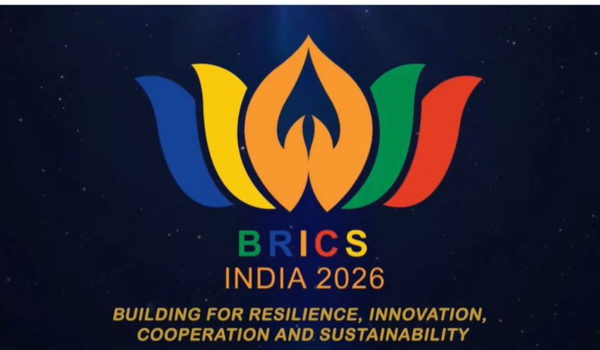
Russia plans to actively support India's agenda for the BRICS summit, focusing on issues like counter-terrorism, energy security, and economic reforms. This was stated by Russian Foreign Minister Sergey Lavrov on February 9, 2026. His comments highlight Russia’s commitment to work with India and other BRICS countries to address these global challenges.
Key highlights of Lavrov’s statements include support for India's emphasis on fighting terrorism, especially in regions like Afghanistan and along the India-Pakistan-Afghanistan corridor. Lavrov mentioned ongoing collaboration with India at the United Nations to develop a global counter-terrorism convention. This cooperation shows the shared concern among BRICS nations about terrorism and their efforts to strengthen international efforts against it.
In addition to security issues, Lavrov stressed the importance of energy security. He pointed out actions taken by the previous US administration that have impacted the global energy sector, emphasizing the need for stable energy supplies. This demonstrates Russia’s interest in maintaining a secure energy environment as part of broader international stability.
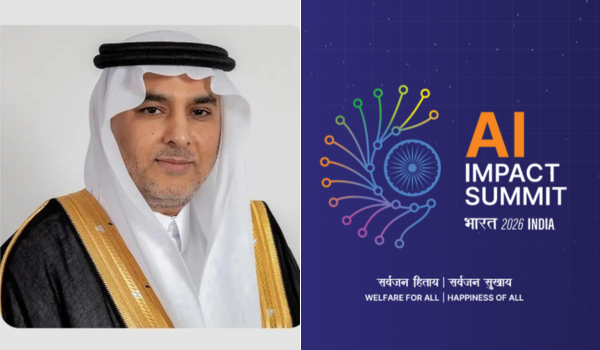
Lavrov also highlighted India's focus on Information and Communication Technology (ICT) security. He noted India’s upcoming artificial intelligence (AI) summit, which Russia is invited to and actively supports. Russia agrees on the importance of setting norms for AI use between countries and within individual states. These norms can help regulate behaviors that could affect security, especially since some countries are exploring military applications of AI.
While supporting the development of AI standards, Lavrov emphasized that BRICS members will not accept violations of their sovereignty. Transparency in how AI is used, especially in military contexts, remains very important. This approach aims to prevent any infringement of national sovereignty while promoting responsible development and use of new technologies.
Regarding global financial systems, Lavrov clarified that Russia does not favor abolishing major international financial institutions like the International Monetary Fund, the World Bank, or the World Trade Organization. Instead, Russia supports reforms that ensure fair representation for BRICS countries within these organizations. This position addresses concerns about current governance structures that some countries feel are biased against developing nations.
Lavrov also addressed the issue of currency use in international trade. Despite actions by the US government to weaponize the US dollar against countries it finds inconvenient, Russia stated it is not refusing to use the dollar. Rather, Russia believes that the global financial system should be fair and transparent, and is open to reforms that reflect the interests of all countries.
The upcoming BRICS summit represents an opportunity for member countries to strengthen cooperation on these key issues. Russia’s support for India’s agenda underscores its interest in fostering collaboration on security, technology, economy, and international reform. As BRICS nations work together, they aim to influence global policies and promote a more balanced international system.
These developments are significant because they show how countries like Russia view the importance of working collectively to address global challenges. Support for security measures, technology norms, and economic reforms within BRICS could impact international relations and global stability in the coming years. The focus on responsible use of new technologies and fair reforms emphasizes the desire for a multilayered approach to global governance, which reflects the evolving interests of member countries.