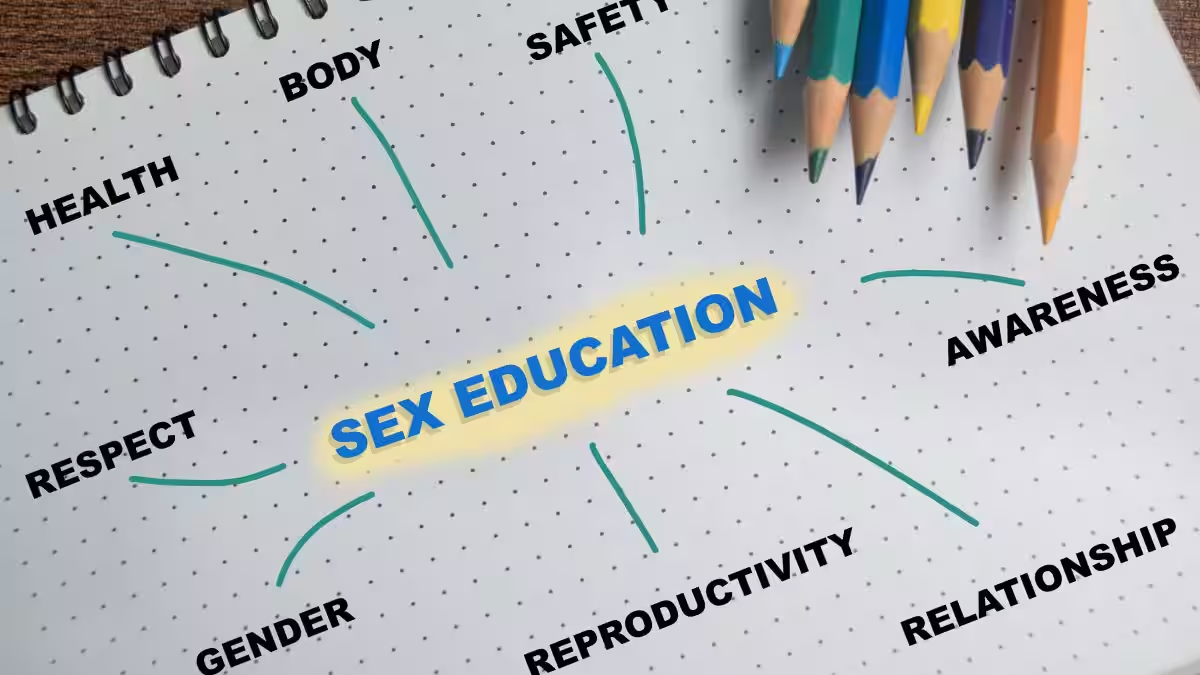
India's education authorities have agreed in principle to introduce comprehensive sex education (CSE) across schools nationwide, marking a significant shift after nearly two decades of hesitation and controversy. This decision follows renewed Supreme Court directives emphasizing child safety, consent, and bodily autonomy, aiming to expand lessons beyond basic reproductive biology to include topics like relationships, contraception, and sexual health.
For many Indian students, sex education has traditionally been limited to isolated biology lessons on puberty and menstruation, often shrouded in silence and stigma. The government's move signals a new era of openness and standardization in how young people learn about their bodies and rights.
Why Sex Education Has Been Controversial in India
Sex education in India has faced cultural resistance for decades. The initial attempt to introduce the Adolescent Education Programme in 2007 was met with backlash from several states, leading to bans and public criticism. In 2014, the then-health minister publicly opposed sex education, advocating yoga instead. These responses reflected widespread discomfort with openly discussing sexuality in schools, often due to social taboos and misconceptions.
Many schools have since limited their lessons to biological facts, avoiding deeper conversations about consent, safe sex, and relationships. Students like Nidhi Manohar from Bengaluru recall lessons that focused on anatomy and menstruation but excluded discussions on why these topics matter or how to navigate them safely. This has left many young people turning to the internet or peers for information, which can be unreliable or misleading.
Key Facts About the New Sex Education Initiative
- The government has agreed to integrate comprehensive sex education into the NCERT curriculum, ensuring age-appropriate and standardized content nationwide.
- The curriculum will cover puberty, consent, contraception, reproductive health, online safety, and recognizing abuse.
- This move follows recommendations from an expert panel under the Ministry of Women and Child Development and aligns with Supreme Court directives related to the Protection of Children from Sexual Offences (POCSO) Act.
- Previous attempts at sex education were limited or banned in over a dozen states due to cultural opposition.
- Psychologists emphasize that comprehensive sex education equips children with essential life skills, reducing stigma and misinformation.
Why This Shift Matters for Indian Students and Society
The introduction of comprehensive sex education could transform how young Indians understand their bodies, relationships, and rights. Experts warn that without proper education, adolescents often rely on pornography and social media, which can distort their perceptions of consent and sexuality.
Teachers and parents have expressed mixed feelings, with some concerned about the timing and content of such lessons, while others highlight the urgent need to address rising cases of child sexual abuse and misinformation. Educators like Hasini Muthukumaran stress that sex education is not just about biology but about safety, respect, and empowerment.
By normalizing conversations around sexual health and consent, the new curriculum aims to dismantle taboos and equip students with the knowledge to make informed decisions. This change also reflects a broader societal shift towards recognizing the importance of open dialogue about sexuality in fostering healthier, safer communities.
Frequently Asked Questions
Q: What topics will comprehensive sex education cover in Indian schools?
A: The curriculum will include puberty, reproductive health, consent, contraception, online safety, and recognizing abuse, providing age-appropriate information to students.
Q: Why was sex education controversial in India before?
A: Cultural taboos and misconceptions led to resistance against openly discussing sexuality in schools, resulting in bans and limited teaching focused mainly on biology.
Q: How will this new education benefit students?
A: It will help students understand their bodies, respect boundaries, reduce stigma, and make informed decisions about relationships and safety, addressing gaps left by previous limited education.