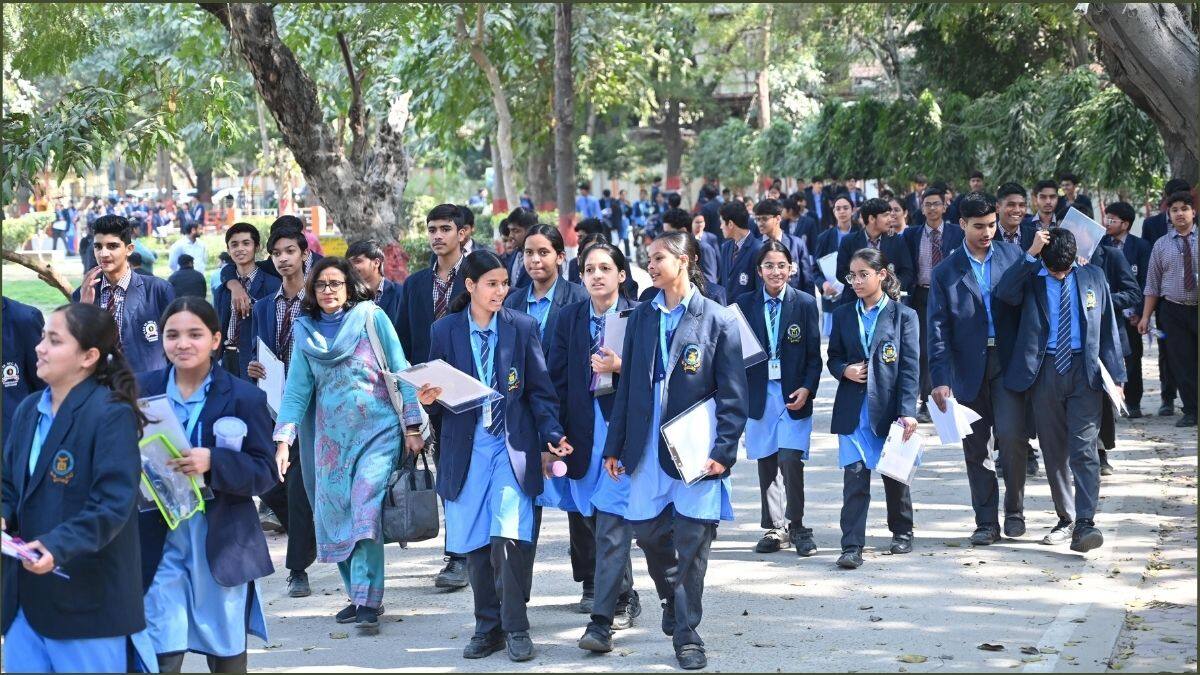
The Students' Federation of India (SFI) has announced a nationwide campaign called 'School Bachao Andolan' aimed at addressing the decline of government-run schools and pushing for their reopening. Starting immediately, the campaign will run through August, September, and October, involving visits to schools, documentation of their conditions, and public demonstrations across India.
The announcement came during a press conference at HKS Surjeet Bhawan in Delhi, where SFI leaders outlined their plans to mobilize students and communities to highlight the deteriorating state of public education and demand increased government investment.
Understanding the Decline of Government Schools
Government schools in India have faced significant challenges over the past decade. According to the SFI, approximately 94,000 government schools have been shut down, while private schools have grown by 40,000 during the same period. This shift has led to a loss of nearly 8.6 million students from public schools, with private institutions gaining over 8.8 million students.
Many government schools suffer from severe understaffing, with over 100,000 schools having only a single teacher responsible for nearly 2.9 million students. The dropout rate is alarmingly high, with 73% of students failing to complete Class XII. Girls and students from marginalized communities, including Dalit, Adivasi, and minority groups, are disproportionately affected by these closures and dropouts.
Key Demands and Campaign Strategies
- Reopen all government schools that have been closed in the last decade.
- Increase public education funding to 6% of the GDP and allocate 10% of the annual budget specifically to education.
- Recruit trained teachers to ensure a student-teacher ratio of 20:1 across all subjects.
- Improve school infrastructure, including facilities and learning resources.
- Implement ground-level awareness programs to reduce dropout rates and reintegrate students who have left school.
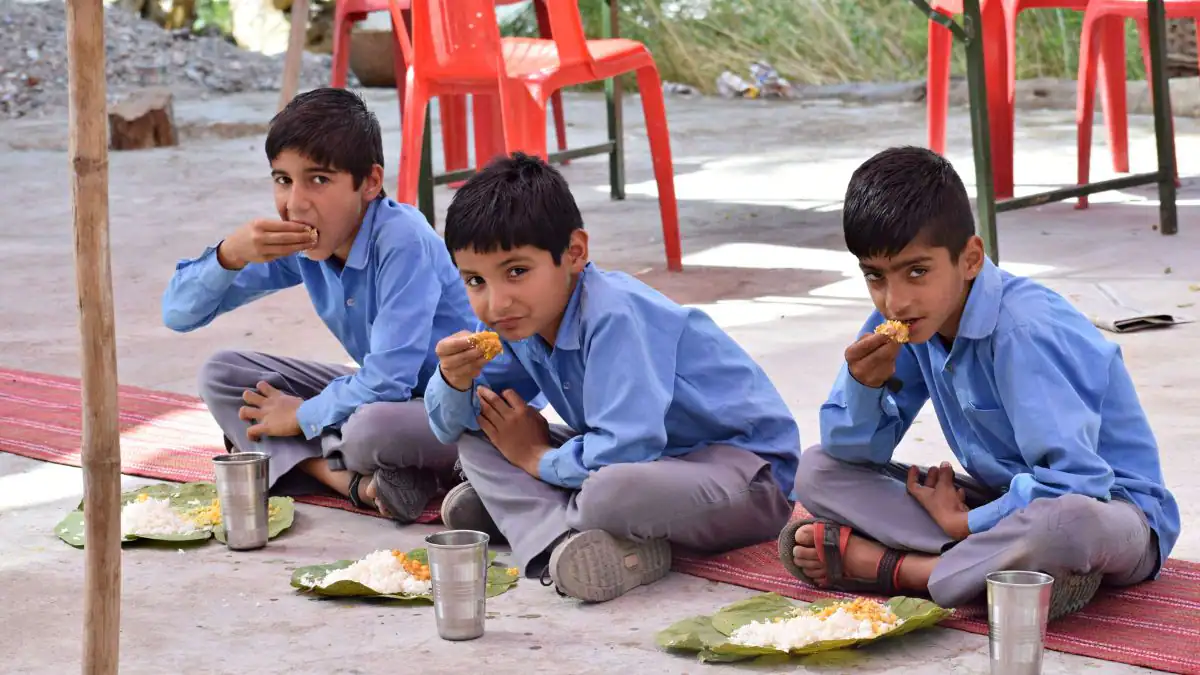
- Provide nutritious midday meals rich in protein and vitamins, especially for children from marginalized communities.
- Repeal the National Education Policy (NEP) 2020, which the SFI claims encourages school closures and mergers.
As part of the campaign, SFI activists will visit schools in every state to assess their conditions and compile reports. They plan to gather 10 crore signatures to support their cause, engage public intellectuals and opposition groups, and submit memorandums to local authorities. The campaign will also feature state-level rallies and a major convention in Delhi on September 8, coinciding with International Literacy Day.
Why This Campaign Matters for Public Education
The 'School Bachao Andolan' highlights growing concerns about the accessibility and quality of public education in India. The closure of thousands of government schools has pushed many students, particularly from vulnerable communities, into private schools or out of the education system entirely. This shift raises questions about equity, affordability, and the government's commitment to education as a public good.
The SFI's push for increased funding and better infrastructure aims to reverse these trends and ensure that government schools can provide quality education to all children. Their call to repeal the NEP 2020 reflects fears that current policies may prioritize privatization and consolidation over strengthening public institutions.
By mobilizing students, parents, and communities, the campaign seeks to create pressure on policymakers to prioritize education funding and reform. The focus on nutritious meals and reducing dropout rates also addresses broader social issues that impact learning outcomes.
Frequently Asked Questions
Q: What is the 'School Bachao Andolan' campaign?
A: It is a nationwide movement led by the Students' Federation of India to demand the reopening of closed government schools and increased investment in public education.
Q: Why does SFI want to repeal the National Education Policy 2020?
A: SFI argues that the NEP 2020 encourages the closure and merger of public schools, which they believe harms access to quality education for marginalized communities.
Q: How will the campaign be carried out?
A: The campaign includes school visits, documentation of conditions, public rallies, signature collection, and engagement with local authorities and communities to push for policy changes.