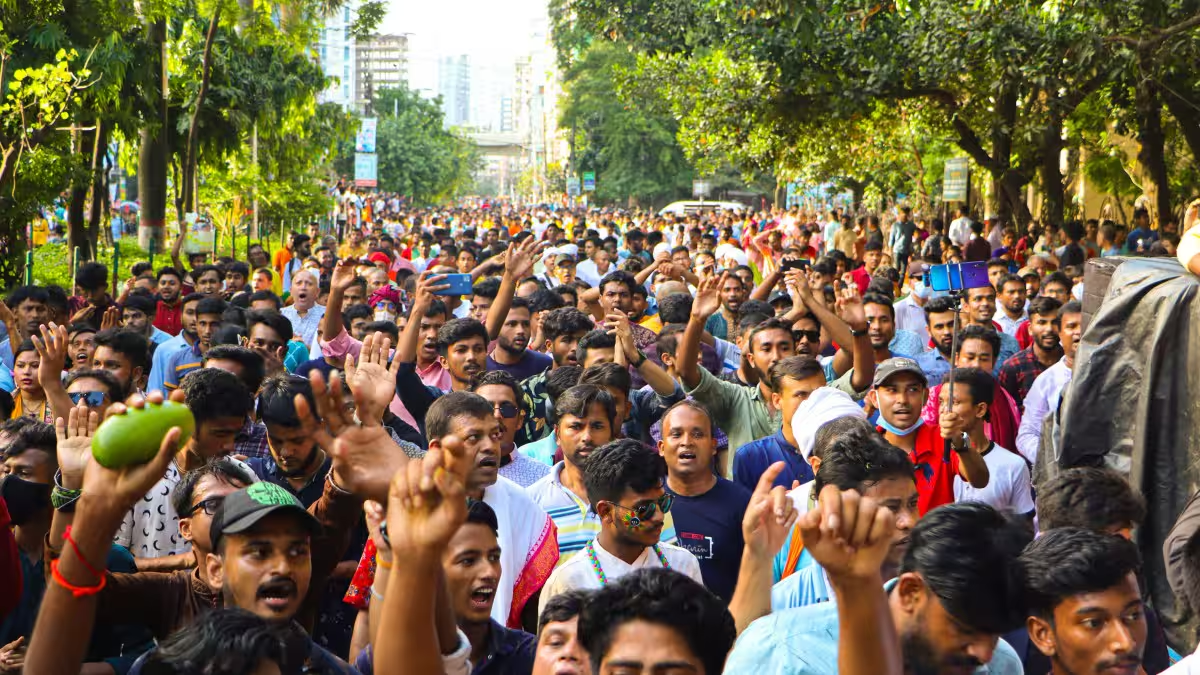
Students in Delhi, led by the Students' Federation of India (SFI), recently organized a march to protest against the alarming increase in sexual violence against women in the city. They demanded better safety measures such as working streetlights, CCTV cameras, and freedom of movement for women and gender minorities.
- There has been a sharp rise in reported rape and sexual harassment cases in Delhi, with at least 13 incidents reported in September alone.
- SFI highlighted specific cases, including the gang-rape of a 17-year-old near Lady Shri Ram College and the sexual assault of an 11-year-old in Sadar Bazar.
- The protestors submitted a memorandum to Delhi government officials demanding improved safety infrastructure and gender sensitization.
- SFI called for zero tolerance on delays in filing FIRs, safety audits, and establishment of women's safety assistance points.
- The group emphasized abolishing rape culture instead of imposing curfews or restricting women's mobility.
What prompted the SFI students to organize the march?
The march was organized in response to a significant increase in sexual violence cases against women in Delhi. Over the past two weeks, there has been a spike in reported incidents, including gang-rapes and assaults involving minor girls. The SFI aimed to raise awareness and demand urgent action from authorities.
What specific incidents did the SFI highlight during the protest?
SFI activists cited several disturbing cases to emphasize the gravity of the situation. These included the gang-rape of a 17-year-old girl at Astha Kunj Park near Lady Shri Ram College, the sexual assault of an 11-year-old girl at a tailor shop in Sadar Bazar, and the gang-rape of a 17-year-old from Uttar Pradesh on a moving bus.
What demands did the SFI submit to the Delhi government?
A delegation from SFI met with officials from the Delhi government's General Administration Department and submitted a memorandum listing their demands. These included:
- Zero tolerance for delays in filing First Information Reports (FIRs) in sexual violence cases.
- Time-bound safety audits of public spaces.
- Installation of CCTV cameras and functioning streetlights in vulnerable areas.
- Improved safety in public transport.
- Establishment of women's safety assistance points and safe public toilets.
- Gender sensitization programs in schools.
- Protection of gender and sexual minorities.
- Mandatory sensitization and accountability of authorities.
- A public accountability dashboard for tracking safety measures.
- Functional Internal Complaints Committees (ICCs) with institutional sensitization.
How did the SFI leaders describe the government's role in ensuring safety?
SFI Delhi president Nadia criticized the "double-engine government" led by Chief Minister Rekha Gupta and the BJP, accusing it of failing to ensure the safety and security of citizens. The Delhi joint secretary Mehina emphasized that authorities should focus on abolishing rape culture rather than imposing restrictive curfews, policing women's clothing, or limiting their movement at night.
What is the SFI's stance on women's freedom of movement?
The SFI strongly supports the protection of women's rights to move freely and safely in public spaces. They oppose measures that restrict women's mobility, such as curfews or dress codes, and instead advocate for creating safer environments through infrastructure improvements and social awareness.
What actions did the marchers take during the protest?
The students marched to the Delhi Secretariat at ITO, where they held a demonstration. A delegation then submitted their charter of demands to government officials, urging immediate action to improve women's safety in the city.