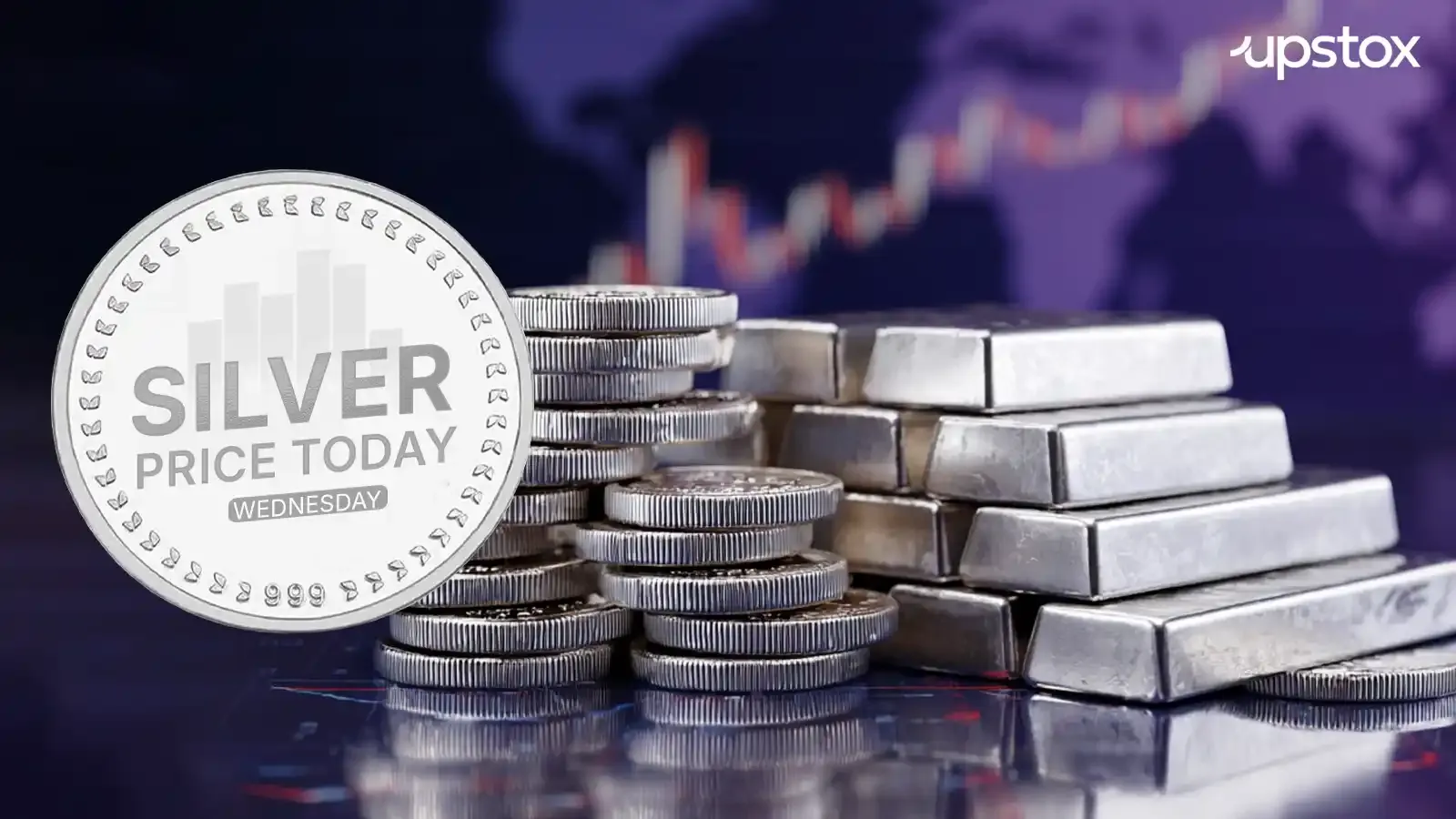
Silver prices stayed steady on July 15, 2026, maintaining their level for the third day in a row. The precious metal's price held firm at ₹2.35 lakh per kilogram, reflecting cautious optimism among investors following recent US inflation data that came in lower than expected.
Despite a brief dip during the trading session on the Multi Commodity Exchange (MCX), silver futures for September delivery showed resilience, influenced by broader economic signals and market sentiment.
Understanding Silver Pricing and Market Influences
Silver is a widely traded precious metal, valued both for its industrial uses and as a store of value. Its price fluctuates based on supply and demand dynamics, geopolitical events, currency movements, and economic indicators, especially inflation data from major economies like the United States.
When inflation is high, precious metals like silver often attract investors as a hedge against currency devaluation. Conversely, when inflation cools, demand can soften. The US consumer inflation figures released recently showed both annual and core inflation rates below market expectations, which initially boosted silver prices.
Key Facts on Silver Prices and Market Movements
- On July 15, 2026, silver prices remained unchanged at ₹2.35 lakh per kilogram.
- Silver futures for September delivery on MCX traded lower by 0.59%, down ₹1,309 to ₹2,21,880 per kilogram around mid-morning.
- The previous day, silver contracts had risen by 2.51%, settling at ₹2,23,189 per 190 grams.
- Internationally, spot silver prices dropped 0.9% to $58.16 per ounce, while September futures fell over 1% to $58.46 per ounce.
- Federal Reserve Chair Kevin Warsh emphasized the central bank's commitment to price stability, signaling no tolerance for sustained inflation.
- Investors are closely watching upcoming US economic data, including the Producer Price Index (PPI) and Warsh's testimony, for clues on future interest rate policies.
Why US Inflation Data Matters for Silver Investors
The recent US inflation figures have a significant impact on silver prices because they influence expectations about interest rates and economic growth. Lower-than-expected inflation suggests that the Federal Reserve might slow down or pause interest rate hikes, which can make precious metals more attractive compared to interest-bearing assets.
Fed Chair Kevin Warsh's remarks reinforced the central bank's focus on controlling inflation, which keeps markets alert to potential policy shifts. Silver investors often react to these signals, adjusting their positions based on anticipated changes in monetary policy.
As traders await further economic reports, including the Producer Price Index and Warsh's upcoming testimony, silver prices may experience volatility. The metal's role as both an industrial commodity and an investment asset means it is sensitive to a range of economic factors beyond inflation alone.
Frequently Asked Questions
Q: Why did silver prices remain steady despite some fluctuations?
A: Silver prices held steady because the recent US inflation data was softer than expected, supporting demand for precious metals. However, market participants are cautious, leading to minor price movements during trading.
Q: How does US inflation affect silver prices?
A: Lower inflation often reduces pressure on interest rates, making silver more attractive as an investment. Conversely, higher inflation can increase demand for silver as a hedge against currency devaluation.
Q: What should investors watch for next in the silver market?
A: Investors should monitor upcoming US economic data like the Producer Price Index and Federal Reserve statements, as these will influence interest rate expectations and, consequently, silver prices.