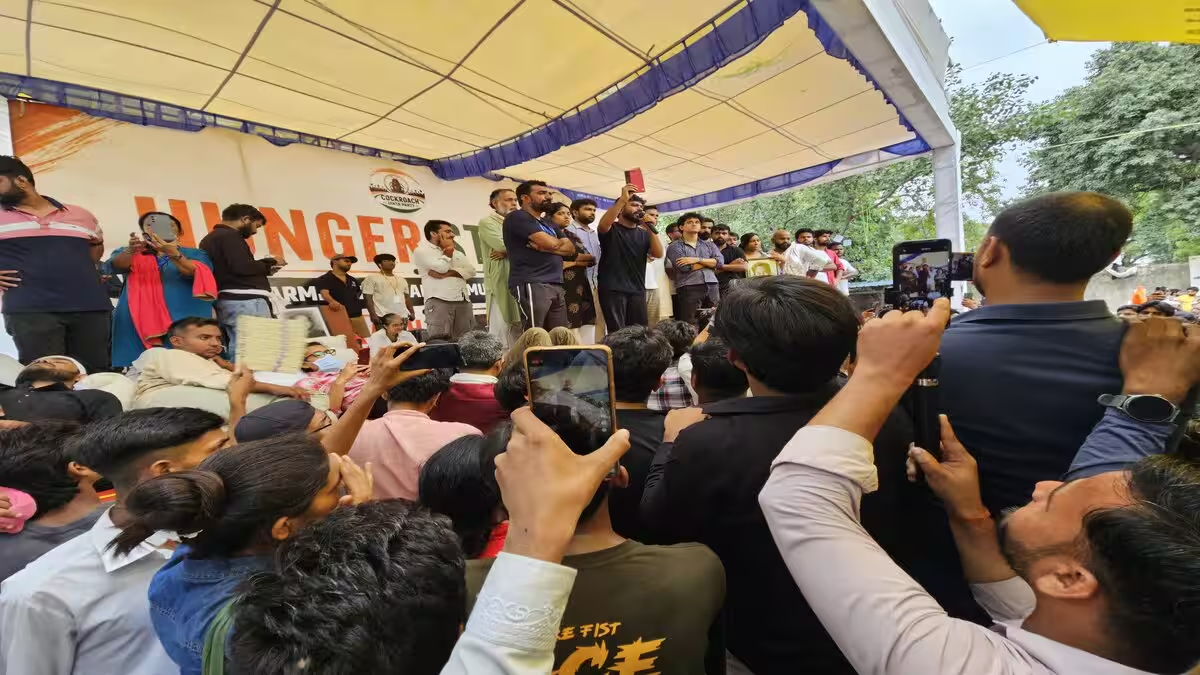
Sonam Wangchuk, the activist and educator known for his role in ongoing protests at Jantar Mantar, was shifted to Safdarjung Hospital after his health deteriorated on the 21st day of his hunger strike. The move by Delhi Police has sparked widespread criticism from protest groups and student organizations, who accuse authorities of mishandling the situation and suppressing peaceful dissent.
The Cockroach Janata Party (CJP), which has been leading the protests, condemned the police for forcibly removing Wangchuk from the protest site. They called for the establishment of Jantar Mantar-style protest sites in every Indian state to continue their agitation for education reforms and other demands.
What Led to the Jantar Mantar Protests?
The protests at Jantar Mantar began as a response to concerns over the education system, including calls for transparency and fairness in examinations and admissions. Sonam Wangchuk, a prominent voice in education reform, joined the hunger strike to press for these changes. The protest has drawn attention from various student groups and activists nationwide.
Wangchuk’s hunger strike lasted for three weeks, during which his health steadily declined. Despite medical warnings, he insisted on continuing the protest, aiming to participate in a planned march to Parliament scheduled for July 20. The Delhi Police intervened, citing medical advice and a High Court order, and moved him to the hospital for essential care.
Key Facts About the Incident and Reactions
- Sonam Wangchuk was forcibly taken from Jantar Mantar by Delhi Police, hidden under sheets, which protesters say was disrespectful and unnecessary.
- The Cockroach Janata Party called for similar protest sites across all states to maintain pressure on the government.
- The Students Islamic Organisation of India (SIO) condemned the police action, emphasizing the right to peaceful protest and expressing solidarity with the agitators.
- Wangchuk’s wife requested that no medication be administered without family consent and urged the hospital to discharge him as soon as possible.
- The Delhi Police stated their actions were based on medical advice and court orders, claiming they exercised restraint while removing protesters.
Why This Police Action Matters for Protest Movements
The handling of Sonam Wangchuk’s removal from Jantar Mantar highlights the delicate balance between public order and citizens’ rights to protest. Supporters argue that the police response was heavy-handed and undermines democratic freedoms, especially when peaceful protestors demand systemic reforms.
The call by the CJP to establish Jantar Mantar-style protest sites nationwide signals a potential escalation in activism, aiming to keep public attention on education issues and government accountability. The involvement of student groups like the SIO further broadens the coalition of voices demanding change.
At the same time, authorities emphasize their responsibility to protect individuals’ health and maintain public safety, justifying their intervention as necessary. This incident may set precedents for how future protests are managed, especially those involving hunger strikes and vulnerable participants.
Frequently Asked Questions
Q: Why was Sonam Wangchuk taken to the hospital?
A: After 21 days of hunger strike, Wangchuk’s health deteriorated significantly. Delhi Police, following medical advice and a High Court order, moved him to Safdarjung Hospital for essential care.
Q: What is the Cockroach Janata Party’s response to Wangchuk’s hospitalization?
A: The CJP condemned the police for forcibly removing Wangchuk and called for setting up protest sites like Jantar Mantar in every state to continue their agitation for education reforms.
Q: How have student groups reacted to the police action?
A: The Students Islamic Organisation of India condemned the police’s handling of the protest, emphasizing the right to peaceful dissent and expressing solidarity with Wangchuk and other protesters.