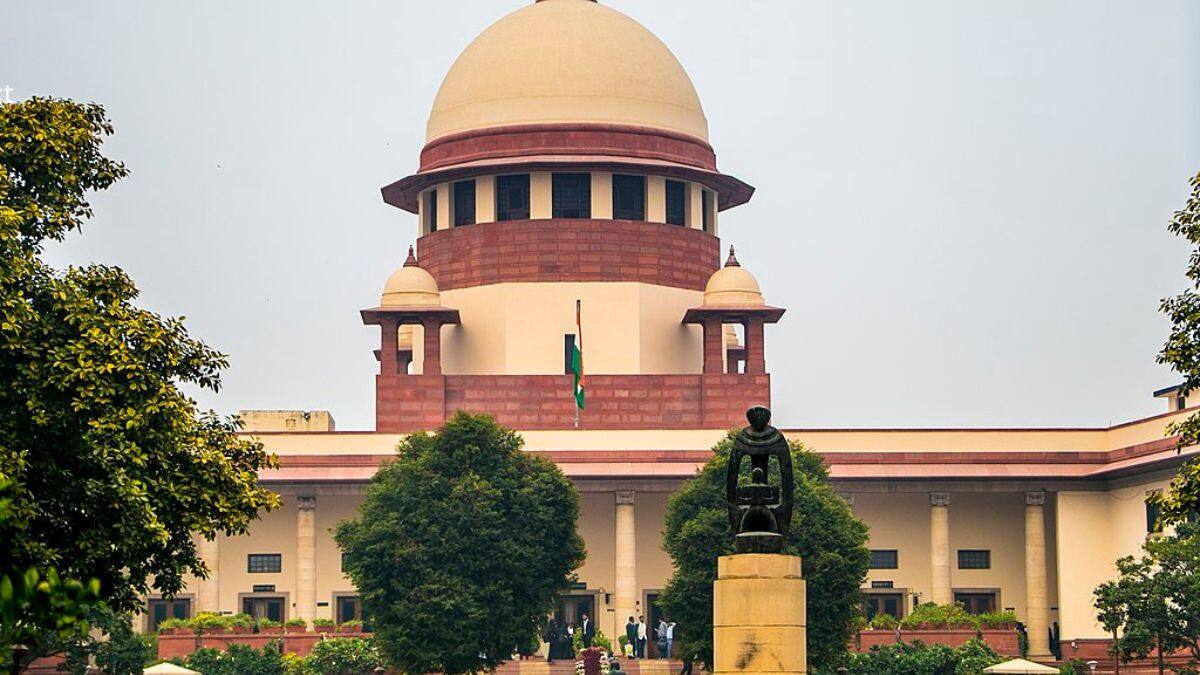
The Supreme Court of India has refused to entertain a Public Interest Litigation (PIL) that sought the creation of a central law and uniform guidelines to curb bullying and ragging in schools and pre-university educational institutions across the country. This decision was announced on Tuesday by a bench led by Chief Justice Surya Kant, along with Justices Joymalya Bagchi and V Mohana.
- The Supreme Court declined to hear a new PIL on anti-ragging laws in schools.
- The court stated it has already passed judgments on these issues.
- The petitioner was allowed to submit a representation to relevant authorities.
- The PIL requested a central legislation and mandatory guidelines for schools.
- The plea also sought inclusion of anti-bullying and anti-ragging education in school curricula.
Why did the Supreme Court refuse to hear the PIL?
The bench explained that since the Supreme Court has already issued judgments addressing the concerns raised in the PIL, it cannot entertain a fresh petition on the same matter. The court emphasized that the directives previously passed remain in effect and should be implemented by the concerned authorities.
What did the petitioner request in the PIL?
The petitioner, Yadavi Aditya Rasiwasiya, sought a writ or order directing the central ministries to frame and implement a comprehensive central legislation to tackle bullying and ragging in schools and pre-university institutions. The plea also requested the formulation of supplementary guidelines that schools must follow to ensure complaints related to bullying and ragging are properly addressed and resolved.
Additionally, the petitioner urged that a compulsory subject focusing on the harms of bullying and ragging be introduced into the curriculum of all central and state education boards.
Who are the parties named in the petition?
The PIL named several respondents, including the Government of India, all states and Union Territories, the Central Board of Secondary Education (CBSE), and the Council for the Indian School Certificate Examinations (CISCE).
What alternatives did the court provide to the petitioner?
Although the Supreme Court declined to hear the PIL, the bench permitted the petitioner’s counsel to submit a representation to the authorities concerned. This means that while the court will not take up a new case, the petitioner can approach government bodies and education boards directly to raise the issues and seek action.
What is the current situation regarding ragging in schools?
Ragging and bullying remain significant concerns in educational institutions. Recent data shows that ragging cases have doubled over four years, with better reporting contributing to this increase. The Ministry of Education continues to monitor these issues and promote anti-ragging measures.
What steps can schools take to address bullying and ragging?
Schools and pre-university institutions can implement strict anti-ragging policies, conduct awareness programs, and ensure a safe environment for students. Incorporating education about the negative effects of bullying and ragging into the curriculum can also help prevent such behavior.