The State Platform for Common School System – Tamil Nadu (SPCSS-TN) has expressed strong concerns about the questions posed by the Ministry of Home Affairs' (MHA) High-Level Committee on Demographic Changes (HLCDC). They believe these questions could disturb peace in schools and colleges by causing students to view their classmates as outsiders competing for seats and opportunities.
- The HLCDC was formed to study demographic changes across India and suggest policy measures.
- SPCSS-TN fears the committee's questions may create divisions among students and communities.
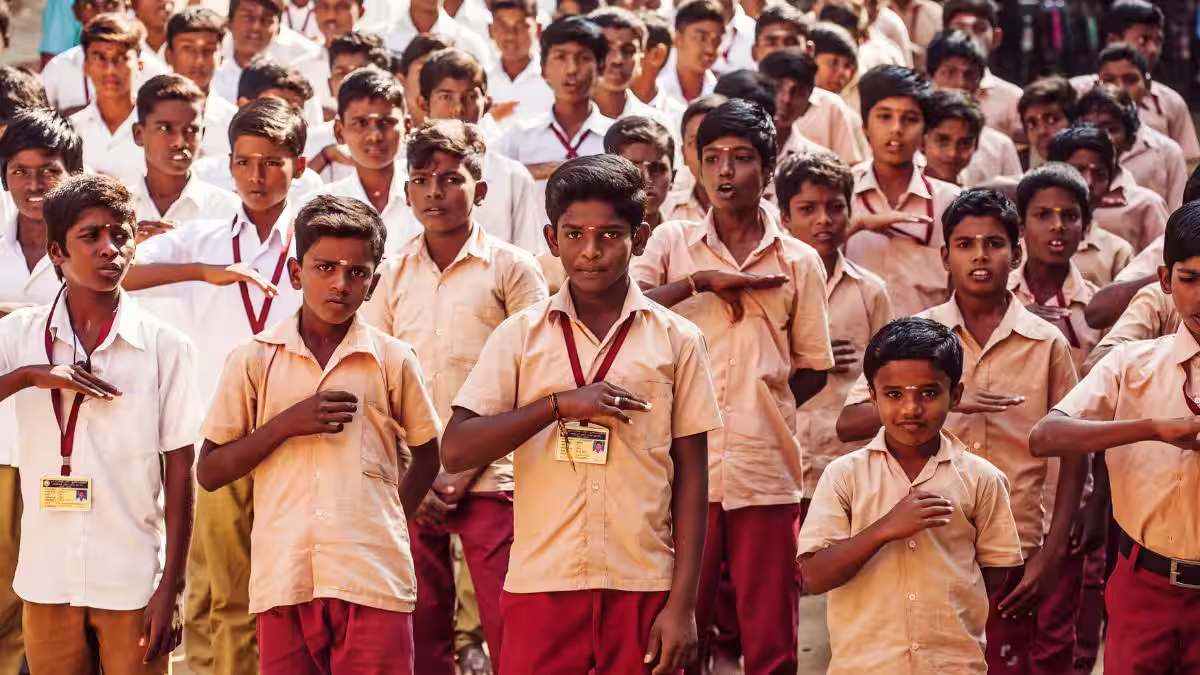
- Thousands of children from northern and northeastern states study in Tamil Nadu government schools and enjoy reservation rights.
- The appeal calls for the dissolution of the HLCDC and urges Parliament to discuss the committee's formation.
- Concerns include privacy issues and the potential for polarizing people based on demographic data.
What concerns do Tamil Nadu educationists have about the HLCDC questions?
SPCSS-TN general secretary PB Prince Gajendra Babu stated that the questions posed by the HLCDC are likely to disturb peace in educational institutions. He explained that children and youth might start seeing their classmates as competitors who have come to take their place in studies or future jobs. This could lead to tension and conflict within classrooms.
Who are the students affected by these demographic concerns in Tamil Nadu?
Thousands of students from northern and northeastern states of India have settled in various districts of Tamil Nadu. These children attend government-run schools and are entitled to rights such as the 7.5% reservation for government school students in professional courses, including undergraduate medical admissions. This reservation is unique to Tamil Nadu and not offered by other states.
Why does SPCSS-TN oppose the HLCDC’s data collection?
The committee has asked for responses about demographic changes over the past 15 years, which SPCSS-TN believes could lead to people viewing recent settlers as outsiders. The platform fears this may polarize communities and create animosity by invoking the 'Sons of the Soil' theory. Additionally, the mandatory collection of personal data with consent on the HLCDC portal raises privacy concerns.
What actions does SPCSS-TN recommend regarding the HLCDC?
SPCSS-TN has appealed to Indian lawmakers, political parties, and citizens to ensure the MHA dissolves the HLCDC. They urge that the ongoing census, conducted under the Census Act of 1948, should suffice for planning and development. The platform also calls for a special parliamentary session to discuss the HLCDC's purpose and to stop the current exercise immediately.
What is the purpose and scope of the HLCDC?
The HLCDC was established by the MHA on May 26, 2026, to scientifically study demographic changes in India. Its goals include understanding the causes and consequences of these changes and recommending policy, administrative, and legal measures. The committee focuses on issues such as illegal immigration, population mobility, and administrative challenges, especially in border districts and sensitive regions.
The HLCDC also aims to analyze population changes among religious and social communities and to develop systems for identifying and deporting illegal immigrants. The committee emphasizes transparency, objectivity, inclusiveness, stakeholder participation, and evidence-based policymaking in its work.
Frequently Asked Questions
Q: What is the main worry about the HLCDC’s questionnaire?
A: The main concern is that the questions might create divisions among students and communities by making recent settlers feel like outsiders, potentially disturbing peace in schools and colleges.
Q: Are children from other states entitled to reservations in Tamil Nadu?
A: Yes, children from northern and northeastern states studying in Tamil Nadu government schools are eligible for a 7.5% reservation in professional courses, including undergraduate medical admissions.
Q: What does SPCSS-TN want the government to do about the HLCDC?
A: They want the Ministry of Home Affairs to dissolve the HLCDC and stop the current demographic exercise, relying instead on the official census for demographic data.