The University of Manchester is set to establish a new centre for education, research, and innovation in Bengaluru, India. This centre aims to strengthen the university's collaborations with Indian universities, businesses, researchers, and students by providing a permanent base for partnerships in education, technology, and research sectors.
- The centre will follow the Partner-Enabled Learning (PEL) model, integrating real-world projects with academic programmes.
- It will offer students practical experience through internships, work placements, and industry-led projects.
- Bengaluru was chosen for its strong presence in higher education, technology, and innovation.
- The initiative supports the university's global strategy to expand international partnerships and research.
What is the purpose of the new centre in Bengaluru?
The new centre will serve as a hub for education, research, and innovation, aiming to build and deepen partnerships between the University of Manchester and Indian institutions. It will create opportunities for students and researchers to engage with industry and address shared challenges through collaborative projects.
How will the Partner-Enabled Learning model be applied?
The centre will implement the Partner-Enabled Learning (PEL) model, which integrates academic learning with practical experience. This model involves employers, public bodies, and community organisations in degree programmes through credit-bearing projects and micro-internships. It focuses on developing skills such as problem-solving, adaptability, collaboration, and employer engagement.
Why was Bengaluru selected as the location for the centre?
Bengaluru is known for its strong ecosystem in higher education, technology, and innovation. The city hosts numerous universities, research institutes, global businesses, and technology companies, many of which already collaborate with the University of Manchester. This makes Bengaluru an ideal location to expand industry engagement and research partnerships.
What existing relationships does the University of Manchester have in India?
The university already maintains partnerships with major Indian companies such as Reliance, Tata, and Infosys, along with a broad network of technology firms. The new centre will build on these relationships to enhance collaboration and provide more opportunities for students and researchers.
How does this initiative fit into the university's global strategy?
The Bengaluru centre is part of the University of Manchester's "From Manchester for the World" strategy, which aims to strengthen its global presence and connect academic expertise with international research and innovation communities. It also aligns with the Manchester 2035 International Delivery Plan, which prioritizes international partnerships to expand research and educational opportunities.
What did the university's Vice-Chancellor say about the new centre?
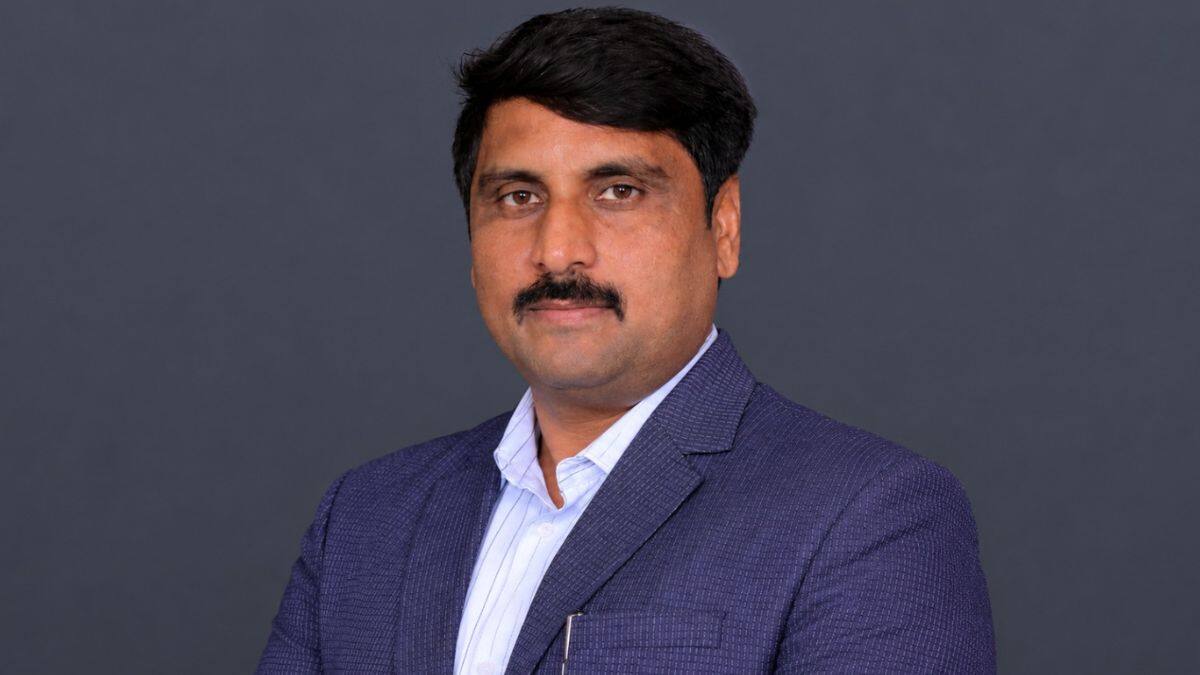
Professor Duncan Ivison, the university's president and vice-chancellor, highlighted the depth of Manchester's relationship with India across education, business, and culture. He expressed excitement about the new centre's role in deepening these partnerships and the potential for mutual learning and contribution over the coming years.
What events marked the announcement of the centre?
The announcement took place on October 15, 2026, during the Great North Mayoral Mission to India. The event was held at Science Gallery Bengaluru and included participation from the Mayor of Greater Manchester, Bev Craig, along with representatives from education, business, and culture. Panel discussions on innovation and culture were led by Professor Ivison.
What opportunities will the centre provide for students?
Students will benefit from practical learning experiences such as internships, work placements, and industry-led projects. These opportunities aim to enhance their skills and employability by engaging them directly with real-world challenges and industry partners.
How does the centre contribute to research and innovation?
The centre will bring together academic expertise, industry knowledge, and entrepreneurial talent to address shared challenges. It will foster collaboration between researchers and businesses, supporting innovation and the development of new solutions in various fields.