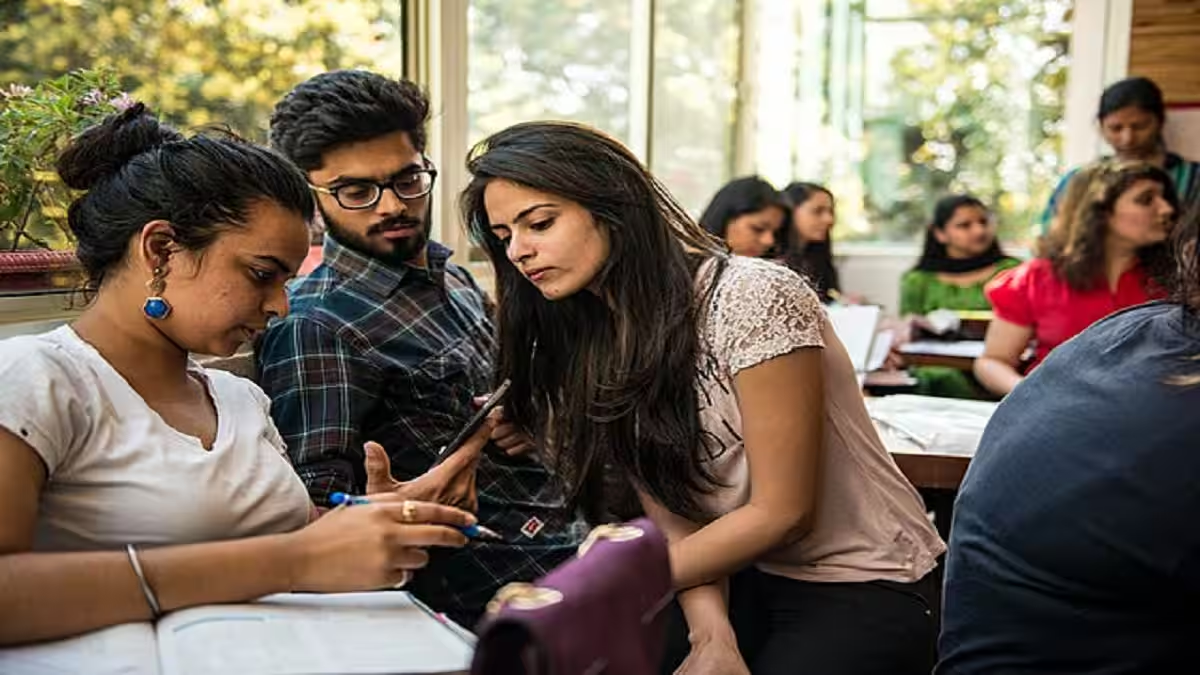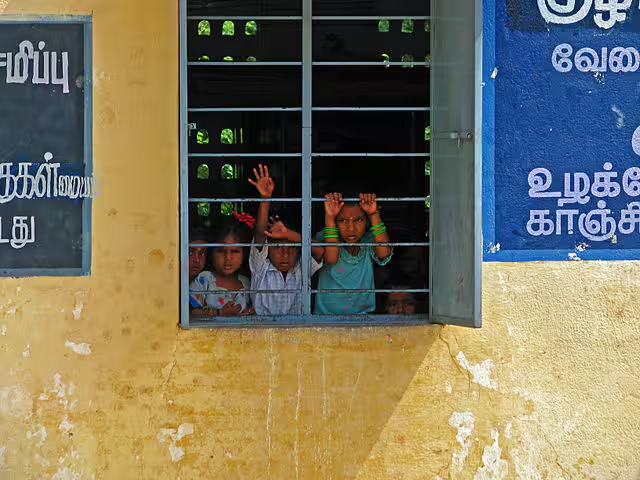
Hundreds of students at Jai Prakash Narayan Sarvodaya Vidyalaya, a government-run residential school in Unnao, Uttar Pradesh, staged a sit-in protest on Wednesday morning. They raised concerns about poor-quality food, insufficient drinking water, a shortage of teachers, and dissatisfaction with the principal's conduct. The protest briefly blocked traffic at Mohan crossing, drawing attention to ongoing issues faced by students in government schools.
Recent Wave of Student Protests in Uttar Pradesh
This demonstration is part of a broader trend of student protests across Uttar Pradesh, often referred to as "Gen Alpha protests." Over the past few weeks, students from similar schools under the Social Welfare Department have voiced grievances about inadequate facilities and staff shortages. Earlier protests occurred in Lucknow on August 14 and 17, where boys and girls separately took to the streets, blocking traffic and demanding better educational conditions. These protests have also taken place in districts such as Fatehpur, Hamirpur, and Kannauj, highlighting systemic challenges in government-run schools.
Key Issues Raised by Unnao Students
- Complaints about the poor quality of food served in the school mess.
- Insufficient access to clean and adequate drinking water.
- Shortage of teachers impacting the quality of education.
- Concerns over the principal's behavior and management style.
- Disruption of traffic at a major crossing point during the protest.
Authorities, including police and Social Welfare Department officials, arrived at the protest site to engage with the students. Despite initial resistance, the students agreed to end the sit-in after assurances that their concerns would be addressed.
Officials’ Response and Resolution
District Magistrate Ghanshyam Meena and Superintendent of Police Jaiprakash Singh personally visited the school and shared breakfast with the protesting students, signaling a commitment to listen and respond. The Hasanganj Sub-Divisional Magistrate, Shalini Singh Tomar, confirmed that many of the students’ issues, including some minor ones, had been resolved. Following these discussions, the students peacefully ended their protest, and normalcy returned to the school.
The school caters to students from primary levels up to Classes 10 and 11, making the resolution of these problems crucial for a wide age range of learners. The protests underscore ongoing challenges in government educational institutions, particularly those managed by the Social Welfare Department, which have faced criticism for neglect and inadequate infrastructure.
Frequently Asked Questions
Q: What prompted the students’ protest in Unnao?
A: Students protested due to poor food quality, lack of sufficient drinking water, teacher shortages, and dissatisfaction with the principal’s behavior.
Q: How did officials respond to the protest?
A: District officials and police engaged with the students, assured them their concerns would be addressed, and resolved some issues, leading to the peaceful end of the protest.
Q: Are similar protests happening elsewhere in Uttar Pradesh?
A: Yes, students in other districts like Lucknow, Fatehpur, Hamirpur, and Kannauj have also protested over similar issues in recent weeks.