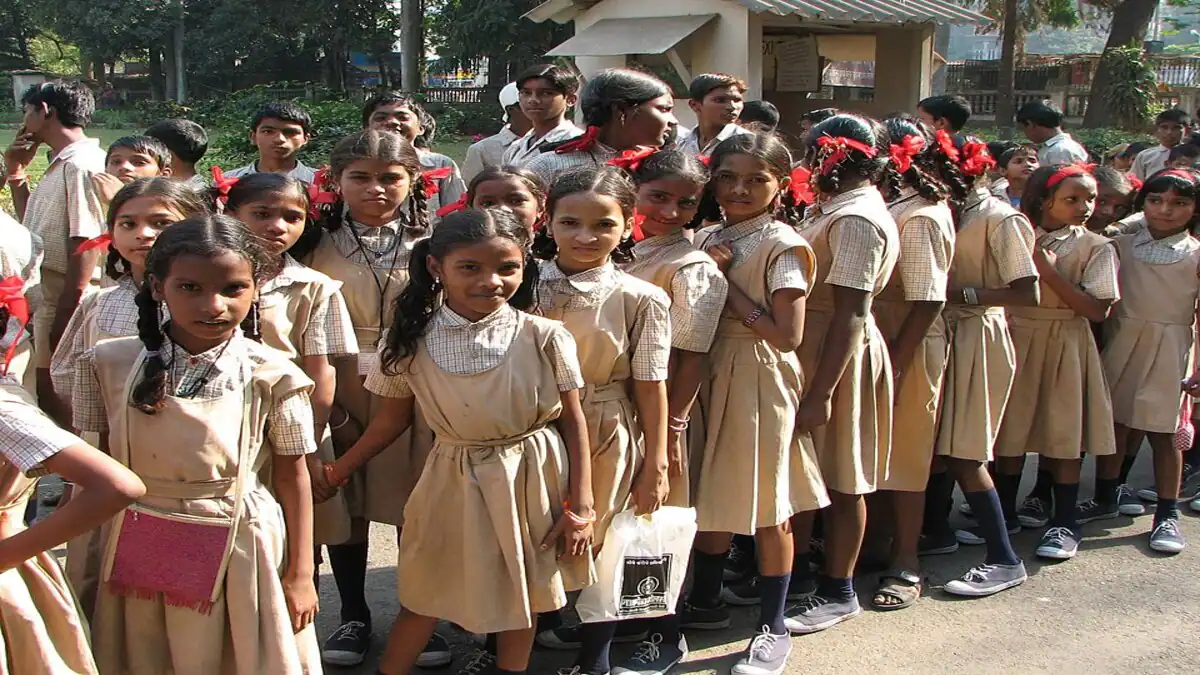
Hundreds of students from Class 6 to 12 at Sarvodaya Inter College in Kishanpur, Fatehpur, Uttar Pradesh, held a five-hour sit-in protest demanding better school facilities. The demonstration began early in the morning and focused on issues such as safe drinking water, clean toilets, functional fans, and a proper library. The protest ended after school officials assured the students that improvements would start within 24 hours.
What Sparked the Protest at Sarvodaya Inter College?
The students raised concerns about several basic amenities missing or in poor condition at their school. They reported a lack of safe drinking water and unclean toilets, which are essential for health and hygiene. Many ceiling fans were reportedly unsafe, with some students experiencing electric shocks. Additionally, the school’s electricity supply was unreliable, and furniture was insufficient for the number of students.
Beyond infrastructure, the students also highlighted the absence of a computer lab, library, and sports facilities. They alleged that repeated complaints to the school administration about these issues had gone unaddressed for months. There were also claims of unauthorized fees being collected during admissions and for documents like marksheets, which added to the students’ frustrations.
Key Facts About the Protest and School Conditions
- The protest lasted approximately five hours, starting at 7 a.m.
- Students carried placards and portraits of Dr. B.R. Ambedkar, symbolizing their demand for rights and dignity.
- The protest disrupted normal school activities, prompting intervention by the principal and local police.
- District Inspector of Schools Rakesh Kumar met with the students and provided written assurance that corrective measures would begin within 24 hours.
- The school was closed for the rest of the day following the protest.
- Principal Lal Bahadur Singh acknowledged the issues but cited limited funds as a barrier to immediate improvements.
Why This Protest Highlights Broader Challenges in School Infrastructure
This protest reflects ongoing challenges faced by many government schools in India, where inadequate funding and poor maintenance affect students’ learning environments. Basic facilities like clean drinking water and toilets are critical not only for health but also for encouraging regular attendance, especially among girls. Unsafe electrical fittings and lack of fans can make classrooms uncomfortable and even hazardous.
The students’ decision to organize a sit-in shows growing awareness and willingness among young people to demand their rights. Their use of symbols like Dr. Ambedkar’s portrait connects their struggle to larger social justice movements. The administration’s promise to act quickly is a positive step, but the principal’s comments about limited resources underline the need for sustained investment in school infrastructure.
Improving facilities can have a direct impact on educational outcomes by creating a safer, more welcoming environment. This protest may inspire other students in similar situations to speak up, potentially prompting wider reforms in school management and funding.
Frequently Asked Questions
Q: What were the main demands of the students during the protest?
A: The students demanded safe drinking water, clean and functional toilets, reliable electricity, working fans, adequate furniture, a computer lab, a library, and sports facilities.
Q: How did the school administration respond to the protest?
A: The administration met with the students and gave written assurance that work on improving facilities would begin within 24 hours. The school was also closed for the rest of the day to address the situation.
Q: Why are these issues significant for students’ education?
A: Basic infrastructure like clean water, toilets, and safe classrooms are essential for students’ health, comfort, and attendance. Poor facilities can hinder learning and discourage students from attending school regularly.