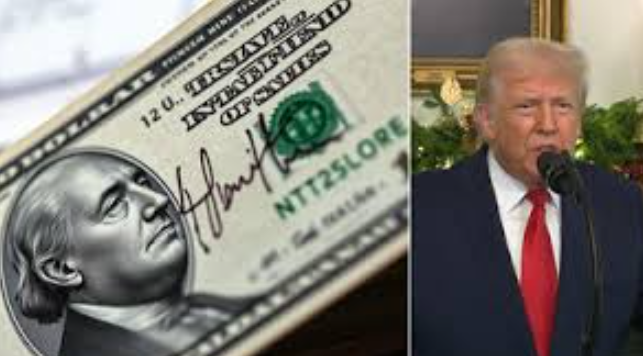
Major Change in US Currency Design
For the first time, future US dollar notes will include the signature of sitting President Donald Trump. Traditionally, currency notes only featured the signatures of the Treasury Secretary and the Treasurer of the United States. This move is part of celebrating the country's 250th anniversary in 2026 and aims to highlight a historic milestone.
Reason Behind the Decision
The US Treasury Department explained that adding the president’s signature is a symbolic gesture meant to celebrate American history and achievements. Treasury Secretary Scott Bessent said the change reflects confidence in the country’s economic progress and its role as a global currency leader.
Political and Public Reactions
The proposal has generated mixed reactions. Supporters see it as a ceremonial tribute to a historic anniversary. Critics argue it politicizes the currency, raising questions about the neutrality of national symbols, and highlight concerns over setting a precedent for political influence on currency design.
Key Facts for Exams
- US currency has traditionally displayed signatures of the Treasury Secretary and the Treasurer.
- 2026 marks the 250th anniversary (Semiquincentennial) of US independence.
- The US dollar is the world's main reserve currency.
- Changes in currency design often reflect political, historical, or cultural milestones.
Impact on Currency and Global View
Although this change does not alter the dollar’s value, it may affect how the US is perceived globally. Currency acts as a symbol of national identity and economic power. Any alteration in its design carries symbolic importance, especially given the dollar’s vital role in international trade and finance. The long-term impact will depend on how the public and policymakers respond to the change and whether similar modifications continue in the future.