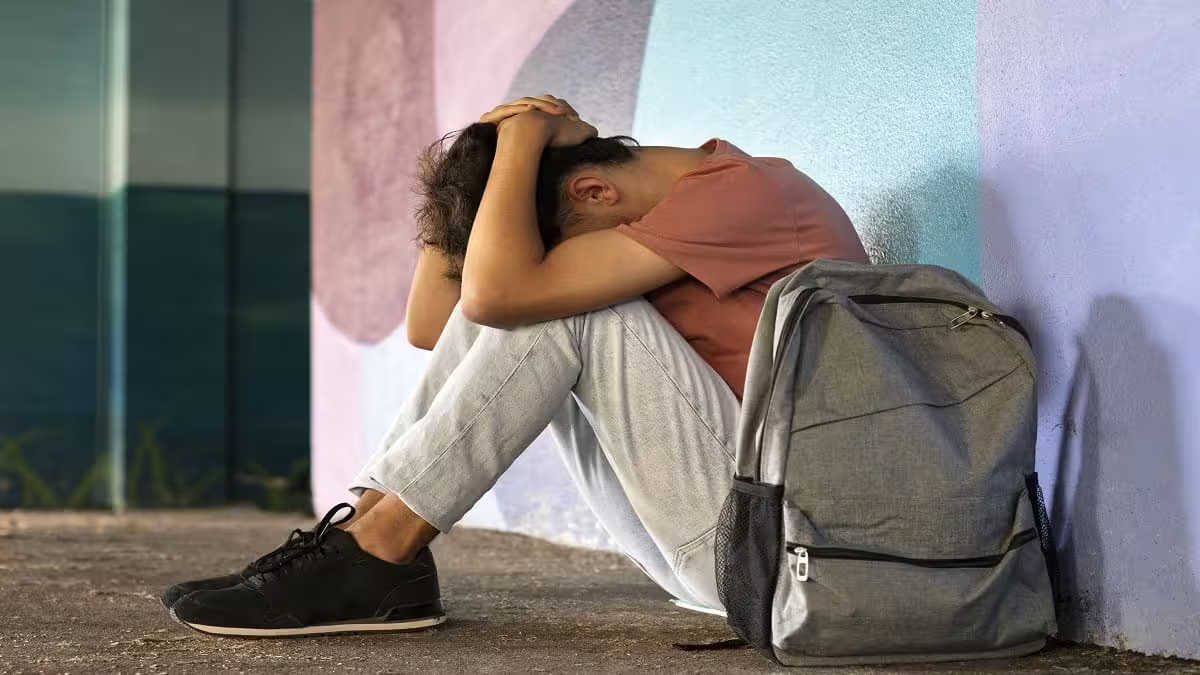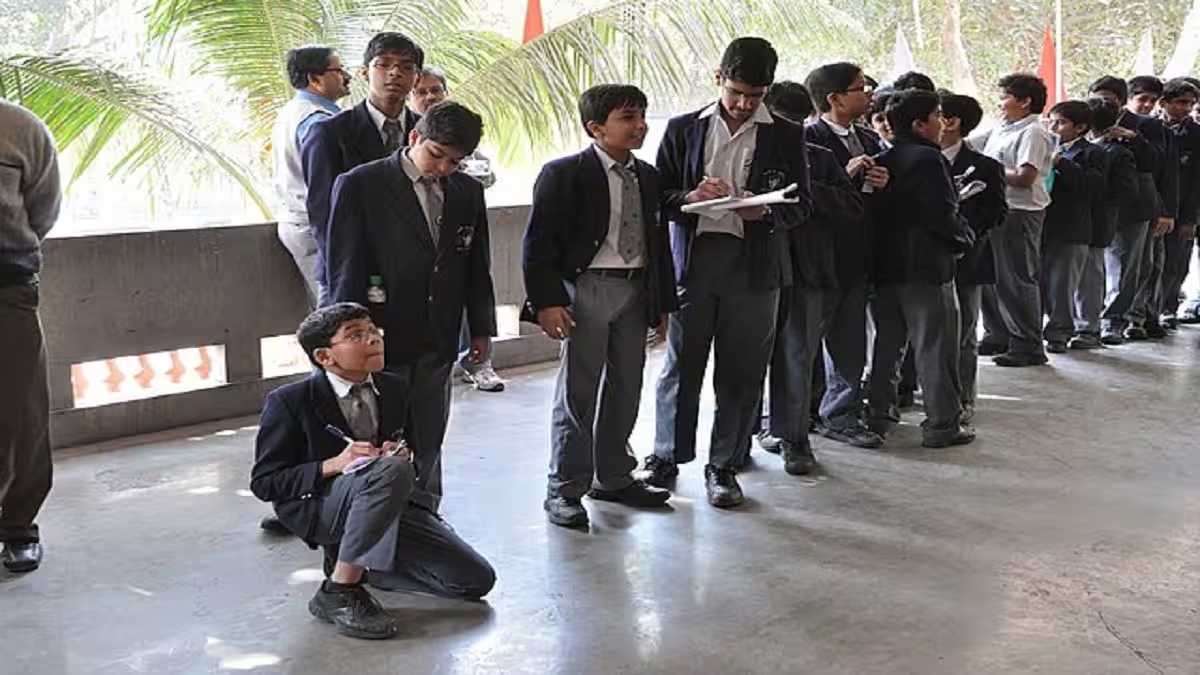
The District Basic Education Officer in Ayodhya, Uttar Pradesh, has issued a directive prohibiting YouTubers and individuals associated with social media from entering schools or conducting photography and videography without official approval. This move follows a wave of student protests drawing attention to inadequate school amenities such as clean drinking water, sanitation, seating, and mid-day meals.
Why Ayodhya Restricted Social Media Access in Schools
The education department’s order aims to curb disruptions caused by outsiders filming and sharing content from schools on social media platforms. Officials noted that such activities interfere with the teaching and learning environment. The directive states that no outsider, including YouTubers or social media personalities, may enter council schools or engage in photography or videography without explicit permission from the designated authority. This rule is effective immediately.
Government-appointed officials are responsible for conducting regular inspections and monitoring of council schools to identify and address operational shortcomings. The administration emphasizes that these officials are the authorized personnel to assess school conditions and take corrective actions as needed.
Details Behind the Student Protests in Uttar Pradesh
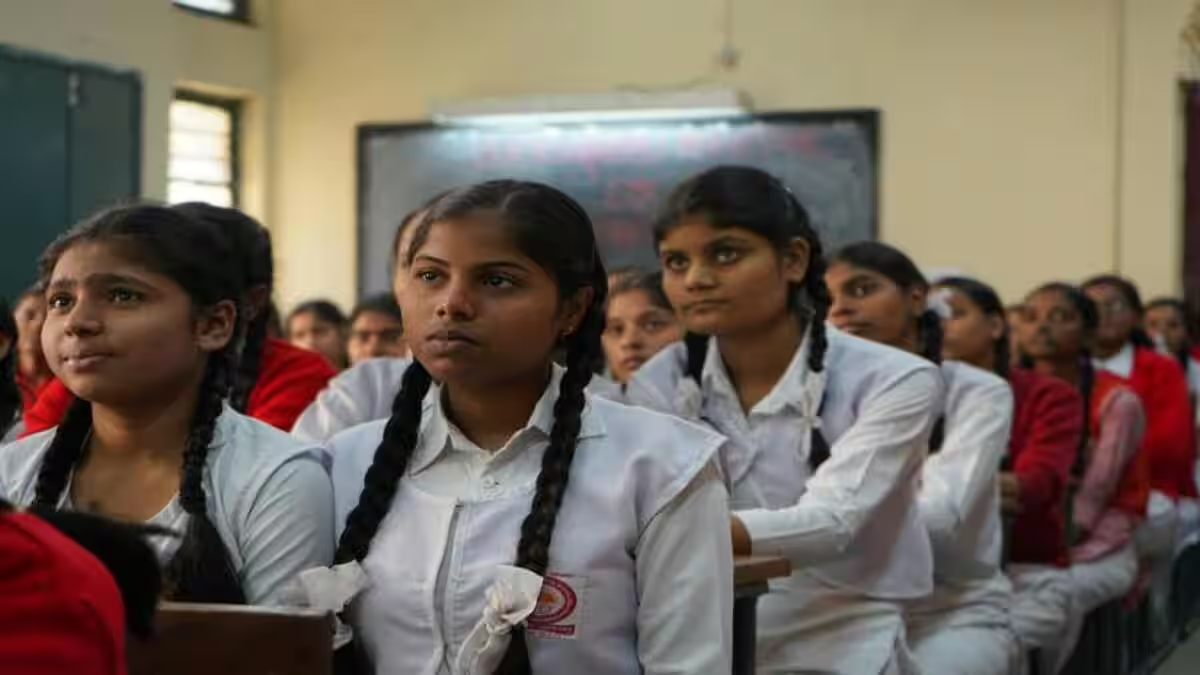
- Students at Jai Prakash Narayan Sarvodaya Vidyalaya in Unnao protested against poor-quality food, insufficient drinking water, teacher shortages, and issues with school leadership.
- Earlier protests by students from social welfare department schools in Lucknow highlighted similar concerns, including lack of teachers and essential facilities.
- The protests, sometimes referred to as the 'Gen Alpha Protest,' have drawn attention to the chronic neglect of government school infrastructure and services.
These demonstrations have pressured authorities to respond more actively to the demands for better school conditions.
Comparing Measures Across States: A Growing Trend
Ayodhya’s restrictions reflect a broader trend seen in other Indian states. For instance, Rajasthan’s Directorate of Secondary Education recently ordered schools to restrict outsider access and ban unauthorized photography, videography, interviews, or recordings on school premises without permission. These measures aim to protect student privacy and maintain order during school hours.
Such policies highlight the challenges governments face in balancing transparency and accountability with the need to preserve a conducive learning environment. While social media can spotlight issues in schools, unrestricted access may disrupt daily operations and affect students’ education.
Frequently Asked Questions
Q: Why has Ayodhya banned YouTubers and social media users from schools?
A: The ban aims to prevent disruptions caused by unauthorized filming and sharing of school conditions on social media, which interferes with teaching and learning.
Q: What issues led to student protests in Uttar Pradesh schools?
A: Students protested due to poor-quality food, lack of clean drinking water, insufficient seating, teacher shortages, and problems with school management.
Q: Are other states implementing similar restrictions?
A: Yes, states like Rajasthan have also restricted outsider access and unauthorized photography in schools to maintain order and protect student privacy.