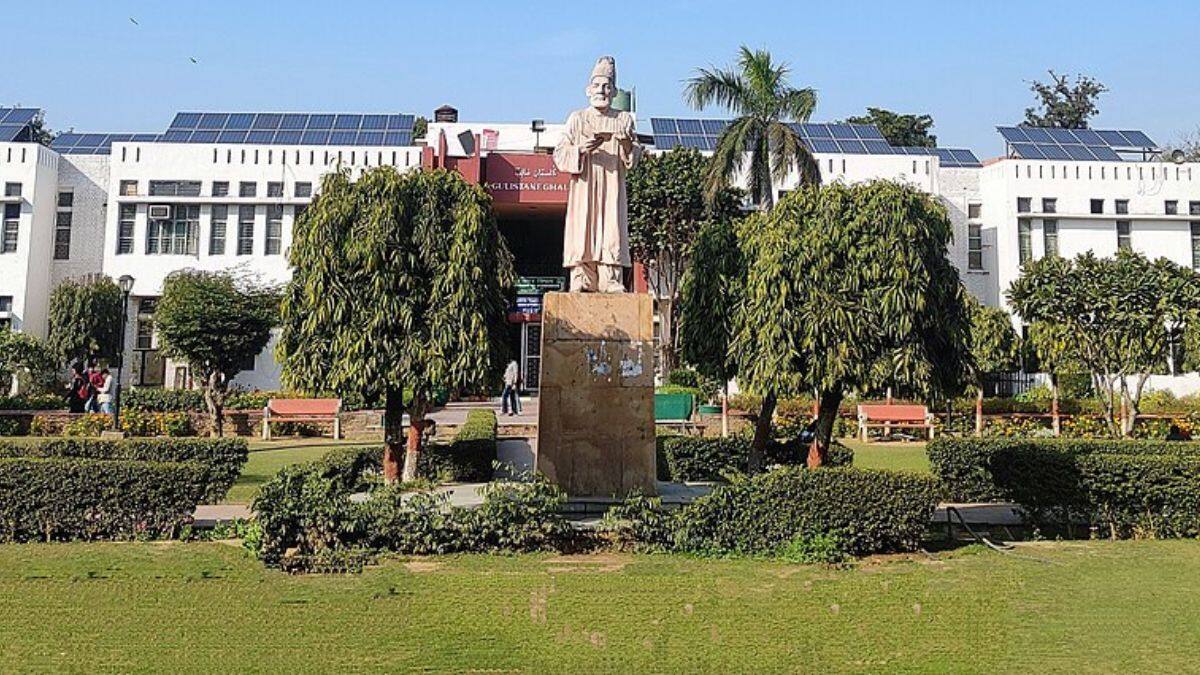
Victoria University India’s Block Model® ensures students gain practical skills connected to real-world outcomes. The university’s Delhi NCR campus offers programs in business, data science, information technology, and cybersecurity, designed to prepare students for today’s workforce while providing international education standards close to home.
- The VU Block Model® lets students focus on one or two subjects intensively at a time.
- International campuses in India expand access to global education with local relevance.
- Students receive the same degree as those studying in Australia, with opportunities for global mobility.
- Industry engagement and practical learning are central to Victoria University India’s approach.
- The MBA (Global) program prepares students for leadership in a dynamic business environment.
How does the VU Block Model® improve student learning?
The VU Block Model® is a unique teaching method where undergraduate students study one subject at a time in four-week blocks, while postgraduate students take two subjects over eight weeks. This approach allows students to concentrate fully on each subject without juggling multiple courses simultaneously.
Smaller class sizes and interactive learning environments help students engage deeply and develop practical skills. Continuous assessment replaces high-stakes exams, encouraging consistent effort and application of knowledge.
Why are international campuses important for India’s higher education?
With the National Education Policy (NEP) 2020, India welcomes international universities to establish campuses locally. This expands access to world-class education, reduces costs and travel barriers, and brings global teaching practices to Indian students.
International campuses like Victoria University India also strengthen industry connections and foster interdisciplinary learning. They complement India’s education system by offering new opportunities for students to gain global exposure while staying close to home.
What makes Victoria University India’s programs industry-relevant?
The university integrates industry projects and collaborations into its curriculum. Located in Delhi NCR, a major business hub, students can engage with startups and corporations through assignments and internships.
Partnerships with global organizations support research, curriculum updates, and placement opportunities. This ensures students develop skills that meet current workforce demands and enhances their employability.
What opportunities exist for student mobility and international exposure?
Victoria University India offers a Global Mobility Program that includes semester exchanges, undergraduate transfer pathways to Melbourne, and postgraduate progression options. These pathways allow students to experience international education environments and tailor their academic journeys to their goals.
Students earn the same globally recognized degrees as those studying in Australia, supported by aligned curricula and academic standards, creating a seamless educational experience.
What can students expect from the MBA (Global) program?
The MBA (Global) is designed for professionals and graduates aiming to enhance their business knowledge with an international perspective. It covers leadership, strategy, decision-making, and management skills essential for today’s global business landscape.
The program uses the VU Block Model® to allow focused study and deeper engagement. Its location in Delhi NCR connects students with a vibrant business ecosystem, linking classroom learning to real-world contexts.
How is Victoria University India shaping the future of higher education?
The university aims to deliver an Australian-quality education experience tailored to Indian students’ aspirations. By combining global standards, innovative teaching methods, industry integration, and student mobility, Victoria University India contributes to transforming higher education in the country.
This approach prepares students not only for academic success but also for meaningful careers in a rapidly evolving global economy.