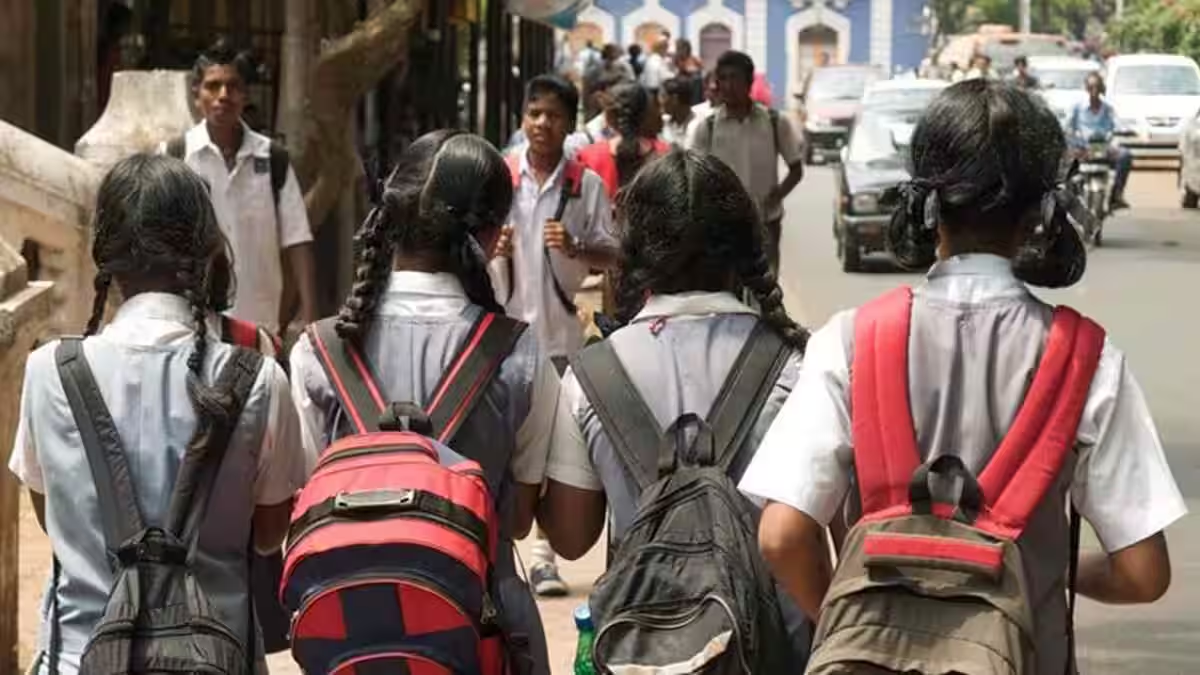
The resignation of Union Education Minister Dharmendra Pradhan has been welcomed by leaders of the Aam Aadmi Party (AAP) as a significant victory for students, young people, and democratic accountability. The decision came after widespread protests erupted across the country in response to alleged leaks of competitive examination papers, sparking public outrage and demands for reform.
AAP leaders emphasized that the resignation reflects the power of sustained public pressure and the urgent need to improve transparency and integrity within the education system.
Understanding the Context Behind the Resignation
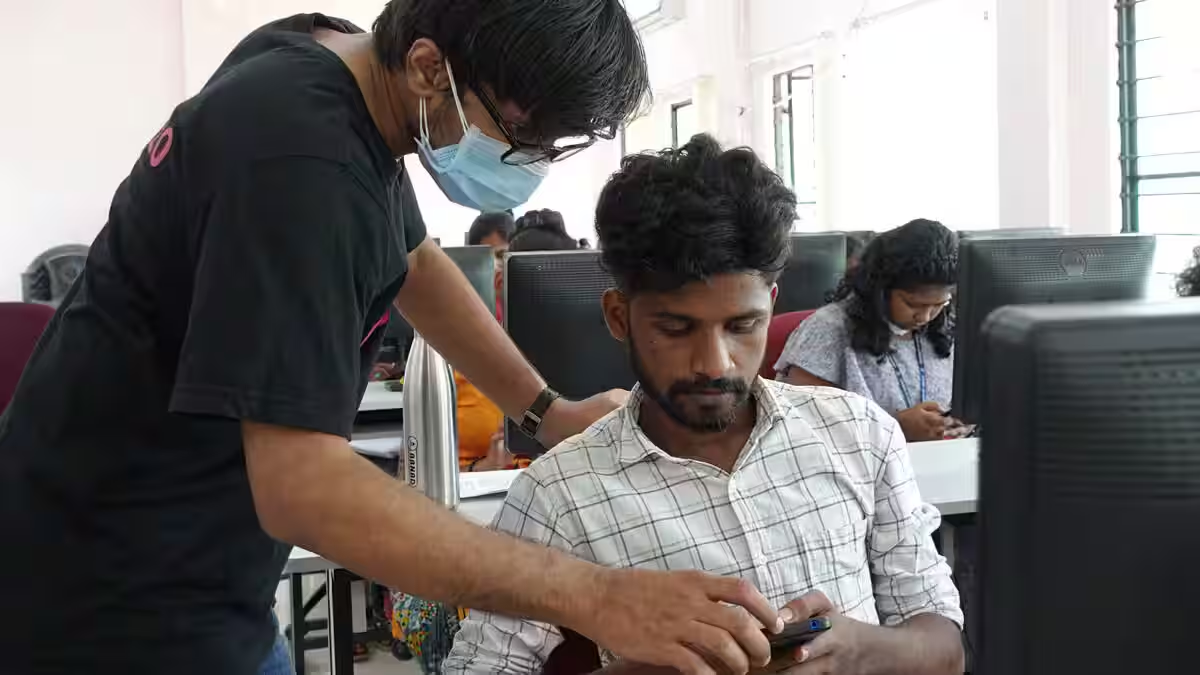
Competitive exams in India are critical gateways for students seeking admission to educational institutions and government jobs. Allegations of paper leaks undermine the fairness of these exams and erode trust in the system. Recently, reports surfaced about leaked question papers, which led to nationwide protests by students and youth demanding accountability and justice.
These protests highlighted long-standing concerns about corruption and malpractice in exam administration. The Education Ministry, responsible for overseeing these exams, faced intense scrutiny, culminating in calls for the resignation of the minister in charge.
Key Facts About the Resignation and Reactions
- Dharmendra Pradhan resigned from his position as Union Education Minister amid the controversy.
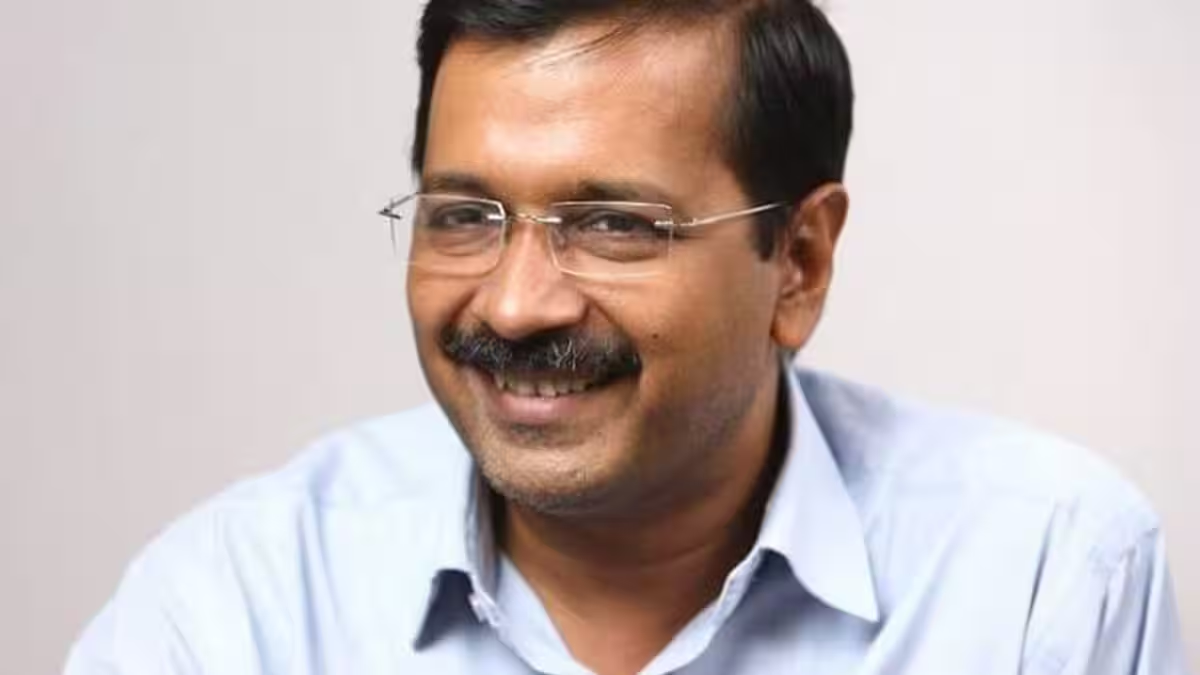
- AAP national convenor Arvind Kejriwal described the resignation as a "big win for democracy" and urged the government to listen to public concerns.
- AAP Rajya Sabha MP Sanjay Singh credited the youth-led protests for compelling the government to act and indicated that the movement would now focus on employment accountability.
- Senior AAP leader Gopal Rai called the resignation a major victory for students and youth, stating, "The movement won, arrogance lost."
- The party called for stronger measures to prevent future exam paper leaks and ensure transparency in the education system.
Why Pradhan's Resignation Matters for Students and Democracy
The resignation of a high-profile minister over exam paper leaks sends a strong message about the power of civic engagement and the importance of accountability in governance. For students, it represents recognition of their grievances and a step toward restoring faith in the examination process.
It also underscores the challenges faced by India's education system in maintaining fairness and transparency amid increasing competition and pressure. The public response and subsequent political consequences highlight the growing demand for reforms that protect students’ rights and uphold democratic principles.
Moving forward, the government faces pressure to implement robust safeguards against malpractice in exams, improve oversight mechanisms, and ensure that such incidents do not recur. The resignation may serve as a catalyst for broader changes in education policy and administration.
Frequently Asked Questions
Q: What triggered Dharmendra Pradhan's resignation?
A: His resignation followed widespread protests over alleged leaks of competitive examination papers, which raised concerns about corruption and fairness in the education system.
Q: How did the Aam Aadmi Party respond to the resignation?
A: AAP leaders welcomed the resignation as a victory for students and democracy, praising the youth-led protests and calling for stronger exam transparency measures.
Q: What changes are expected after this resignation?
A: The government is expected to take stronger steps to prevent exam paper leaks, improve accountability, and restore trust in the education system.