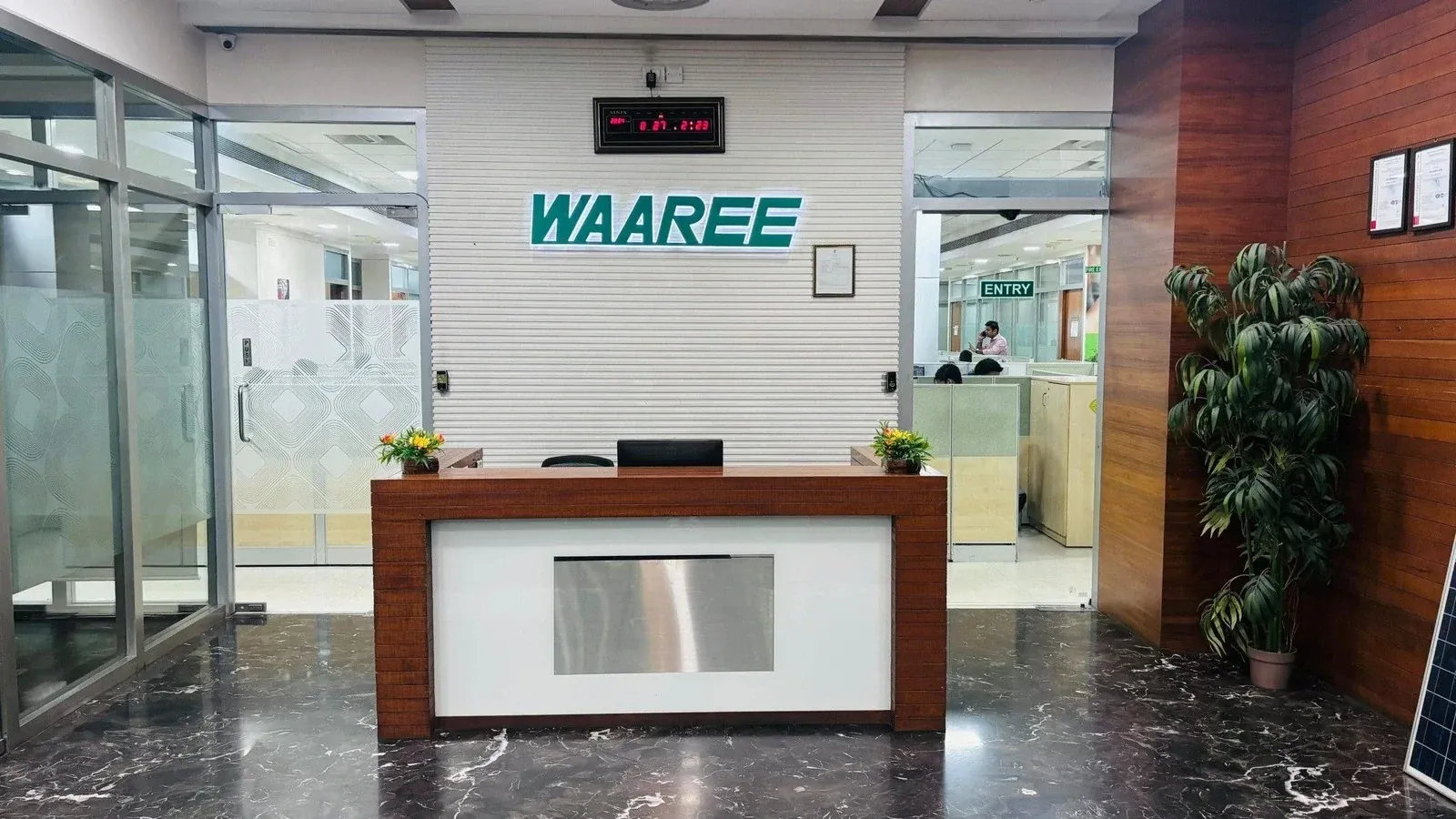
Waaree Energies has announced the launch of a new Battery Energy Storage System (BESS) Container Manufacturing Facility through its subsidiary, Waaree Energy Storage Solutions Pvt Ltd (Waaree ESS). This facility, with a capacity of 5.15 GWh, surpasses the initially planned 3.5 GWh, reflecting improvements in production efficiency and battery cell energy density. The development marks a significant step in strengthening India’s domestic energy storage manufacturing sector.
The facility is equipped with state-of-the-art Industry 4.0 technologies, including Automated Guided Vehicles (AGVs), intelligent material handling systems, automated assembly lines, and advanced testing and quality assurance processes. Designed to serve utility-scale as well as commercial and industrial energy storage needs, the plant aims to deliver reliable and scalable energy solutions.
Expanding India’s Energy Storage Infrastructure
Battery Energy Storage Systems are critical for integrating renewable energy sources like solar and wind into the power grid. These systems store excess energy generated during peak production periods and release it when demand is high, ensuring a steady and reliable electricity supply. As India accelerates its transition to clean energy, robust energy storage solutions are essential to maintain grid stability and reduce dependence on fossil fuel-based power plants.
Waaree ESS’s new facility is part of a broader manufacturing roadmap targeting a total capacity of 20 GWh. Alongside the 5.15 GWh BESS container manufacturing, the company plans to operationalize a 5.15 GWh battery pack manufacturing unit and a 3.5 GWh lithium cell manufacturing plant within the current financial year. These combined efforts aim to build a comprehensive, integrated energy storage ecosystem in India.
Key Features of the New Facility
- Capacity upgraded from 3.5 GWh to 5.15 GWh due to enhanced production throughput and better battery cell energy density.
- Incorporation of Industry 4.0 technologies for automation and efficiency, including AGVs and intelligent material handling.
- Automated assembly lines and rigorous testing systems to ensure high-quality and reliable energy storage products.
- Focus on utility-scale and commercial & industrial applications to support India’s growing renewable energy infrastructure.
- Alignment with government initiatives like Make in India and Atmanirbhar Bharat to reduce reliance on imported technologies.
Why This Facility Matters for India’s Clean Energy Goals
India’s renewable energy capacity is expanding rapidly, with solar and wind power playing a major role in the country’s energy mix. However, the intermittent nature of these sources requires effective storage solutions to provide consistent power. The new BESS manufacturing facility by Waaree ESS addresses this challenge by producing domestically made, high-capacity storage systems.
Sunil Rathi, Director of Waaree Energies, emphasized the importance of battery storage in India’s clean energy future. He highlighted that reliable, locally manufactured energy storage is vital for grid stability, energy security, and sustainable growth. The facility’s launch is a foundational step toward creating a fully integrated energy storage platform that supports India’s ambition to become a global clean energy manufacturing hub.
By advancing domestic production capabilities, Waaree ESS contributes to reducing India’s dependence on imported energy storage technologies. This not only strengthens the country’s energy security but also supports economic growth through job creation and technological innovation in the renewable energy sector.
Frequently Asked Questions
Q: What is the capacity of Waaree ESS’s new battery storage facility?
A: The facility has an upgraded capacity of 5.15 GWh, increased from the originally planned 3.5 GWh due to improved production processes and battery cell technology.
Q: How does battery energy storage support renewable energy?
A: Battery energy storage systems store excess energy generated from renewable sources during low-demand periods and supply it during peak demand, ensuring a stable and reliable power supply.
Q: What are the future plans for Waaree ESS’s manufacturing capabilities?
A: Waaree ESS plans to operationalize additional facilities, including a 5.15 GWh battery pack manufacturing unit and a 3.5 GWh lithium cell manufacturing plant, aiming for a total integrated capacity of 20 GWh.