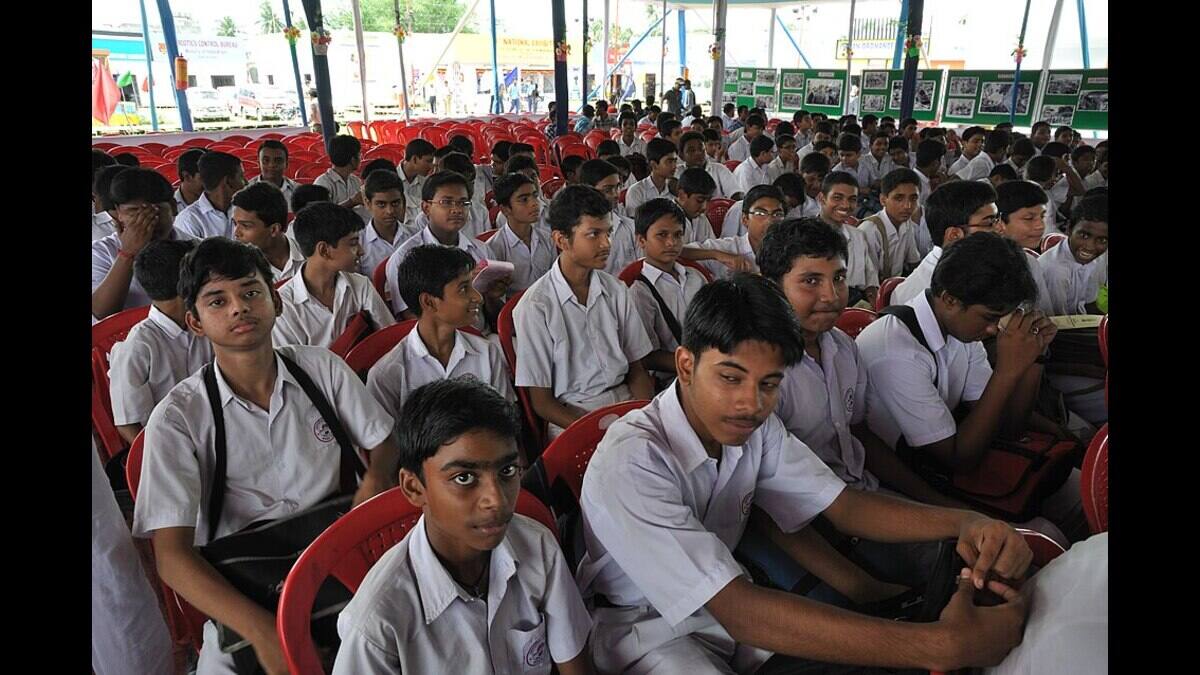
The West Bengal School Education Department has announced the formation of a new committee tasked with reviewing and updating the school curriculum, syllabus, and textbooks for students from Class 1 through Class 12. This move aims to align the state’s education system with the National Education Policy (NEP) 2020, as well as the National Curriculum Frameworks introduced in 2022 and 2023. The official notification was issued on July 24, 2026.
Why West Bengal Is Overhauling Its School Curriculum
The committee’s creation reflects a broader effort to modernize education in West Bengal by adopting national standards and frameworks designed to improve learning outcomes. The NEP 2020 emphasizes holistic, student-centered learning, moving away from rote memorization toward critical thinking and conceptual understanding. The National Curriculum Framework for Foundational Stage (NCF-FS) 2022 and the National Curriculum Framework for School Education (NCF-SE) 2023 provide updated guidelines for curriculum design and teaching practices across different grade levels.
By aligning with these frameworks, West Bengal aims to ensure its education system is up to date with contemporary pedagogical approaches and better prepares students for future challenges.
Key Responsibilities of the Curriculum Committee
The committee will undertake a comprehensive review of the existing school education system, focusing on several core areas:
- Evaluating and recommending updates to the curriculum, syllabus, and textbooks for primary, secondary, and higher secondary classes.
- Reviewing the state’s examination and assessment systems to promote understanding and analytical skills rather than rote learning.
- Suggesting improvements in teaching methods that encourage questioning, critical thinking, and interactive learning.
- Addressing the heavy reliance on private tuition by enhancing classroom teaching quality.
- Reviewing and proposing reforms for teacher training programs to support more effective and student-focused instruction.
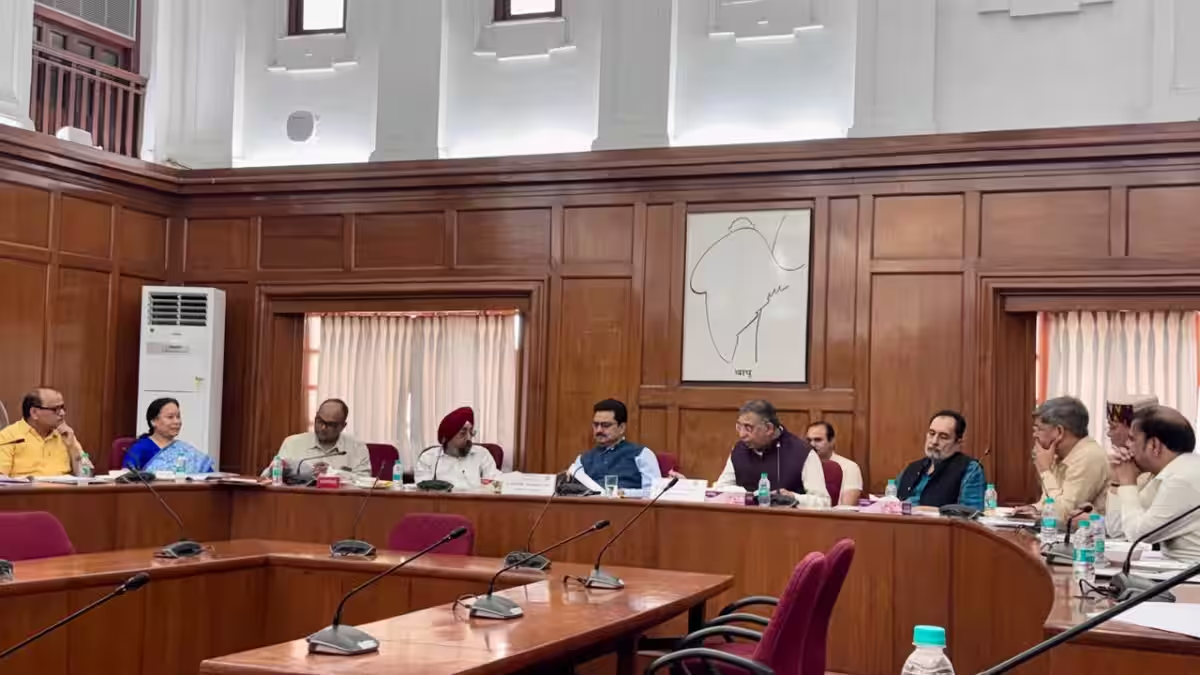
The committee is expected to operate from the West Bengal Board of Secondary Education office and will submit a preliminary report within two months of its first meeting. After gathering feedback from various stakeholders, a final report will be delivered within three additional months.
What This Curriculum Overhaul Means for West Bengal Students and Teachers
While no immediate changes will affect students, the committee’s work could lead to significant reforms in how education is delivered across the state. The focus on reducing dependence on private tuition suggests a push to improve the quality of teaching in government schools, making classroom learning more effective and engaging.
For teachers, the review of training programs and teaching methods may bring new professional development opportunities and instructional strategies aligned with modern educational standards. This could help educators foster deeper understanding and critical thinking skills among students.
Overall, the committee’s efforts aim to create a more balanced and forward-looking education system that supports students’ intellectual growth and prepares them for higher education and future careers.
Frequently Asked Questions
Q: When was the curriculum committee formed?
A: The committee was officially constituted on July 24, 2026, by the West Bengal School Education Department.
Q: Will students see immediate changes in their syllabus or exams?
A: No immediate changes are planned. The committee will first review the current system and submit recommendations before any new curriculum or exam reforms are introduced.
Q: How will the committee’s work be funded?
A: The activities of the committee will be financed through the Project Management Fund under the Samagra Shiksha Abhiyan (SSA), a government education initiative.