After last year’s up to 71% hike, Bengaluru Metro may raise fares by Rs 1 to Rs 5 from February 9 despite public backlash
Bengaluru Metro raised its fares starting in February 2025, with some adjustments made after public feedback. This change affected many commuters and is part of regular fare revisions based on government recommendations and the Metro's planning.
3 min read210 views
In February 2025, the Bengaluru Metro increased its fares. The fare hike was about 50 percent, meaning the highest fare was raised from sixty rupees to ninety rupees. The change was made official on February 9, 2025. This decision was based on advice from the Fare Fixation Committee, a group that recommends fare adjustments for public transportation.
The fares for shorter distances remained the same for the minimum fare, which is ten rupees for travel up to 2 kilometers. However, theMetro also increased the minimum balance needed on smart cards from fifty rupees to ninety rupees. Smart cards are commonly used by passengers to pay for their travel easily and quickly.
One new feature introduced with this fare increase was the concept of peak and non-peak hour pricing. During peak hours, which are the busiest times of the day, riders received a small discount of 5 percent. During non-peak hours, a larger discount of 10 percent was offered, which included an additional 5 percent discount besides the peak hour reduction.
The fare increase met with mixed reactions. Many public users expressed concern over the higher costs of traveling by Metro. In response to the public feedback, the Chief Minister of Karnataka directed the Bangalore Metro Rail Corporation Limited (BMRCL), the operator of Bengaluru Metro, to review the fare changes. The government wanted to ensure that the fare increases were reasonable and not too high for everyday commuters.
Following this review, BMRCL made some adjustments. As a result, the maximum fare increase was limited to about 71 percent. This means that the fare hike was reduced from its original level, making travel somewhat more affordable for passengers.
Currently, there has been no official announcement or confirmation about any further fare hikes after February 2025 or whether the fares will increase again in upcoming months or years.
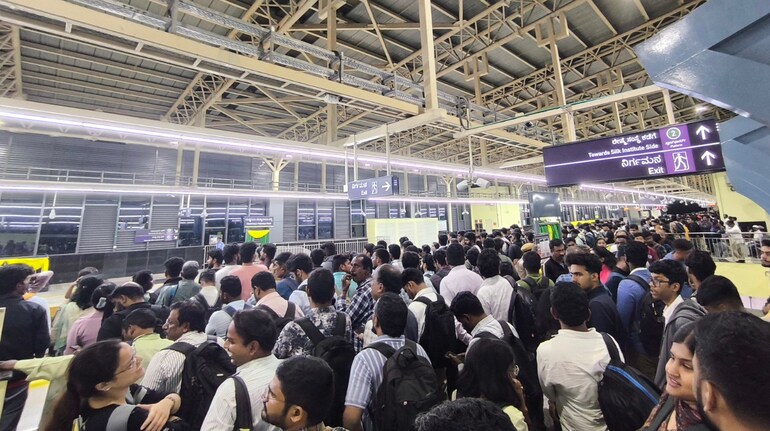
This series of fare changes is important because it impacts a large number of daily commuters in Bengaluru. Public transportation fares often reflect broader economic conditions, transportation costs, and government policies. When fares go up, it can influence how many people choose to travel by Metro, affecting overall traffic flow and public transport usage.
The decision to increase fares and then review them demonstrates the government and BMRCL’s effort to balance financial sustainability with public acceptance. It shows an ongoing process of adjusting transportation costs to meet operational needs while considering the needs of passengers. Overall, fare revision is a common part of managing public transit systems, but it must be handled carefully to avoid inconvenience or hardship for daily travelers.