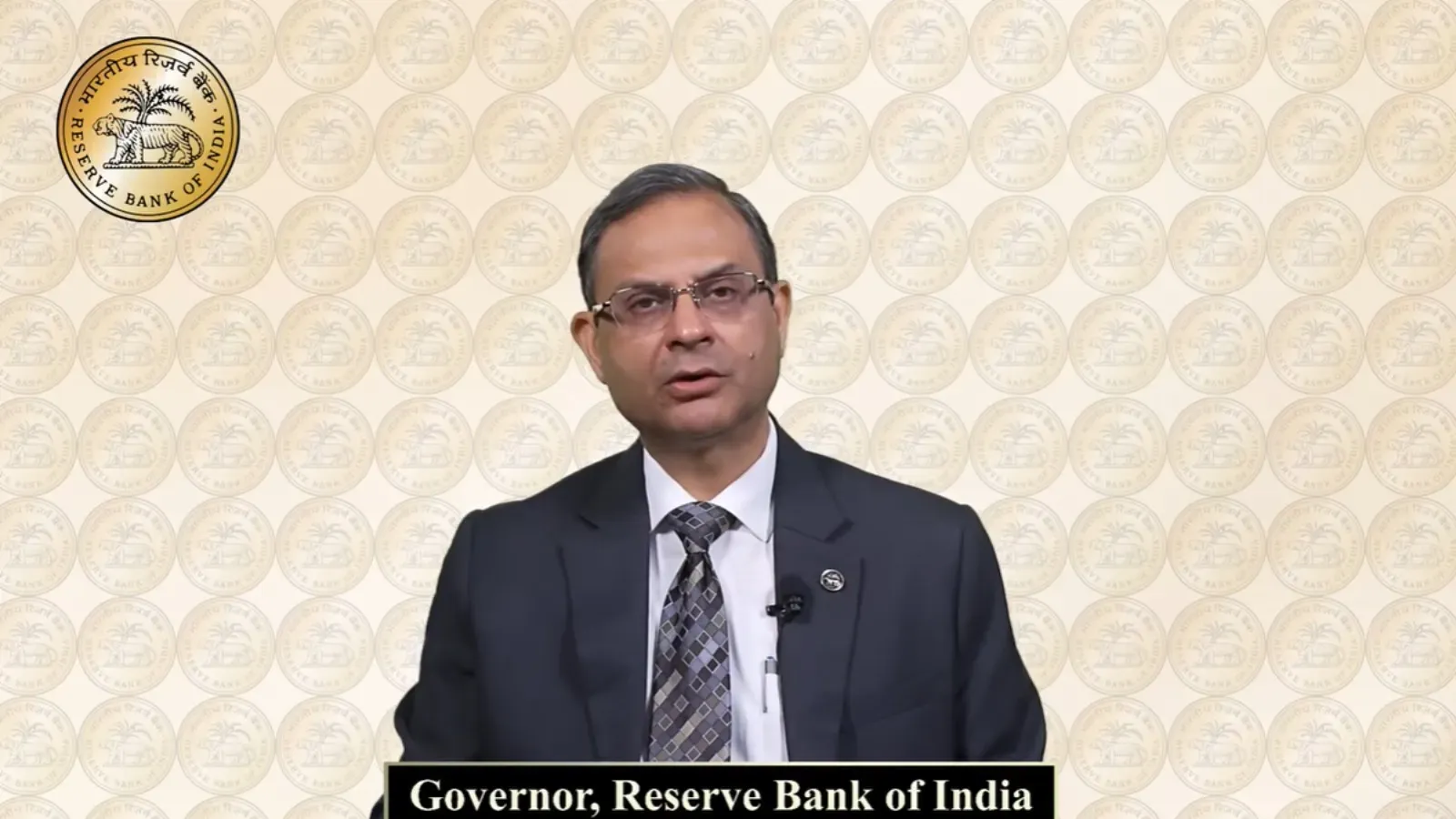
The Reserve Bank of India (RBI) increased the repo rate by 25 basis points to 5.50% on October 7, 2026. This is the first hike in nearly four years, signaling a shift in the interest rate cycle. The move aims to address rising inflation and global financial pressures. But what does this mean for fixed deposit (FD) investors and borrowers?
- FD rates may not rise immediately or by the same amount as the repo rate hike.
- Existing FD interest rates remain unchanged until maturity.
- Borrowers with floating-rate loans linked to the repo rate may face higher EMIs or longer repayment periods.
- New fixed-income investments might offer better yields, but bond prices could fall.
- Investors should compare FD rates, tenures, and withdrawal terms before investing.
Why Did RBI Hike the Repo Rate Now?
The RBI's Monetary Policy Committee unanimously decided to raise the repo rate from 5.25% to 5.50%. This decision comes amid rising inflation, which reached 4.82% in August—above the RBI's 4% target. Higher crude oil prices and tighter global financial conditions have also pressured the Indian economy, prompting the rate hike to control inflation and stabilize the currency.
Will Fixed Deposit Rates Increase Immediately?
Not necessarily. Banks set their FD interest rates based on their liquidity, funding needs, and competition. A 25-basis-point increase in the repo rate does not guarantee an equal rise in FD rates. Some banks may raise rates quickly, while others may delay or increase rates by less than 0.25%.
For investors with existing FDs, the interest rate remains fixed until maturity. The benefit of higher rates applies mainly when opening new FDs or renewing deposits.
How Should FD Investors Respond?
Investors should compare the updated FD rates offered by different banks before investing or renewing. They should also consider the tenure, premature withdrawal rules, and their liquidity needs. Choosing the longest tenure is not always best if it limits access to funds.
What Does the Rate Hike Mean for Borrowers?
Borrowers with floating-rate loans linked to external benchmarks that respond to the repo rate may see higher borrowing costs. This could mean increased monthly payments (EMIs), longer loan terms, or both. The immediate impact of a 25-basis-point hike might be small, but further hikes could increase costs significantly.
Borrowers should review their loan agreements to understand how rate changes affect their repayments and how quickly banks pass on these changes.
How Are Fixed-Income Investments Affected?
Higher interest rates can benefit investors putting new money into fixed-income products by offering better yields. However, the prices of existing bonds may fall as yields rise, which can affect current bondholders.
Conservative investors should consider factors like investment horizon, credit quality, duration, and liquidity needs rather than focusing solely on yield percentages.
What Are the Broader Economic Factors Behind This Decision?
The RBI's rate hike responds to inflation risks driven by rising energy prices, which increase transportation and production costs. Additionally, global financial tightening and higher bond yields challenge emerging markets, including India. The policy aims to balance controlling inflation without harming growth.
In summary, the RBI's repo rate hike marks a significant policy change after nearly four years. Fixed deposit investors should carefully evaluate their options, borrowers should understand their loan terms, and fixed-income investors should assess market conditions before making decisions.