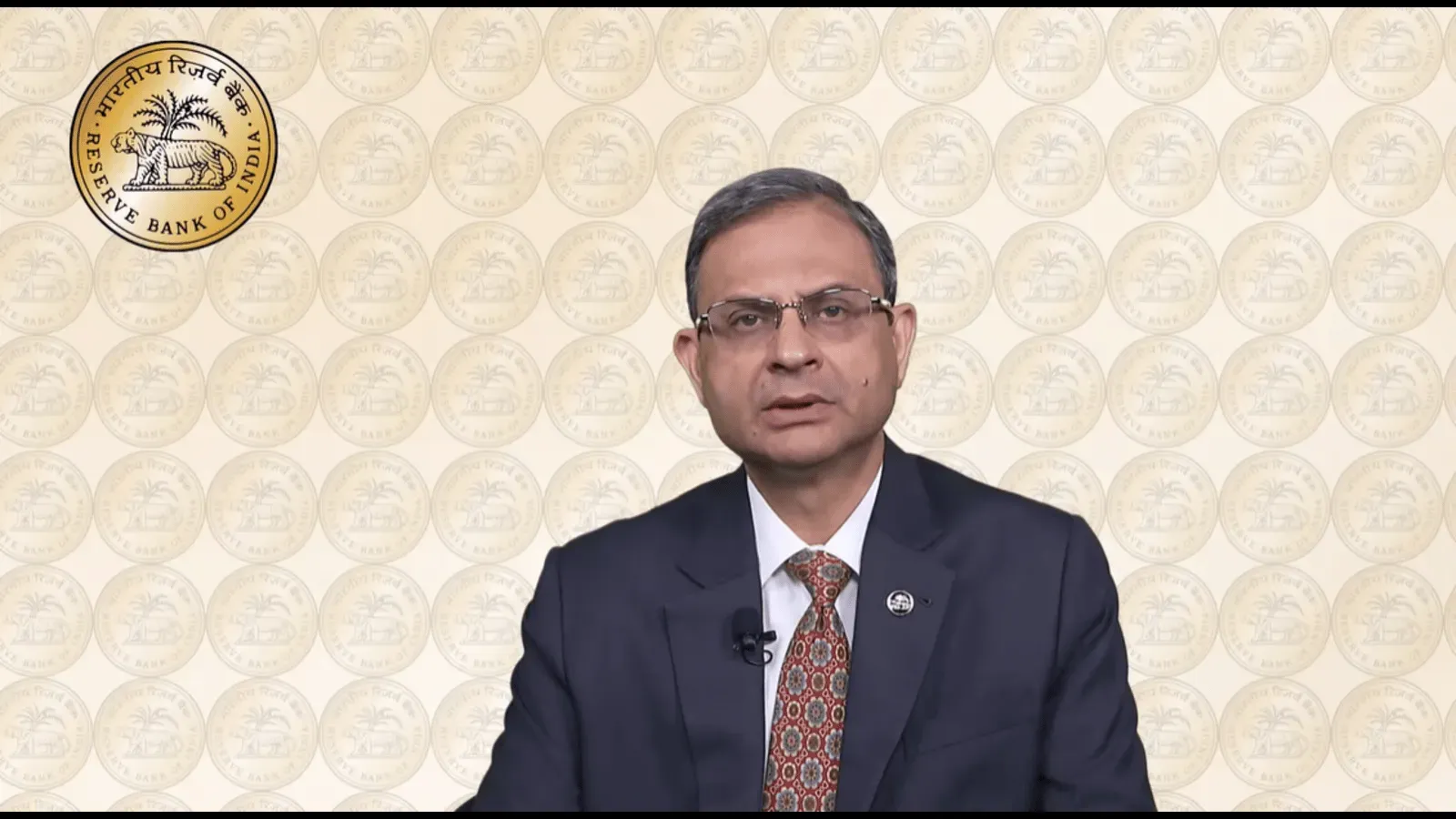
The Reserve Bank of India (RBI) raised the repo rate by 25 basis points to 5.5% on October 7, 2026. This decision, made by the six-member Monetary Policy Committee led by Governor Sanjay Malhotra, marks the first rate hike since February 2023. The move aims to manage inflation and support economic stability. Following the announcement, rate-sensitive sectors such as auto and real estate experienced declines, while banking stocks gained momentum.
- The repo rate was increased by 25 basis points to 5.5%.
- Auto and real estate stocks fell after the rate hike.
- Banking stocks, including PSU and private banks, showed gains.
- Governor Malhotra revised India's GDP growth forecast to 7.1%.
What is the repo rate and why does RBI hike it?
The repo rate is the interest rate at which the RBI lends money to commercial banks. When the RBI hikes the repo rate, borrowing costs for banks increase. This generally leads to higher interest rates for loans and mortgages for consumers and businesses. The RBI raises the repo rate to control inflation and prevent the economy from overheating.
How did the rate hike affect auto and real estate stocks?
Auto and real estate sectors are sensitive to interest rate changes because they rely heavily on loans and financing. After the RBI's announcement, the NIFTY Auto index dropped by 1.2%, reaching an intraday low of 25,213.20. Out of 15 stocks in the index, 14 traded lower. Similarly, real estate stocks also declined as higher borrowing costs can reduce demand for homes and vehicles.
Why did banking stocks rise after the rate hike?
Banking stocks often benefit from a repo rate increase because banks can charge higher interest rates on loans, which can improve their profit margins. Following the rate hike, the NIFTY Bank index, which includes 14 stocks, rose. The NIFTY PSU Bank index increased by 0.81%, and the NIFTY Private Bank index also showed gains. This positive response reflects investor confidence in banks' ability to capitalize on higher rates.
What is the RBI's outlook on the Indian economy?
Governor Sanjay Malhotra stated that the Indian economy remains strong with broad-based momentum in economic activity. Despite the rate hike, the RBI expects the economy to stay resilient. The Monetary Policy Committee revised the real gross domestic product (GDP) growth forecast to 7.1%, indicating optimism about future growth prospects.
What does this mean for consumers and investors?
For consumers, the rate hike may lead to higher loan and mortgage rates, making borrowing more expensive. This could reduce spending on big-ticket items like cars and homes. For investors, sectors like banking may offer better returns due to improved profitability, while auto and real estate stocks may face challenges in the short term.
Frequently Asked Questions
Q: What is the repo rate?
A: The repo rate is the interest rate at which the RBI lends money to commercial banks. It influences borrowing costs across the economy.
Q: Why does the RBI increase the repo rate?
A: The RBI raises the repo rate to control inflation and ensure economic stability by making borrowing more expensive.
Q: How do rate hikes affect the stock market?
A: Rate hikes can lead to declines in rate-sensitive sectors like auto and real estate, while banking stocks may benefit from higher interest margins.
Q: What is the current repo rate after the hike?
A: The repo rate is now 5.5% after the 25 basis points increase.