The Reserve Bank of India (RBI) has raised its forecast for the country's economic growth in the fiscal year 2026-27 to 7.1%. It also expects inflation to reach 5.2% during this period. This update reflects the RBI's assessment of a resilient economy amid global uncertainties and domestic price pressures.
- The RBI projects GDP growth of 7.2% in Q2, 6.9% in Q3, and 6.8% in Q4 of FY27.
- Inflation is expected to be 4.9% in Q2, 6% in Q3, and 5.7% in Q4.
- The benchmark repo rate has been increased by 25 basis points to 5.5%.
- Economic growth in Q1 was strong at 7.8%, driven by private consumption and investment.
- Inflation pressures are broadening, especially in food and fuel prices.
What factors contributed to the RBI raising the GDP forecast?
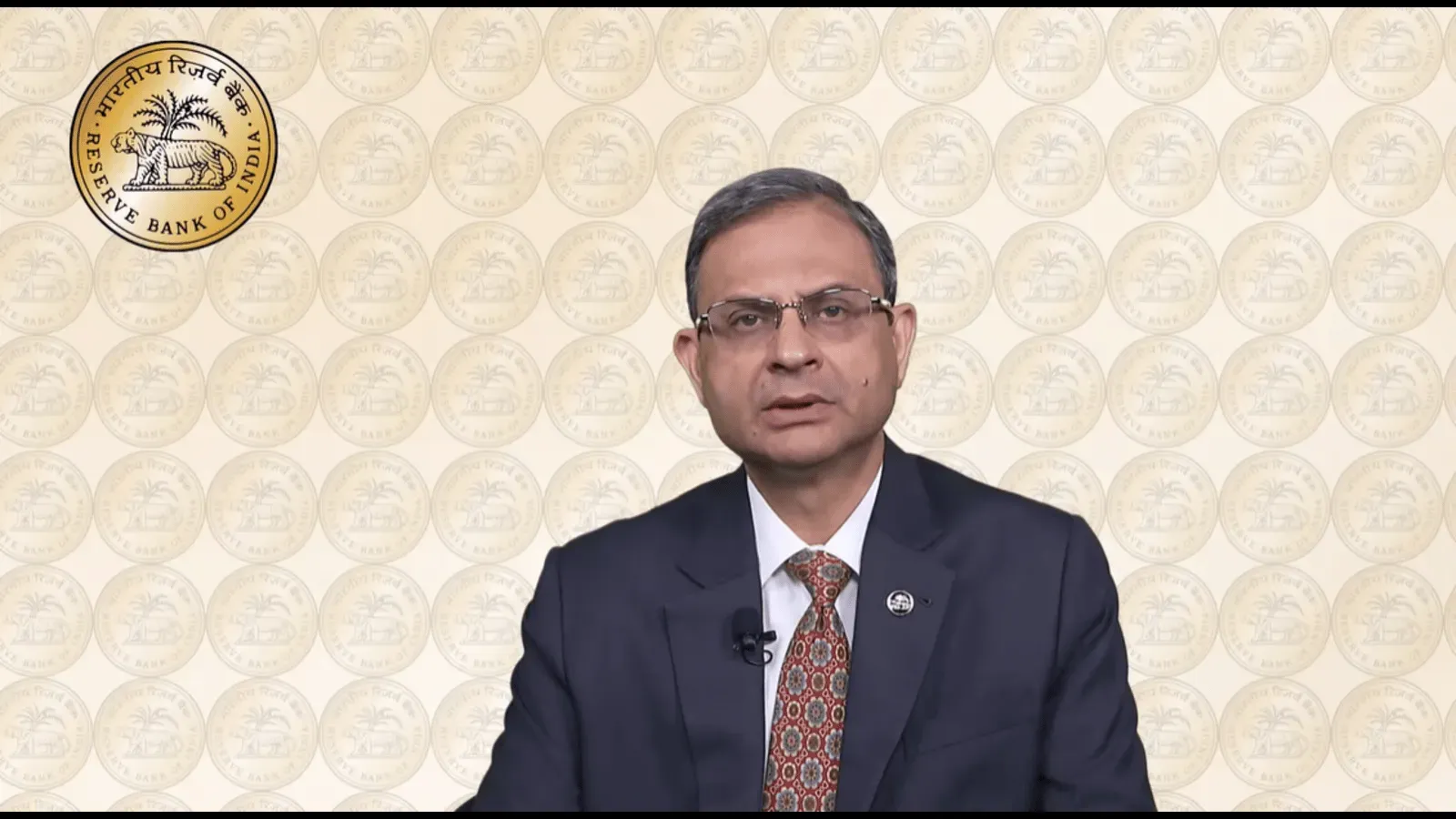
RBI Governor Sanjay Malhotra explained that domestic economic activity remained strong despite global challenges. The first quarter of FY27 saw a 7.8% growth in real GDP, supported by resilient private consumption and a nearly 12% increase in investment activity. Additionally, net exports contributed positively to growth. High-frequency economic indicators suggest that momentum continues into the second quarter, although with some moderation compared to the first quarter.
How does the RBI expect inflation to behave in FY27?
The RBI projects inflation, measured by the Consumer Price Index (CPI), to rise to 5.2% for the fiscal year. Inflation increased from 4.5% in July to 4.8% in August, mainly due to higher food and fuel prices. Food inflation has become more widespread, with significant price increases in items like sugar and onions. Core inflation, which excludes volatile items, also rose to 4.2% in August from 3.9% in previous months. The RBI anticipates continued supply-side pressures on inflation in the near term.
What changes did the RBI make to its monetary policy stance?
The Monetary Policy Committee (MPC) unanimously decided to raise the benchmark repo rate by 25 basis points, bringing it to 5.5%. This is the first rate hike since February 2023. The RBI shifted its policy stance from neutral to "calibrated tightening," signaling that rate cuts are unlikely in the near future. Any further rate increases will be gradual and selective, aiming to balance growth and inflation risks.
What are the quarterly GDP and inflation projections for FY27?
| Quarter | GDP Growth (%) | Inflation (CPI %) |
|---|---|---|
| Q2 FY27 | 7.2 | 4.9 |
| Q3 FY27 | 6.9 | 6.0 |
| Q4 FY27 | 6.8 | 5.7 |
| Q1 FY28 (Projection) | 7.1 | 5.6 |
Frequently Asked Questions
Q: What does the repo rate increase mean for borrowers?
A: The repo rate is the rate at which the RBI lends money to banks. An increase to 5.5% means borrowing costs for banks rise, which can lead to higher interest rates for loans to consumers and businesses.
Q: Why is inflation expected to rise despite strong economic growth?
A: Inflation is influenced by supply-side factors such as food and fuel prices. Even with strong growth, disruptions in supply chains or commodity markets can push prices higher.
Q: What does "calibrated tightening" mean in monetary policy?
A: It means the RBI plans to increase interest rates gradually and selectively to control inflation without harming economic growth.