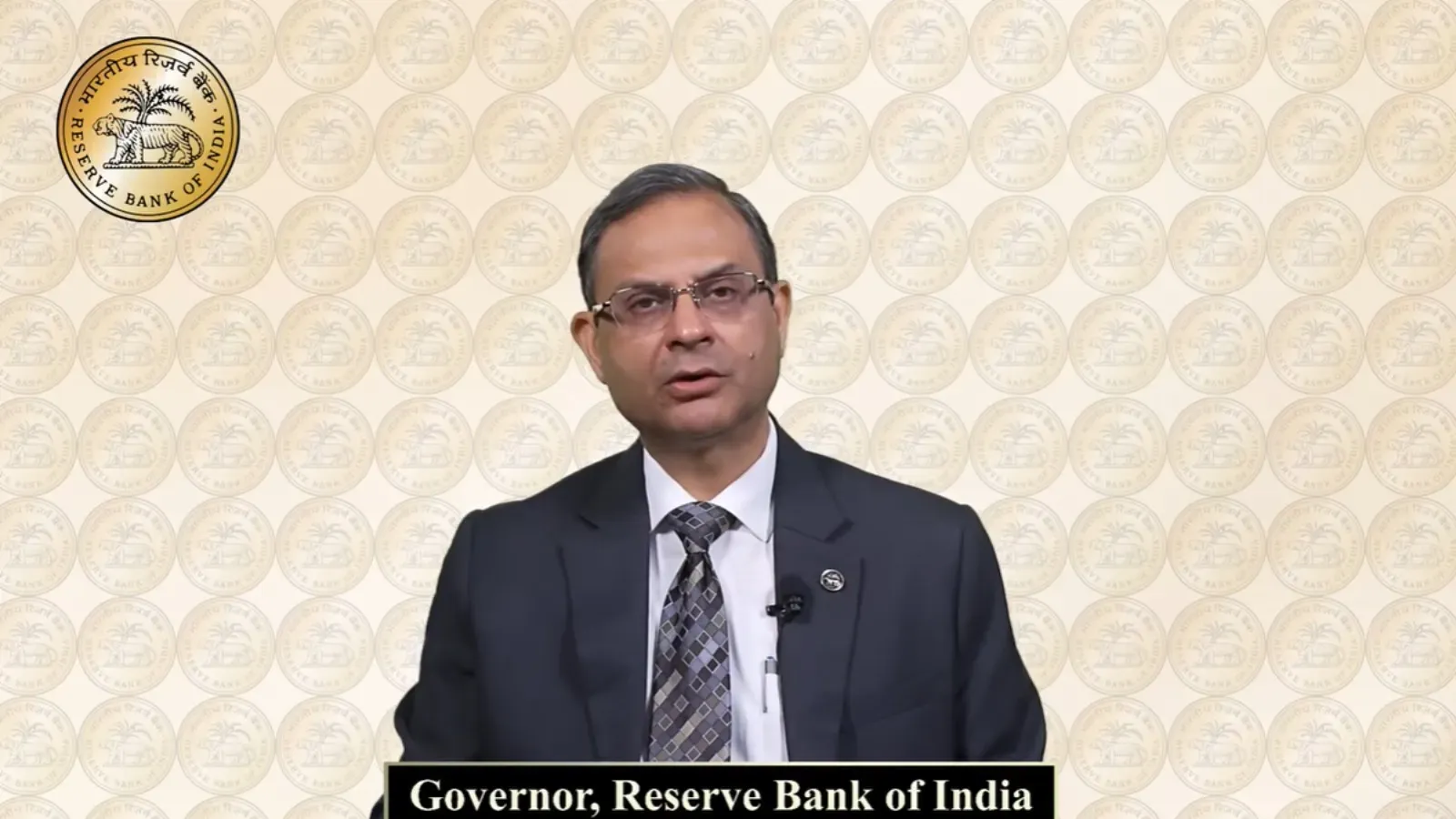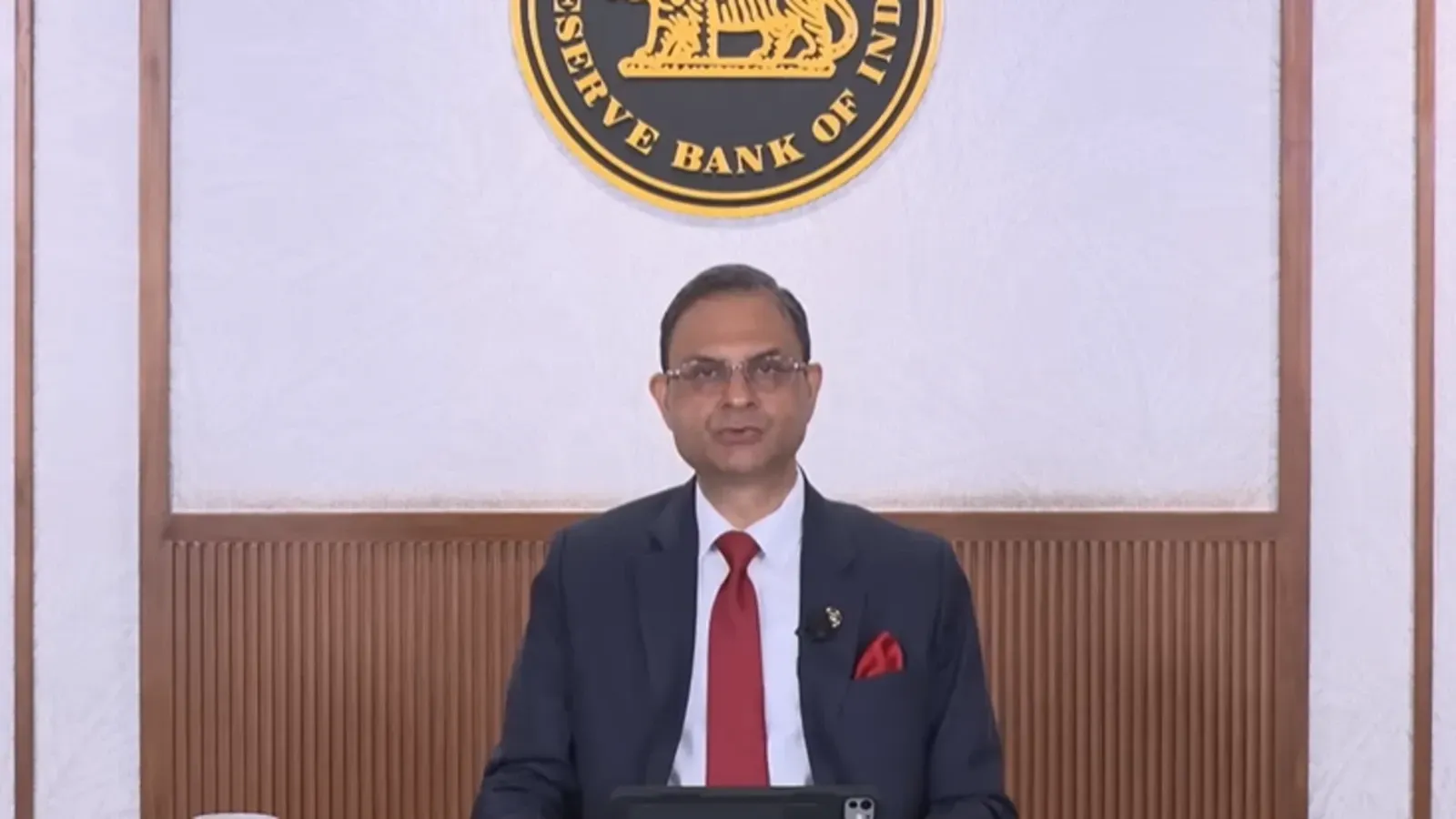
The Indian rupee has weakened against the US dollar, reaching 97.15 during trading on October 7, 2026. RBI Governor Sanjay Malhotra acknowledged that the rupee may be undervalued according to various estimates. He assured that the Reserve Bank of India (RBI) will work to stabilize the rupee and support it in finding its correct value while preventing excessive volatility.
- The rupee hit its lowest level since May 20, 2026, amid global uncertainties and high demand for the US dollar.
- The RBI introduced a concessional swap facility for diaspora deposits and bond issuances to support the currency.
- Crude oil price spikes due to the West Asia conflict have put pressure on the rupee.
- Governor Malhotra emphasized orderly movement of the rupee to avoid excessive fluctuations.
- Deputy Governor Poonam Gupta previously suggested the rupee could stabilize and appreciate.
Why is the Indian rupee weakening against the US dollar?
The rupee has been under pressure for much of 2026, especially since the West Asia conflict began in late February. This conflict caused crude oil prices to rise sharply. Since India imports a significant amount of oil, higher crude prices increase the country’s import bill, putting downward pressure on the rupee.
Additionally, global market uncertainty has increased demand for the US dollar, which is considered a safe-haven currency. This elevated demand for the dollar has contributed to the rupee's depreciation.
What steps has the RBI taken to support the rupee?
To counter the fall in the rupee, the RBI introduced a concessional swap facility aimed at encouraging diaspora deposits and bond issuances. This facility has helped banks mobilize nearly $133 billion under the FCNR(B) deposits scheme, temporarily easing pressure on the currency.
Governor Malhotra highlighted that the RBI will ensure the rupee stabilizes and finds its correct value. The central bank will support an orderly movement of the currency, avoiding excessive volatility that could harm the economy.
Is the rupee undervalued or overvalued?
According to Governor Malhotra and several estimates, including the Real Effective Exchange Rate (REER), the rupee is not overvalued. In fact, it may be undervalued. This suggests that the rupee’s current exchange rate is lower than its fundamental value, which could mean it has room to appreciate.
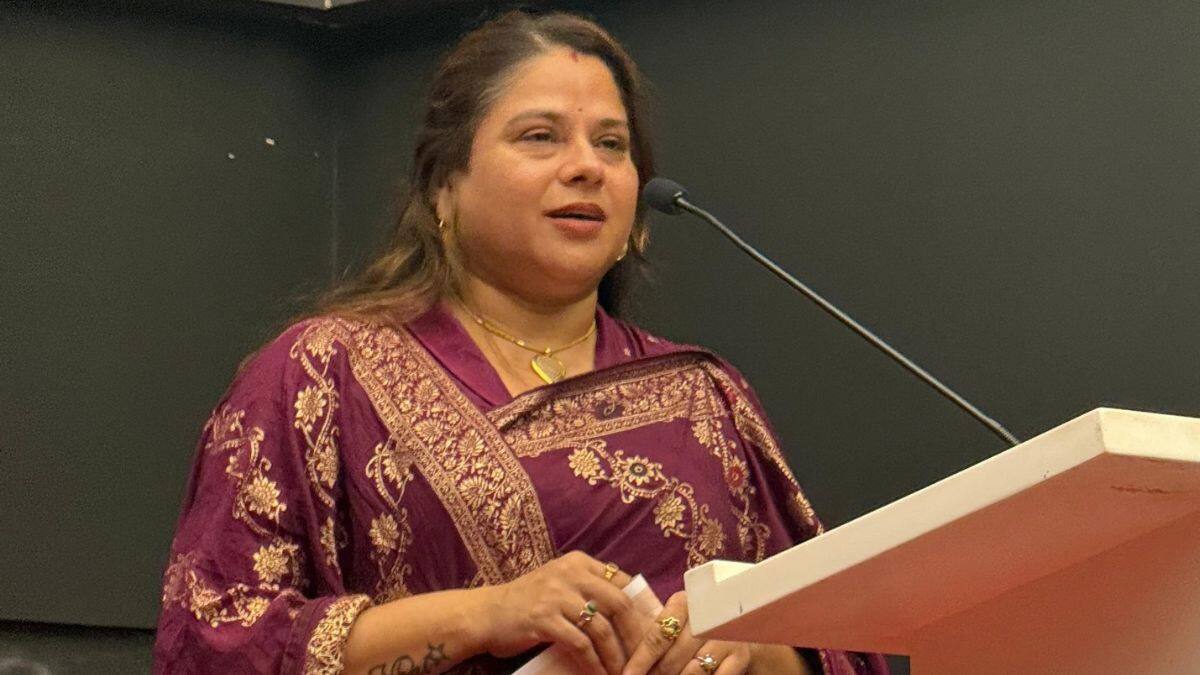
Deputy Governor Poonam Gupta also expressed a similar view in late September, stating that there is a case for the rupee to stabilize and appreciate going forward.
What does this mean for the Indian economy?
A stable and correctly valued rupee is important for India’s economic health. It helps keep inflation in check, especially since India imports many goods like crude oil. Excessive volatility in the currency can create uncertainty for businesses and investors.
The RBI’s efforts to manage the rupee’s value aim to balance these factors, supporting economic growth while protecting the currency from sharp swings.
Frequently Asked Questions
Q: What caused the recent weakening of the rupee?
A: The rupee weakened due to higher crude oil prices from the West Asia conflict and increased global demand for the US dollar amid market uncertainty.
Q: How is the RBI helping to stabilize the rupee?
A: The RBI introduced a concessional swap facility for diaspora deposits and bond issuances and is supporting orderly currency movements to reduce volatility.
Q: Is the rupee expected to appreciate soon?
A: Experts, including RBI officials, suggest that the rupee may be undervalued and could stabilize or appreciate in the near future.
Q: Why is a stable rupee important for India?
A: Stability helps control inflation, supports business confidence, and reduces uncertainty in the economy.