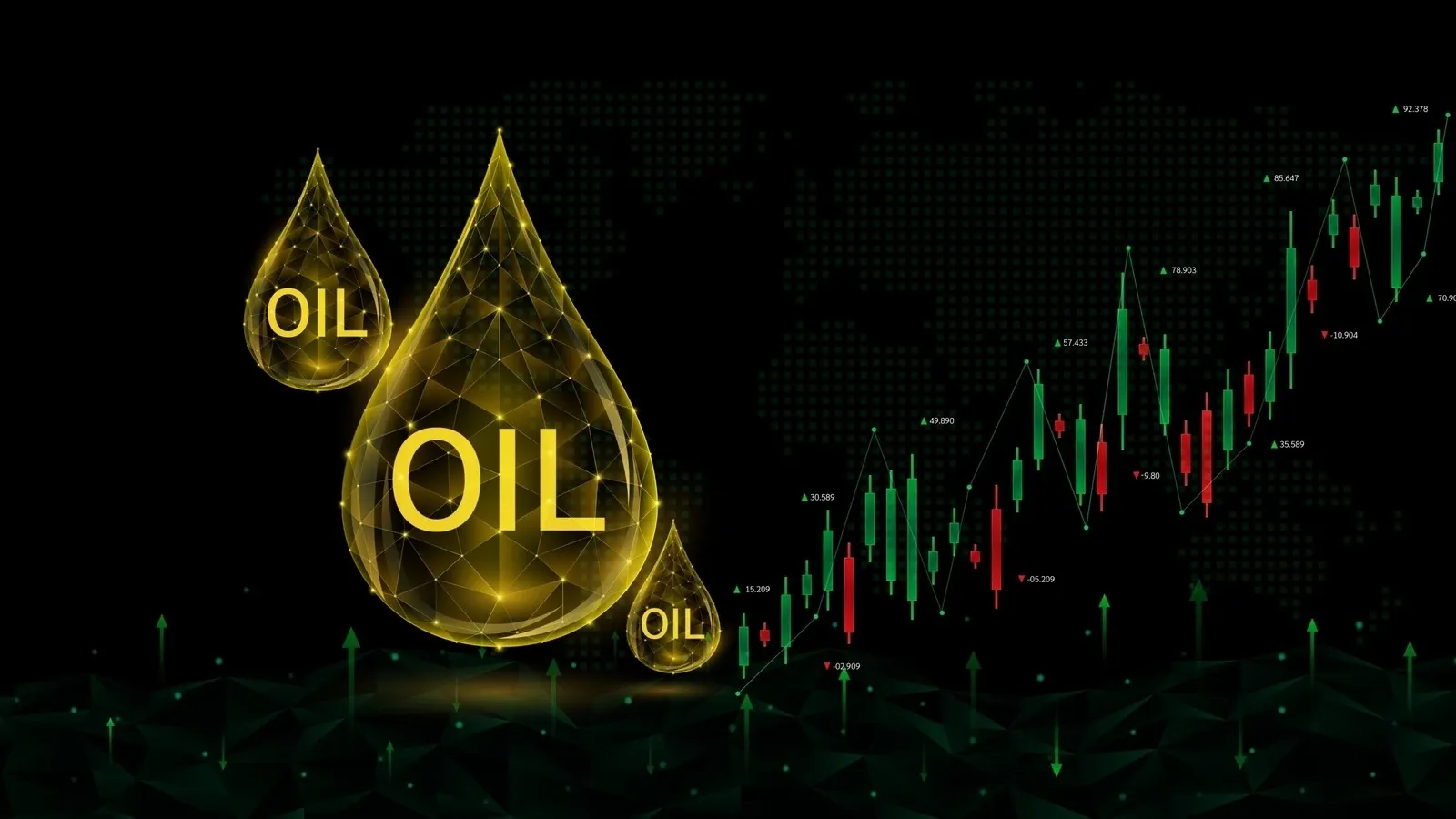
Oil-sensitive stocks in India fell on October 28, 2026, as global crude oil prices surged past $116 per barrel. This price jump raised concerns among investors about potential supply disruptions and the impact on companies that rely heavily on oil as a raw material. The Nifty Oil & Gas index dropped 2.2%, signaling a negative market reaction to the rising crude prices and geopolitical tensions in West Asia.
- Crude oil prices rose over 2% to reach $116.06 per barrel.
- The Nifty Oil & Gas index fell 2.2% to an intraday low of 10,301.15 points.
- Oil-sensitive stocks like BPCL, Indian Oil, and HPCL declined significantly.
- Geopolitical tensions in West Asia and US midterm elections contributed to market uncertainty.
- Higher crude prices increase costs and reduce profit margins for oil-dependent companies.
Why Did Oil-Sensitive Stocks Decline on October 28, 2026?
Oil-sensitive stocks declined primarily because global crude oil prices jumped above $116 per barrel. This increase was driven by fears of escalating military tensions in West Asia following the upcoming US midterm elections. The United States reportedly warned West Asian countries to prepare for possible military escalations, which could disrupt oil supply routes, especially through the Strait of Hormuz.
As a result, investors became cautious, leading to selling pressure on stocks that are sensitive to oil price changes. Companies like Hindustan Petroleum (HPCL), Bharat Petroleum (BPCL), and Indian Oil Corporation (IOC) saw their stock prices fall due to concerns about rising costs and shrinking profit margins.
How Did the Nifty Oil & Gas Index Perform?
The Nifty Oil & Gas index lost 2.2% of its value on October 28, falling to an intraday low of 10,301.15 points. This decline reflected the overall negative sentiment in the sector as investors reacted to the rising crude prices and geopolitical risks. By 12:43 pm IST, the index was still down 1.8%, trading around 10,341 points.
What Are the Causes of Rising Crude Oil Prices?
Brent crude oil prices increased by about 2% on October 28, reaching $116.06 per barrel. The rise was influenced by reports of potential military actions in West Asia, particularly involving the United States and Israel preparing for strikes on Iran after the US midterm elections. These developments heightened fears of supply chain disruptions in a region critical to global oil exports.
Over the past five days, Brent crude prices rose 6.5%, and they have increased over 16% in the last month. In the last three months, energy prices surged by 37%, and they are up 11% over six months, showing a strong upward trend.
How Do Rising Oil Prices Affect Indian Companies?
Higher crude oil prices increase the cost of raw materials for companies that depend on oil, such as oil marketing companies, paint manufacturers, and tyre producers. This increase squeezes their profit margins because they face higher input costs while selling their products at market prices.
For example, companies like HPCL, BPCL, Indian Oil, Aegis Logistics, Chennai Petroleum, ONGC, and Petronet LNG experienced stock price declines due to concerns about reduced profitability amid rising energy costs.
What Is the Geopolitical Context Behind These Market Movements?
Reports indicate that the United States and Israel may conduct military strikes on Iran after the US midterm elections to pressure Iran into negotiating a peace deal. This potential escalation risks a major conflict in West Asia, a region vital for global oil supply.
US President Donald Trump mentioned a possible heavy bombing campaign on Iran, although the White House has not confirmed any specific military plans. These developments contribute to uncertainty in global energy markets and affect investor confidence.
Frequently Asked Questions
Q: Why do rising crude oil prices affect oil-sensitive stocks?
A: Rising crude oil prices increase the cost of raw materials for companies that rely on oil, reducing their profit margins and causing their stock prices to fall.
Q: What caused crude oil prices to rise above $116 per barrel?
A: The rise was driven by fears of military escalations in West Asia, particularly potential US and Israeli strikes on Iran after the US midterm elections.
Q: How did the Nifty Oil & Gas index respond to the crude price increase?
A: The index fell by 2.2% on October 28, 2026, reflecting investor concerns about the impact of higher oil prices and geopolitical risks.
Q: Which companies were most affected by the oil price increase?
A: Oil marketing companies like BPCL, Indian Oil, HPCL, and related sectors such as paints and tyres were most affected due to their dependence on oil as a raw material.